аВТОМАТИЧЕСКАЯ МАШИНА ДЛЯ НАМОТКИ
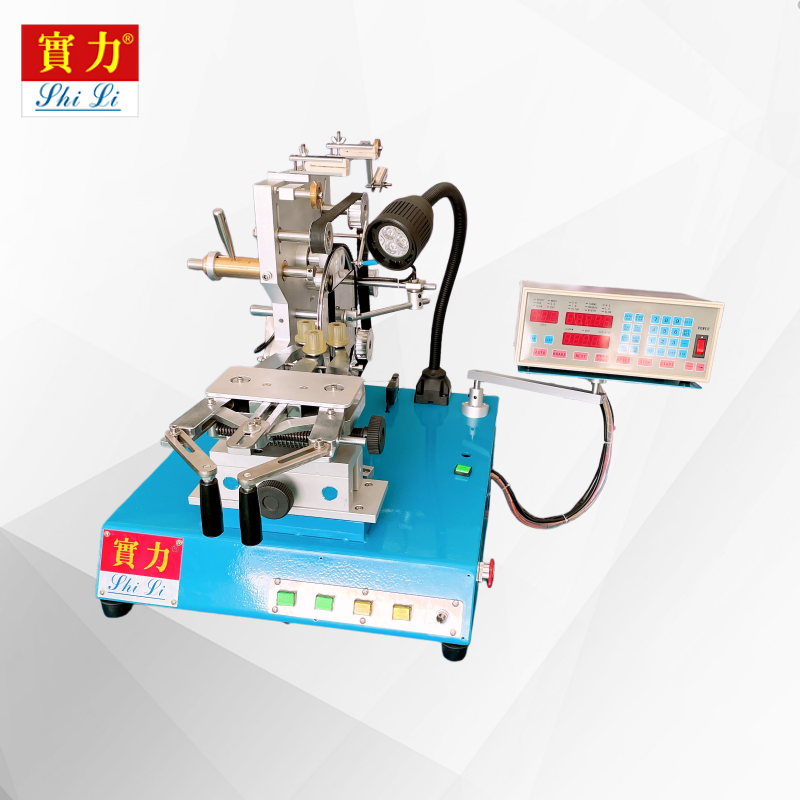
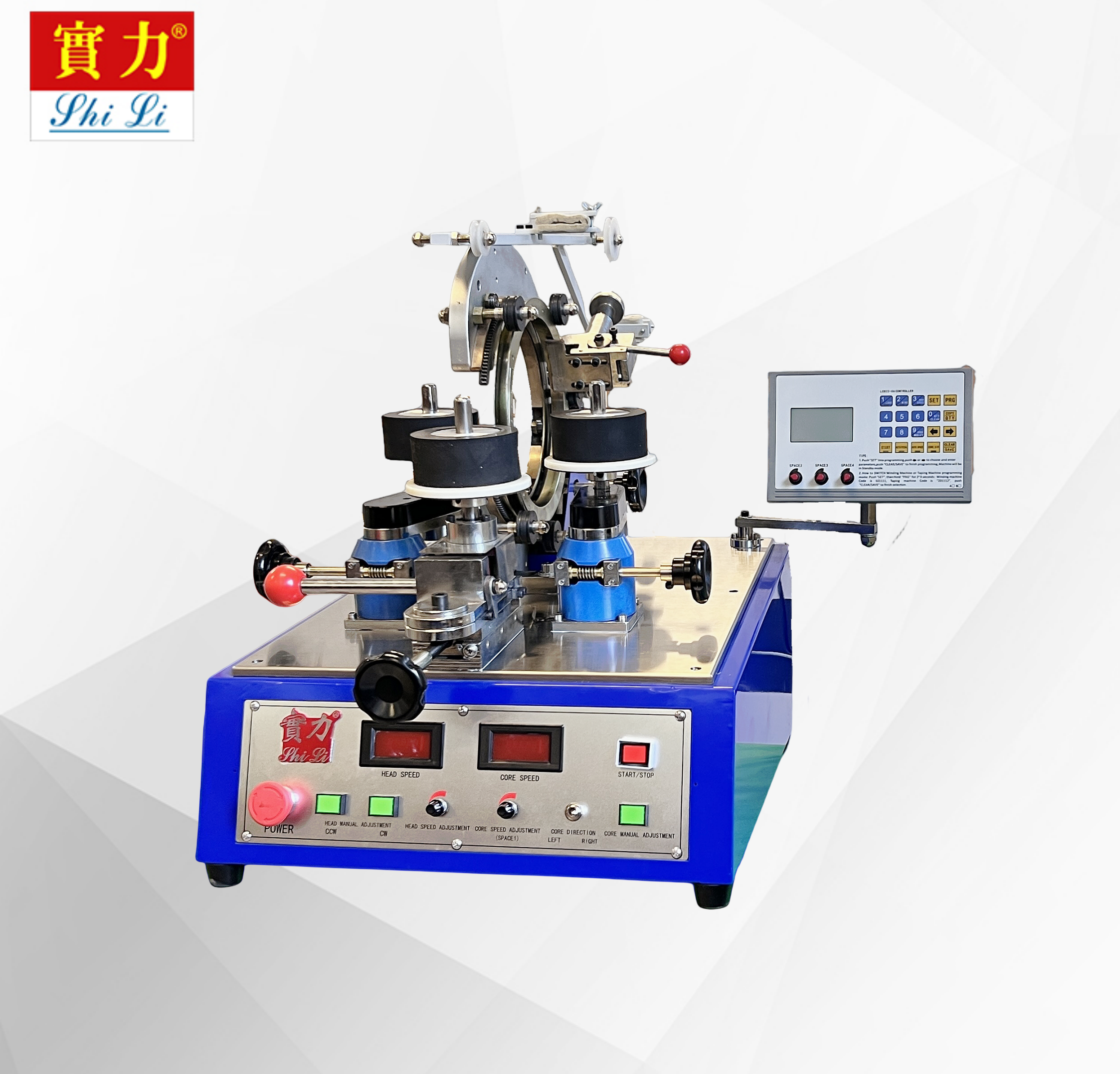
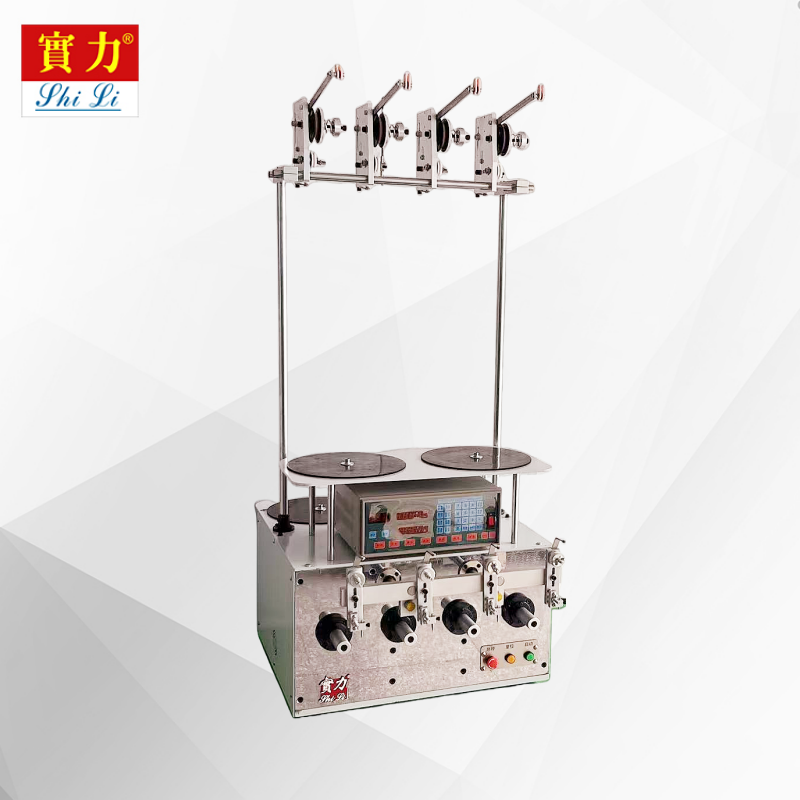
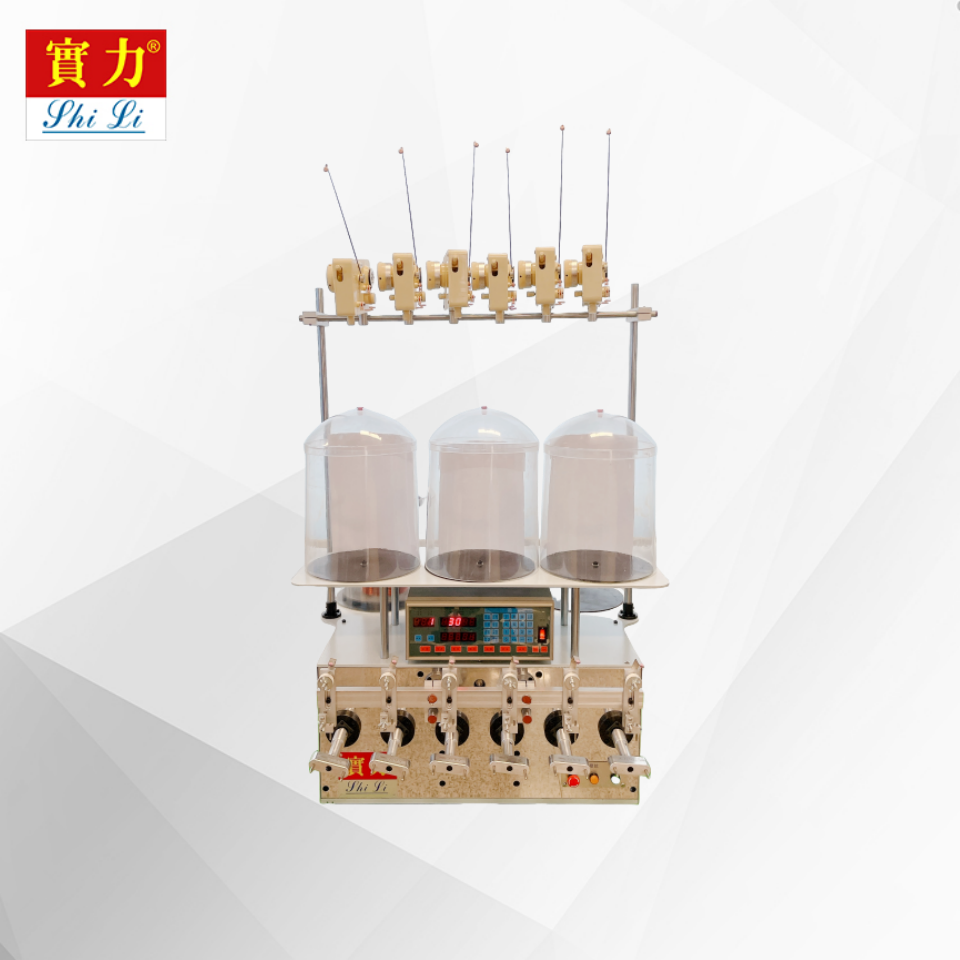
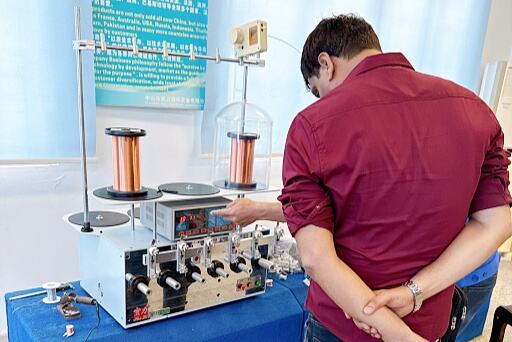
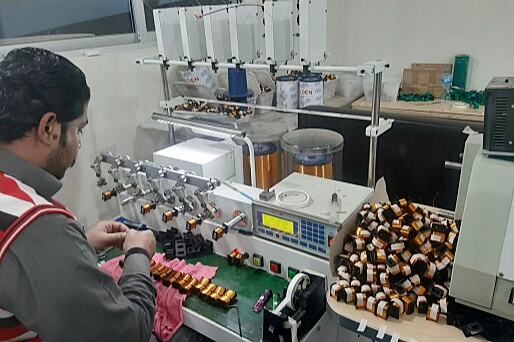
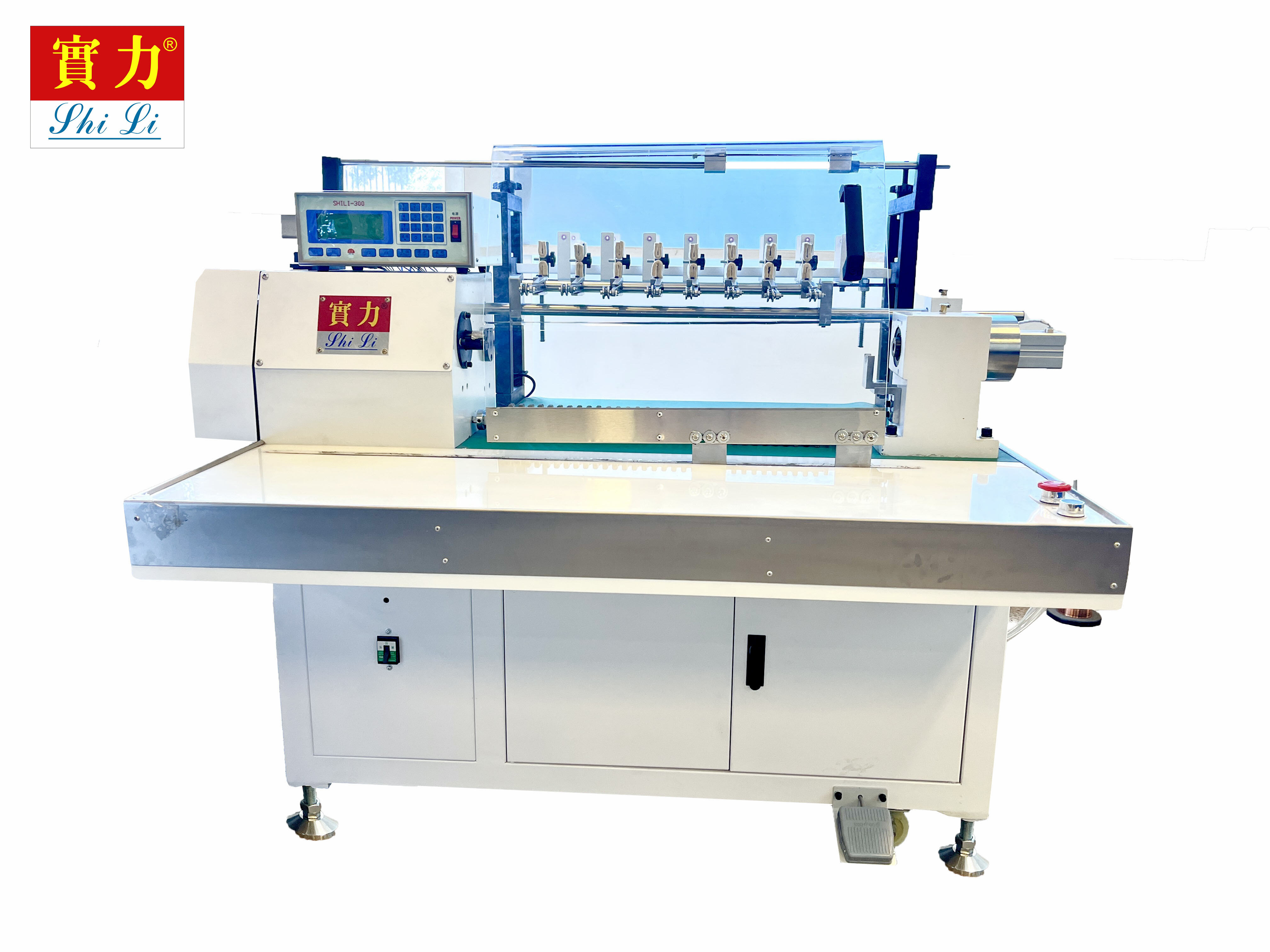
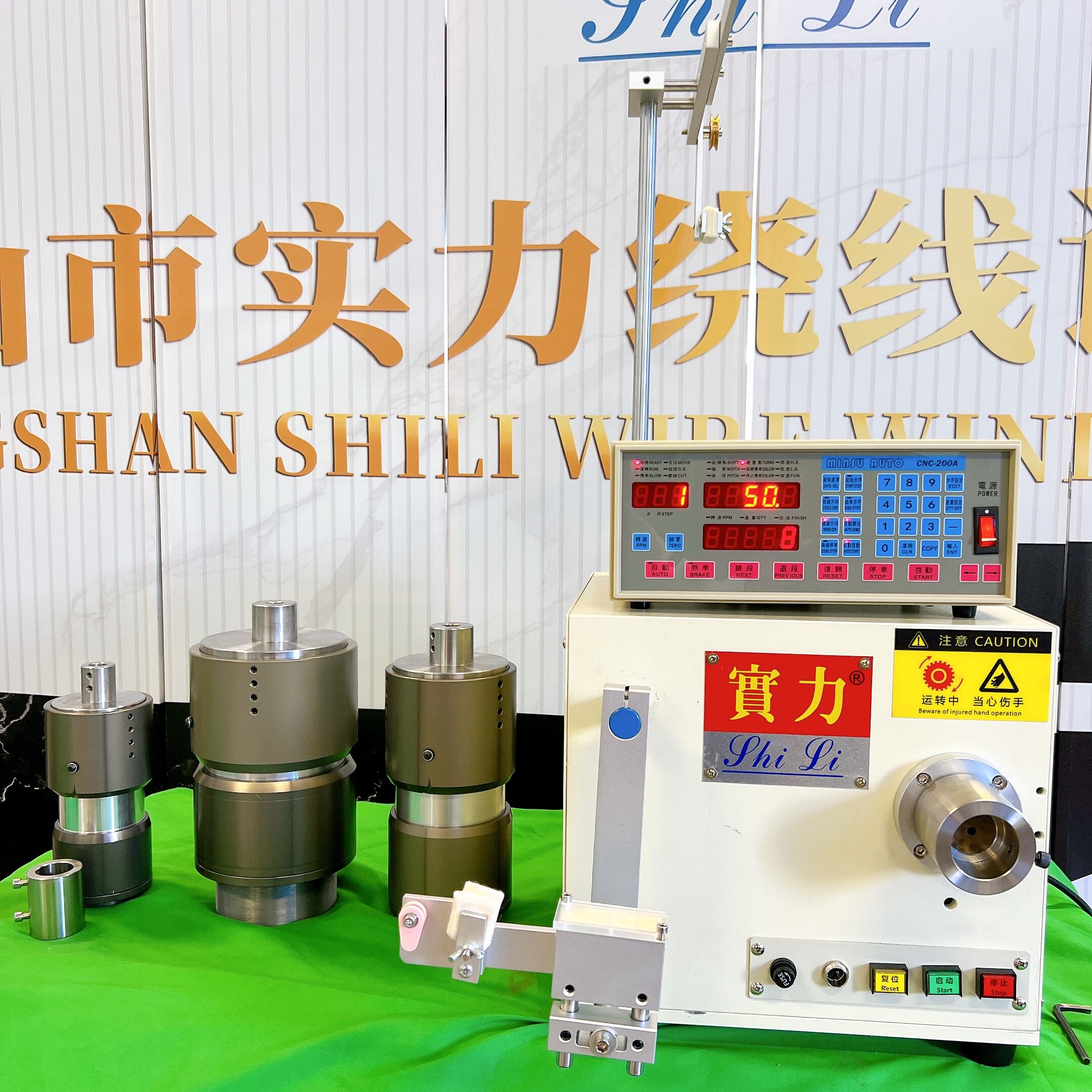
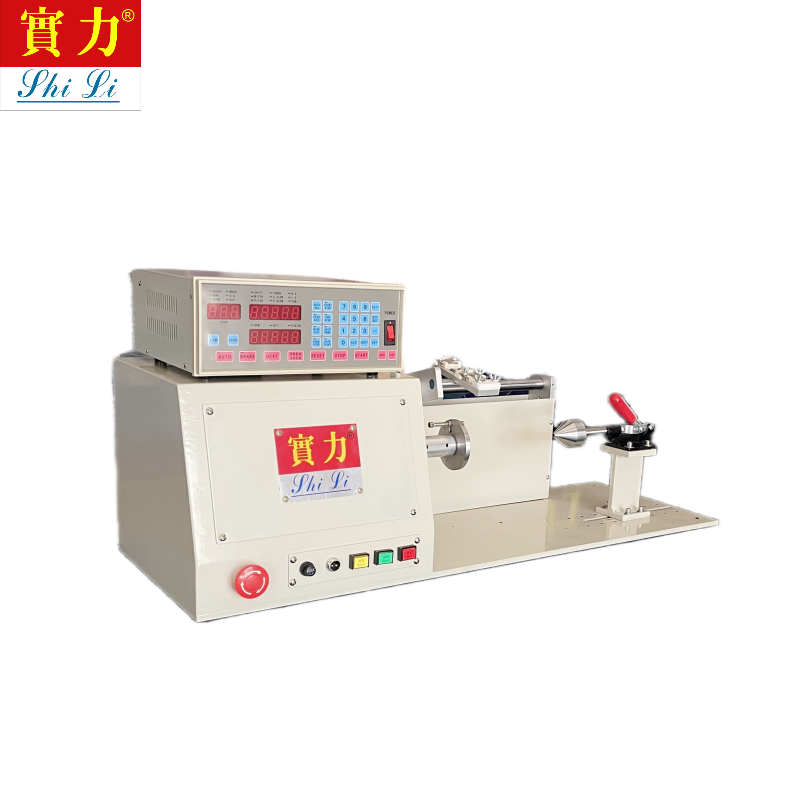
Автоматическая намоточная машина представляет собой революционный прорыв в технологии производства, разработанную для упрощения и оптимизации процесса намотки различных материалов на катушки, шпульки или другие основы. Это сложное оборудование функционирует с помощью компьютеризированных систем, обеспечивающих точный контроль натяжения, равномерное распределение слоёв и оптимальные намоточные паттерны в самых разных областях применения. Современные автоматические намоточные машины оснащены передовыми серводвигателями, программируемыми логическими контроллерами и интеллектуальными системами обратной связи, что обеспечивает исключительную производительность и надёжность. Основные функции таких машин включают подачу материала, регулирование натяжения, управление скоростью и программирование намоточных паттернов, позволяя производителям достигать высочайшего качества продукции при одновременном сокращении отходов и времени изготовления. К числу технологических особенностей относятся цифровые дисплеи для мониторинга в реальном времени, автоматическое обнаружение обрыва нити, программируемые параметры намотки и многокоординатные системы управления, обеспечивающие бесперебойное взаимодействие различных компонентов машины. Эти машины совместимы с различными типами материалов, включая провод, кабель, нить, пряжу, верёвку и специализированные нити, применяемые в электронике, текстильной промышленности, автомобилестроении и аэрокосмической отрасли. Универсальность автоматических намоточных машин охватывает такие области применения, как производство трансформаторных обмоток, намотка электродвигателей, сборка кабелей, текстильное производство и изготовление прецизионных компонентов. Продвинутые модели оснащаются системами технического зрения для контроля качества, возможностями автоматического сращивания материалов и функциями регистрации данных для оптимизации производственных процессов. Интеграция принципов «Индустрии 4.0» обеспечивает удалённый мониторинг, планирование профилактического обслуживания по предиктивному алгоритму и бесшовное взаимодействие с системами планирования ресурсов предприятия. Системы безопасности включают аварийные кнопки останова, защитные барьеры и системы обнаружения присутствия оператора, гарантирующие безопасные условия эксплуатации. Масштабируемость этих машин позволяет производителям адаптировать производственные мощности в зависимости от колебаний спроса, сохраняя при этом стабильные стандарты качества на всех уровнях объёмов выпуска.

 EN
EN