draadspoel Winding Machine
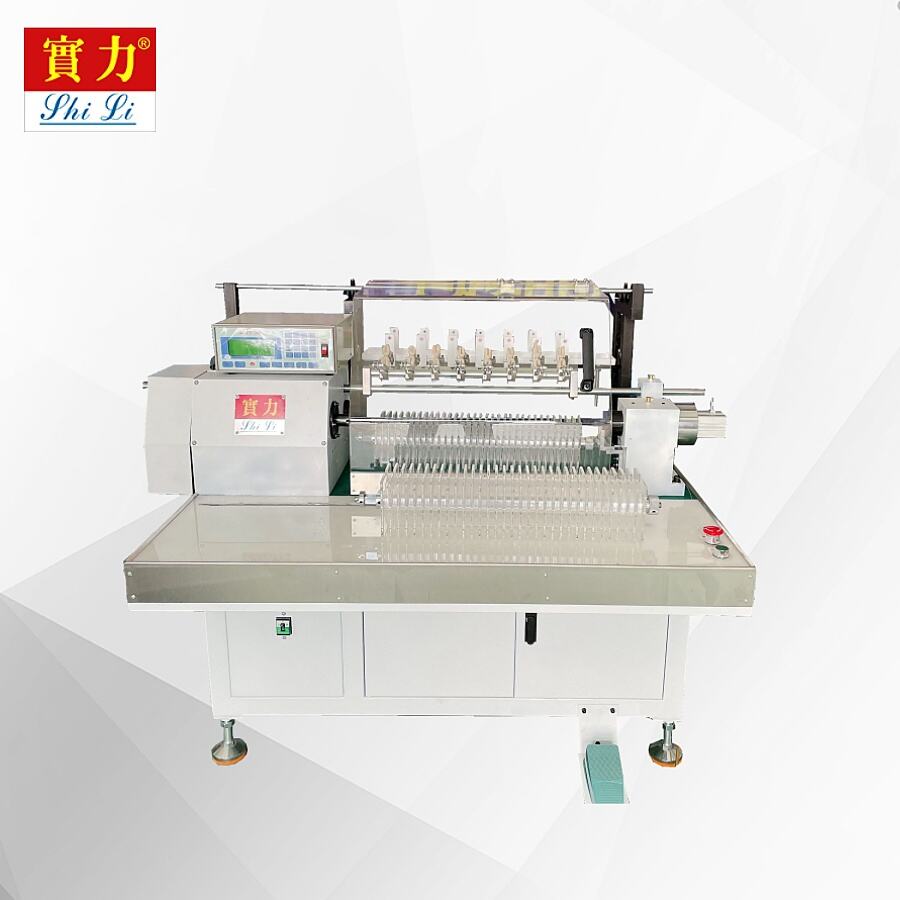
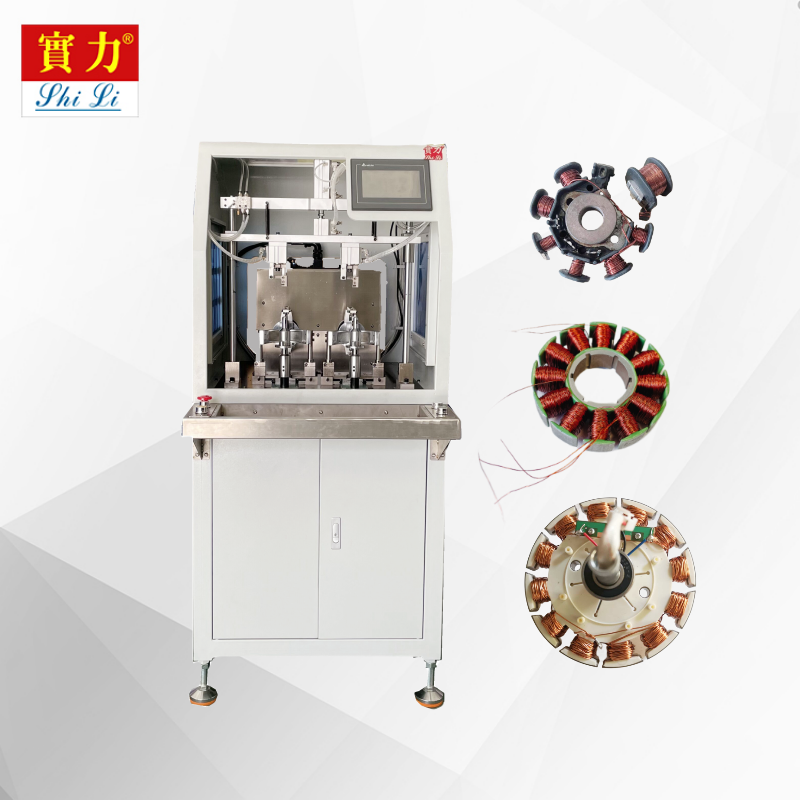
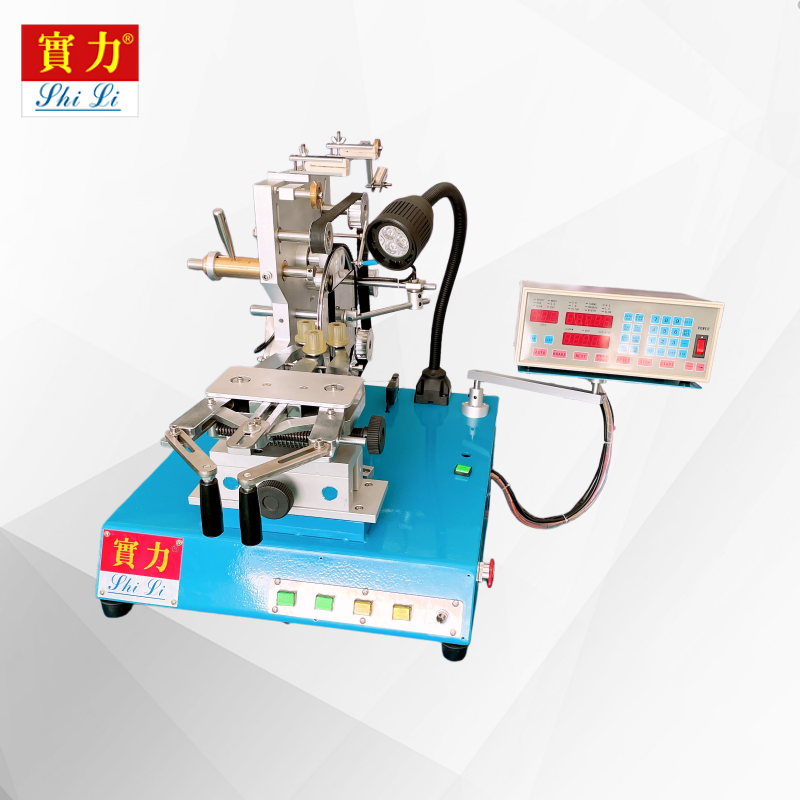
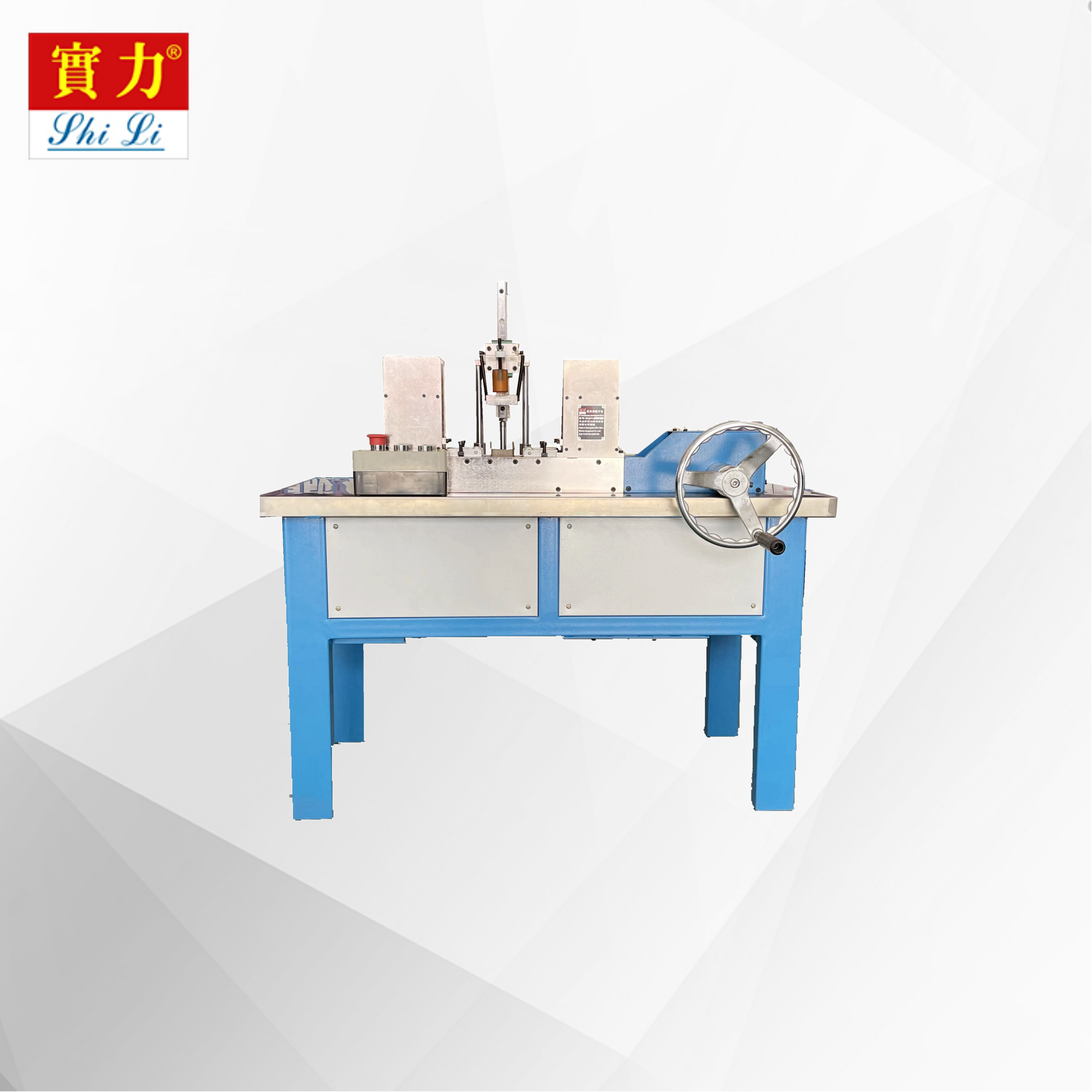
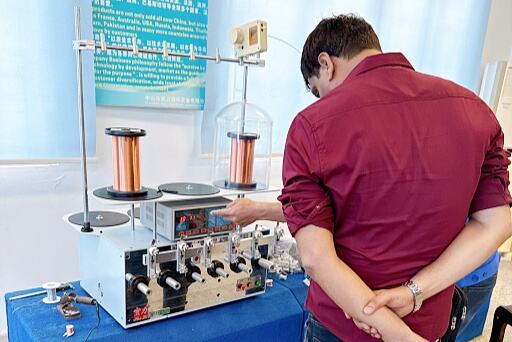
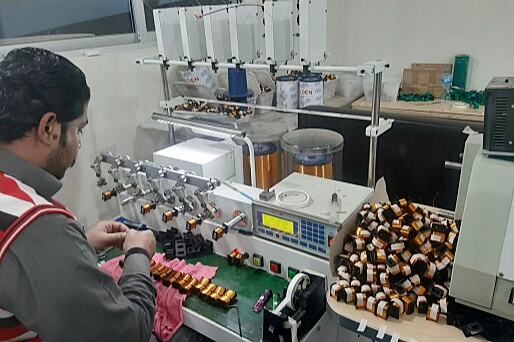
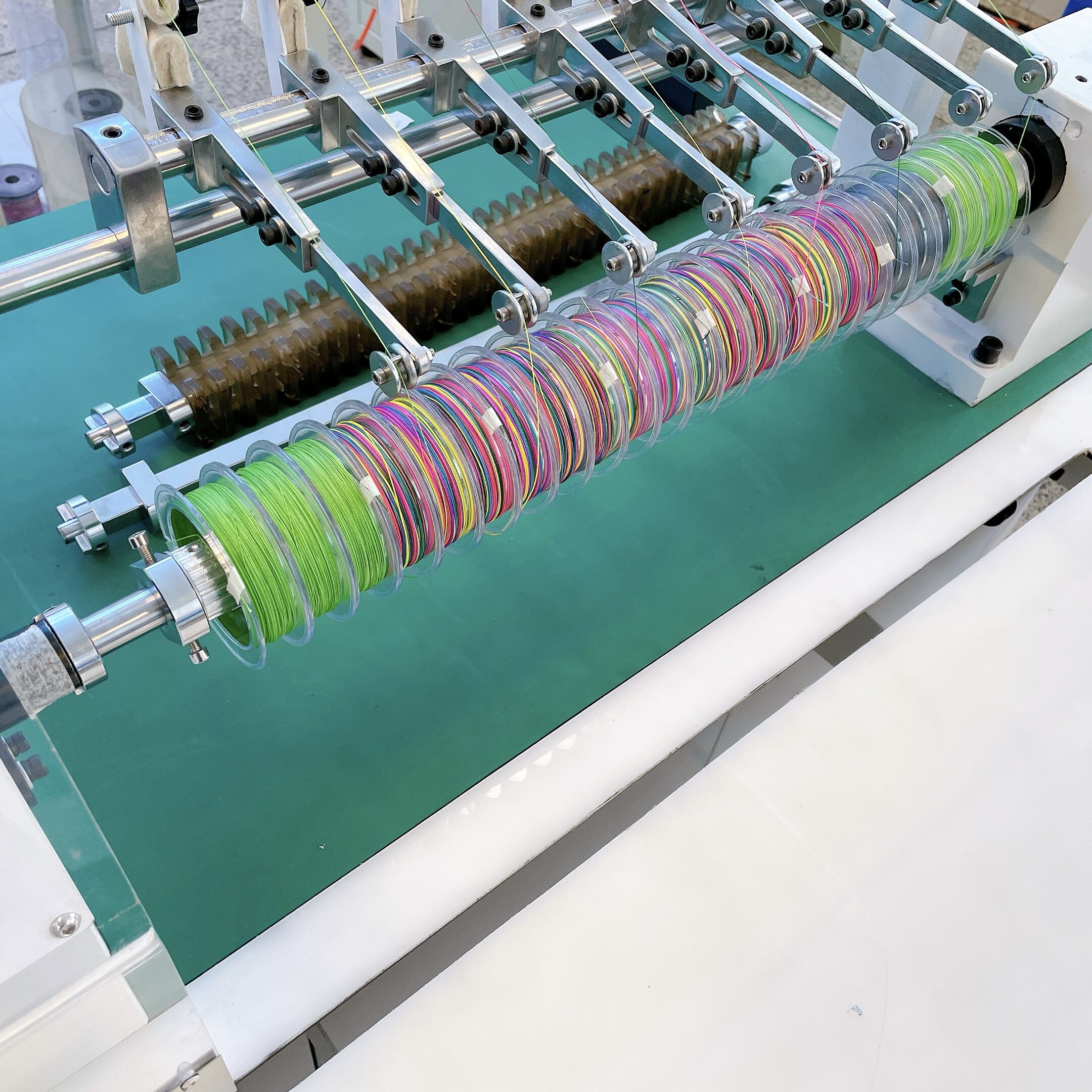
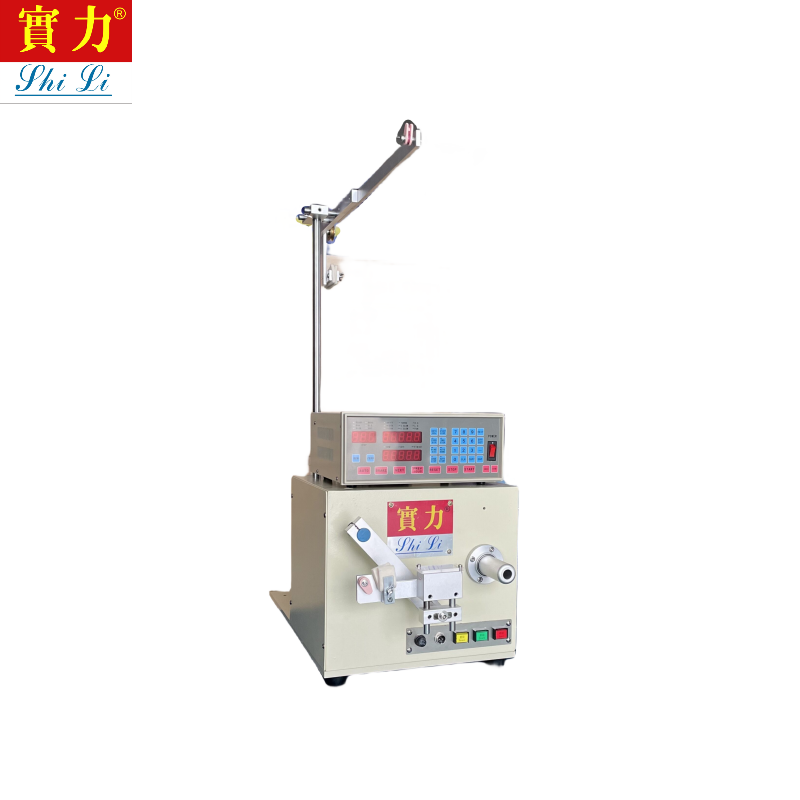
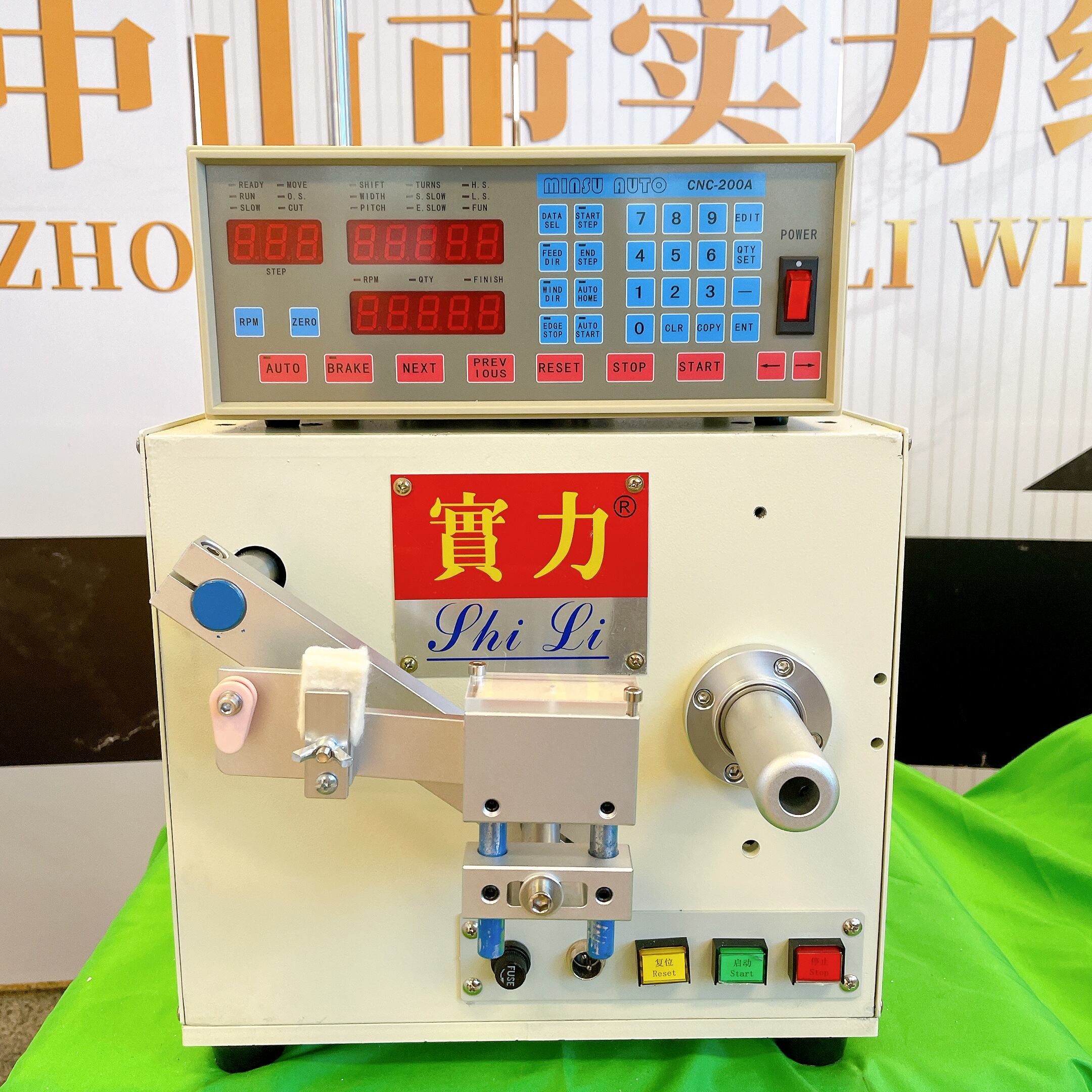
Een draadspoelwikkelmachine is een geavanceerde industriële machine die is ontworpen om verschillende soorten draden, kabels en filamentmaterialen met uitzonderlijke precisie en consistentie op spoelen, haspels of spoeltrommels te wikkelen. Deze geavanceerde machines vormen de basis van talloze productieprocessen in uiteenlopende sectoren, van de fabricage van elektrische componenten tot de ontwikkeling van telecommunicatieinfrastructuur. De draadspoelwikkelmachine maakt gebruik van geavanceerde servomotortechnologie en geautomatiseerde besturingssystemen om optimale spanningsregeling, snelheidsregeling en dimensionele nauwkeurigheid tijdens het wikkelproces te garanderen. Moderne draadspoelwikkelmachines zijn uitgerust met programmeerbare logische besturingen (PLC’s) waarmee operators wikkelparameters zoals traversesnelheid, wikkelpatronen, spanningsinstellingen en spoelafmetingen kunnen aanpassen volgens specifieke productvereisten. Deze machines zijn bijzonder geschikt voor het verwerken van verschillende draaddikten, van ultradunne geleiders die worden gebruikt in elektronische toepassingen tot zware kabels die worden ingezet in stroomtransmissiesystemen. De technologische architectuur omvat precisiewikkelmechanismen die de draad gelijkmatig over de breedte van de spoel verdelen, waardoor overlapping of ophoping wordt voorkomen, wat de productkwaliteit zou kunnen schaden. Geavanceerde sensorsystemen monitoren continu de draadspanning, de positie van de spoel en de voortgang van het wikkelproces, en passen automatisch parameters aan om consistente resultaten te behouden. De draadspoelwikkelmachine is meestal uitgerust met gebruiksvriendelijke touchscreeninterfaces die de bediening vereenvoudigen en tegelijkertijd uitgebreide mogelijkheden bieden voor productiemonitoring. Veiligheidsvoorzieningen omvatten noodstopsystemen, beschermende behuizingen en automatische uitschakelmechanismen die activeren bij afwijkingen. Deze machines ondersteunen diverse spoelafmetingen en -configuraties, en voldoen zowel aan standaard industriële eisen als aan klantspecifieke specificaties. Het modulaire ontwerp maakt eenvoudig onderhoud en vervanging van onderdelen mogelijk, waardoor stilstandtijd wordt beperkt en langdurige operationele betrouwbaarheid wordt gewaarborgd. Integratiemogelijkheden zorgen voor naadloze aansluiting op bestaande productielijnen en kwaliteitscontrolesystemen, wat geautomatiseerde productiewerkstromen ondersteunt die de algehele productiviteit verbeteren, arbeidskosten verlagen en tegelijkertijd hoge kwaliteitsnormen handhaven.
 EN
EN