Professional Motor Winding Tool - Precision Coil Manufacturing Equipment for Enhanced Productivity

Get a Free Quote

Our representative will contact you soon.
Email
Name
Company Name
Message
0/1000

motor winding tool

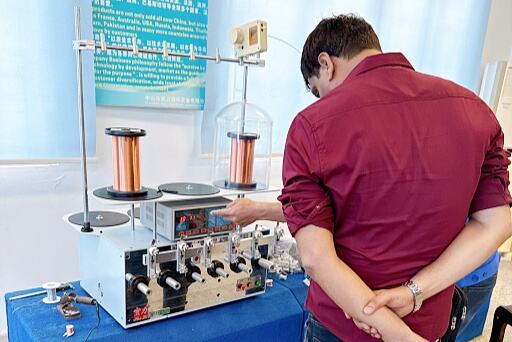
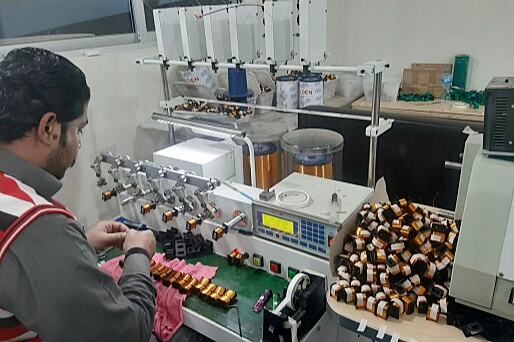
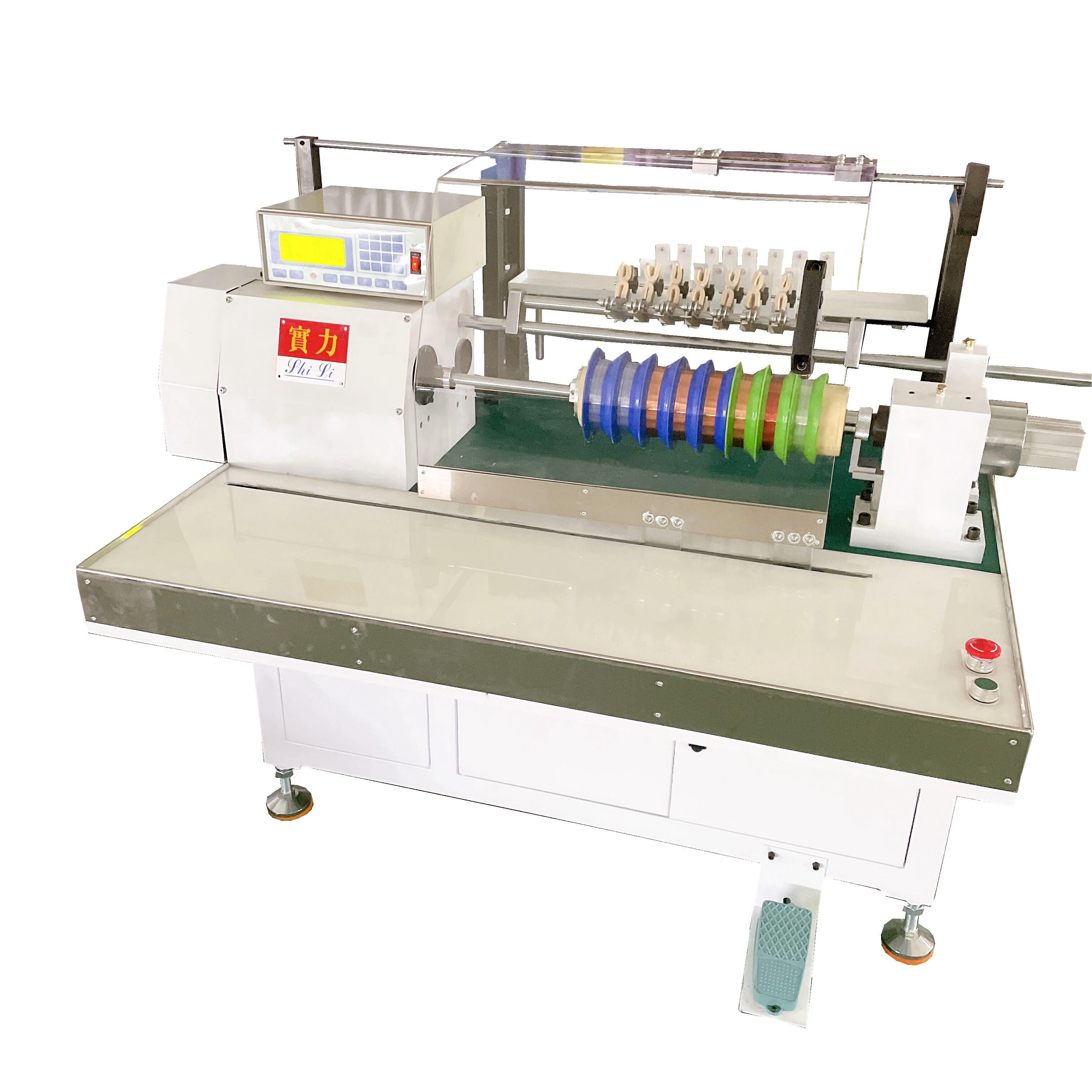
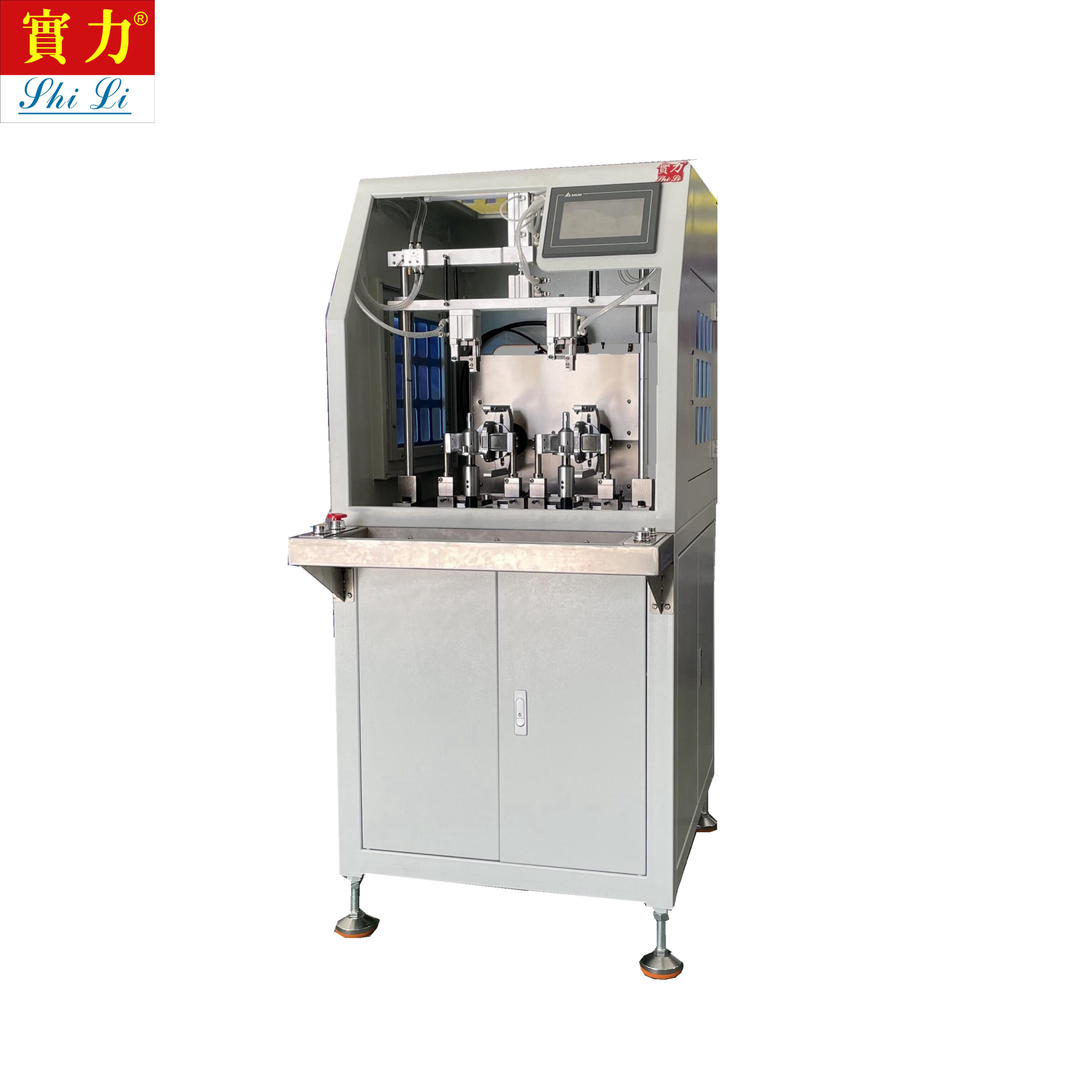
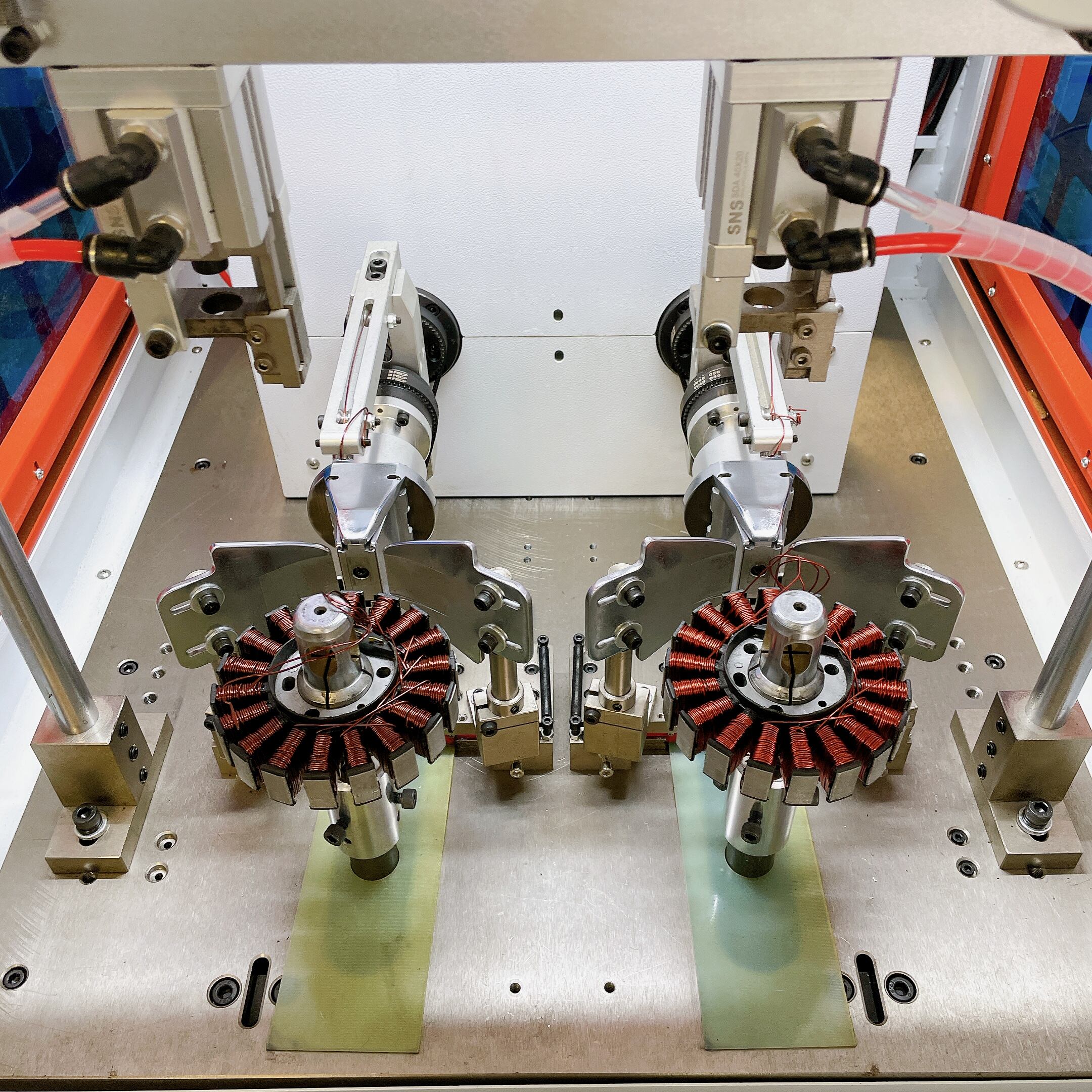
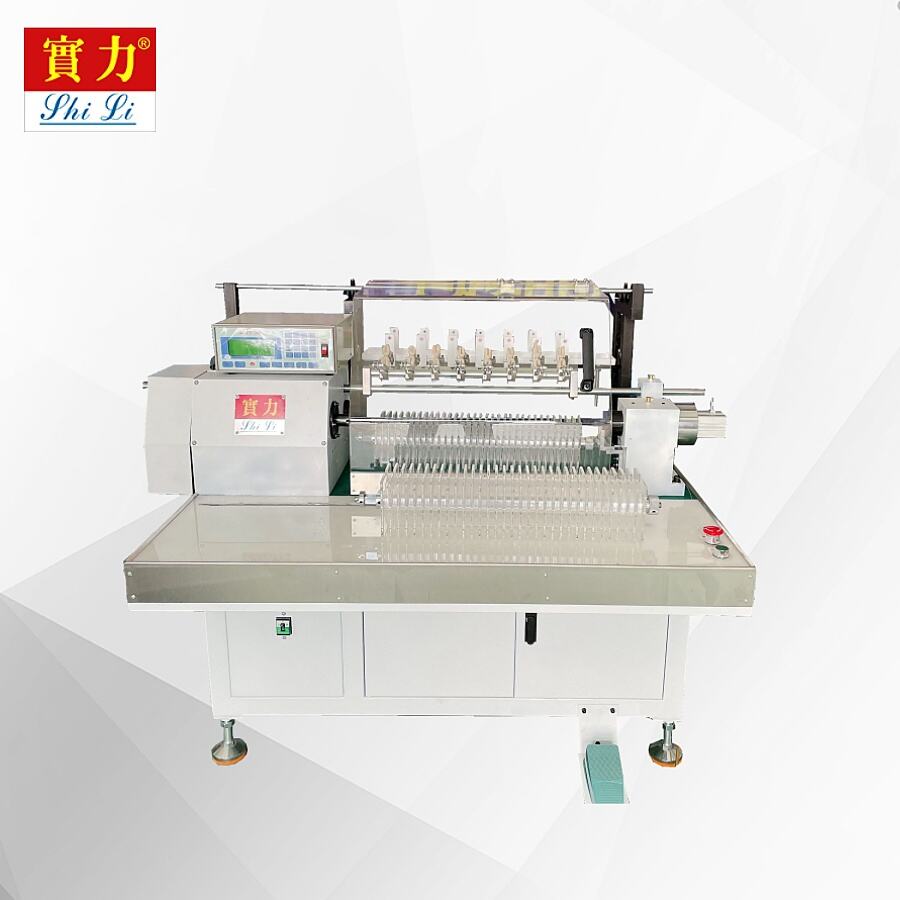
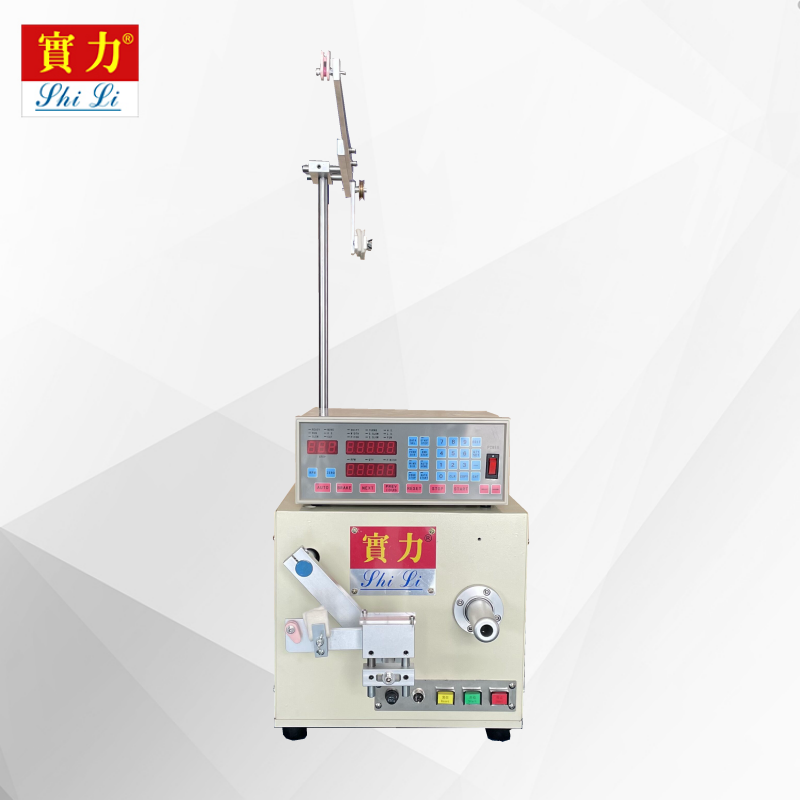
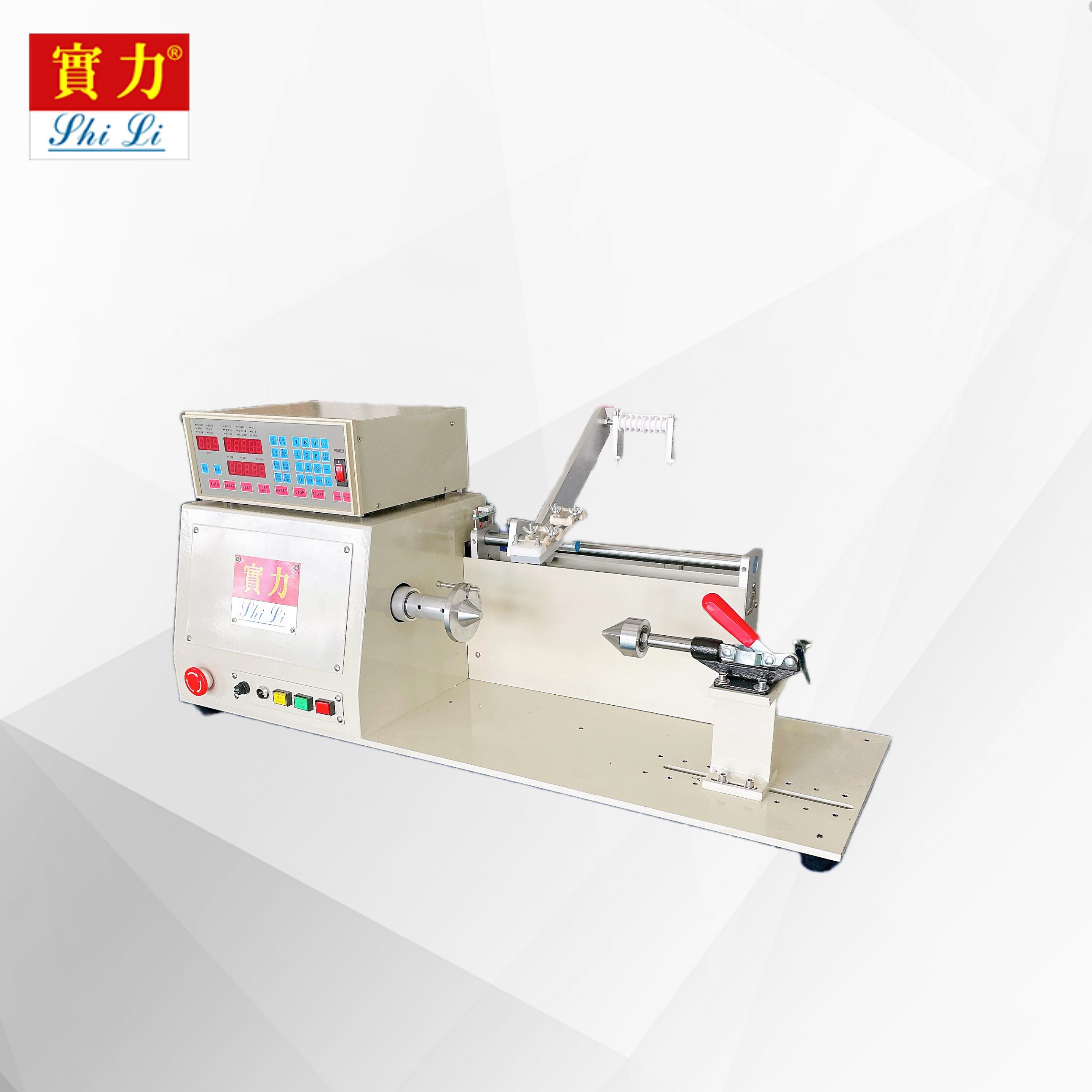
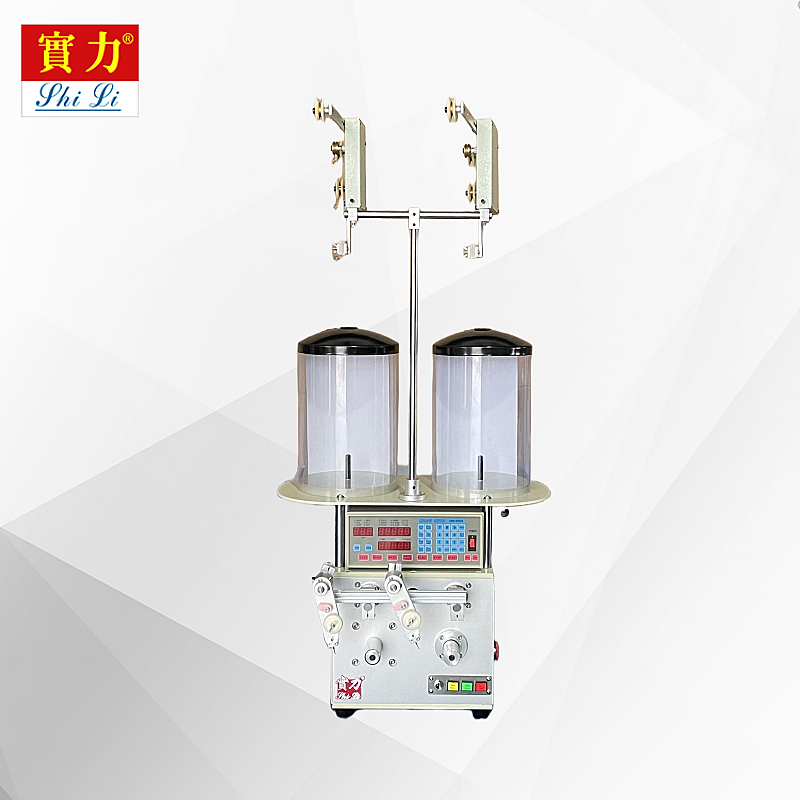
A motor winding tool represents an essential piece of equipment designed to facilitate the precise coiling of copper wire around motor cores, transformers, and various electromagnetic components. This sophisticated device streamlines the traditionally labor-intensive process of creating electrical windings by automating the wire placement, tension control, and layering procedures. The motor winding tool operates through a combination of mechanical precision and electronic controls, ensuring consistent wire placement and optimal electrical performance in finished products. Modern motor winding tools incorporate advanced features such as programmable winding patterns, automatic wire tensioning systems, and digital counters that track the number of turns with exceptional accuracy. These tools accommodate various wire gauges and can handle different winding configurations, from simple single-layer arrangements to complex multi-layer patterns required in high-performance motors. The technological backbone of a motor winding tool includes servo motors for precise positioning, microprocessor-based controls for pattern programming, and specialized fixtures that securely hold the workpiece during the winding process. Many contemporary models feature touchscreen interfaces that allow operators to input specific winding parameters, store multiple winding programs, and monitor the progress of each operation in real-time. The motor winding tool also incorporates safety features such as wire break detection, over-tension protection, and emergency stop functions to prevent damage to both the equipment and the workpiece. Quality control mechanisms built into these tools include wire counting verification, tension monitoring throughout the winding process, and automatic adjustment capabilities that compensate for variations in wire diameter or core dimensions. The versatility of motor winding tools extends beyond simple coil creation, as they can also perform tasks such as wire stripping, soldering preparation, and quality inspection of completed windings.

New Product Recommendations

The motor winding tool delivers significant productivity improvements by automating what was once a manual and time-consuming process. Operators can complete winding tasks up to five times faster compared to hand-winding methods, while maintaining superior consistency and quality throughout production runs. This efficiency boost translates directly into reduced labor costs and increased manufacturing capacity, allowing businesses to meet higher demand without proportional increases in staffing requirements. Quality enhancement stands as another primary advantage, as the motor winding tool eliminates human error variables that commonly affect hand-wound coils. The precise tension control ensures uniform wire placement, preventing loose spots or excessive tightness that could compromise electrical performance or cause premature failure. Consistent layer distribution achieved through automated positioning creates coils with predictable electrical characteristics, reducing variation between units and improving overall product reliability. Cost savings extend beyond labor reduction to include material waste minimization. The motor winding tool calculates exact wire lengths needed for each application, reducing excess material usage and improving inventory management. The tool's ability to work with various wire gauges and core sizes provides operational flexibility, eliminating the need for multiple specialized devices and reducing equipment investment requirements. Training requirements decrease substantially when using a motor winding tool, as operators need only learn the control interface rather than developing the manual dexterity and experience required for hand-winding techniques. This simplified learning curve enables faster workforce development and reduces the impact of employee turnover on production capabilities. The motor winding tool also improves workplace safety by reducing repetitive strain injuries associated with manual winding operations. Automated wire handling and positioning eliminate the need for operators to maintain awkward positions or perform repetitive motions that can lead to musculoskeletal disorders. Documentation and traceability capabilities built into modern motor winding tools provide detailed records of each winding operation, including wire usage, tension readings, and completion times. This data supports quality management systems and enables rapid identification of process variations that might affect product performance. The reproducibility achieved through automated winding processes ensures that replacement coils match original specifications exactly, supporting maintenance and repair operations with consistent components.

Latest News

Solve Solenoid Valve Coil Production Pain Points for India | Easy Operation Guide

05

Feb

Solve Solenoid Valve Coil Production Pain Points for India | Easy Operation Guide

View More
Bangladesh Client Raves: Efficiency + Stable Quality

05

Feb

Bangladesh Client Raves: Efficiency + Stable Quality

View More
Turkey Full Container Shipment: Rave Reviews & Repeat Orders

05

Feb

Turkey Full Container Shipment: Rave Reviews & Repeat Orders

View More

Get a Free Quote

Our representative will contact you soon.
Email
Name
Company Name
Message
0/1000

motor winding tool

Advanced Precision Control System

Advanced Precision Control System

The motor winding tool incorporates a sophisticated precision control system that revolutionizes the accuracy and consistency of coil manufacturing processes. This advanced system utilizes high-resolution servo motors coupled with precision encoders to achieve positioning accuracy within fractions of a millimeter, ensuring that each wire turn is placed exactly where intended. The control system continuously monitors and adjusts wire tension throughout the winding process, preventing variations that could compromise coil integrity or electrical performance. This real-time feedback mechanism responds instantaneously to changes in wire characteristics, core dimensions, or environmental conditions, maintaining optimal winding parameters regardless of external variables. The precision control system features multiple operating modes to accommodate different winding requirements, from simple single-layer coils to complex multi-layer configurations with precise interlayer spacing. Programmable acceleration and deceleration curves ensure smooth wire placement without sudden jerks or stops that could cause wire breaks or uneven tension distribution. The system's memory capabilities store hundreds of different winding programs, each containing specific parameters for wire gauge, tension settings, winding speed, and layer patterns. This extensive program library eliminates setup time between different production runs and ensures consistent results when returning to previously used configurations. Advanced interpolation algorithms calculate optimal tool paths for complex winding geometries, minimizing wire stress and maximizing packing density within available core space. The control system also incorporates predictive maintenance features that monitor component wear and performance degradation, alerting operators to potential issues before they affect production quality. Diagnostic capabilities provide detailed analysis of winding operations, identifying trends and variations that might indicate process improvements or equipment adjustments needed for optimal performance.
Versatile Multi-Application Compatibility

Versatile Multi-Application Compatibility

The motor winding tool demonstrates exceptional versatility through its multi-application compatibility, designed to handle diverse winding requirements across various industries and product specifications. This adaptability stems from modular fixture systems that accommodate different core shapes, sizes, and configurations without requiring complete equipment reconfiguration. The tool seamlessly transitions between winding applications for small precision motors, large industrial transformers, and specialized electromagnetic devices, making it an invaluable asset for manufacturers serving multiple markets. Quick-change tooling systems enable rapid switching between different wire gauges, from fine magnet wire used in precision instruments to heavy-duty conductors required for power applications. The motor winding tool supports both air-core and iron-core winding applications, automatically adjusting winding parameters to optimize performance for each core type. Programmable winding patterns include options for lap windings, wave windings, concentrated windings, and distributed windings, covering the full spectrum of motor design requirements. The tool's software includes specialized algorithms for different winding types, such as toroidal coils, solenoids, inductors, and custom electromagnetic components, each optimized for specific electrical and mechanical characteristics. Multi-layer capability allows the creation of complex winding structures with precise interlayer insulation placement and controlled crossover points that minimize electrical stress and maximize performance. The system accommodates various wire types including copper, aluminum, and specialty alloys, automatically adjusting tension and handling parameters based on material properties. Fixture compatibility extends to both round and rectangular core geometries, with automatic centering and alignment features that ensure consistent winding placement regardless of core variations. The motor winding tool also supports hybrid winding operations that combine different wire types or gauges within a single coil, enabling the creation of specialized components with unique electrical characteristics tailored to specific application requirements.
Intelligent Quality Assurance Integration

Intelligent Quality Assurance Integration

The motor winding tool incorporates intelligent quality assurance integration that continuously monitors and validates every aspect of the winding process to ensure superior product quality and consistency. This comprehensive quality system begins with pre-winding verification, automatically checking core dimensions, wire specifications, and fixture alignment before initiating any winding operation. Real-time monitoring throughout the winding process tracks critical parameters including wire tension, turn count accuracy, layer uniformity, and winding speed consistency. Advanced sensor technology detects wire breaks instantly, stopping the process and alerting operators to prevent defective coils from advancing through production. The quality assurance system includes automated inspection capabilities that verify winding geometry, measure resistance values, and check insulation integrity upon completion of each coil. Statistical process control features track quality metrics over time, identifying trends that might indicate equipment drift or process variations requiring attention. The system generates detailed quality reports for each winding operation, documenting all measured parameters and comparing them against specified tolerances to ensure compliance with quality standards. Automated reject handling prevents defective coils from mixing with acceptable products, maintaining production integrity and reducing downstream quality issues. The intelligent quality system learns from historical data, continuously refining its ability to predict and prevent quality problems before they occur. Integration with enterprise quality management systems enables seamless data transfer and comprehensive traceability throughout the manufacturing process. Vision systems incorporated into advanced motor winding tool configurations provide visual inspection capabilities that detect surface defects, wire placement errors, and dimensional variations that might not be apparent through other measurement methods. The quality assurance integration also includes calibration management features that track instrument accuracy and schedule routine maintenance to ensure continued measurement reliability, supporting certification requirements and regulatory compliance across various industries.

Get a Free Quote

Our representative will contact you soon.
Email
Name
Company Name
Message
0/1000
Newsletter
Please Leave A Message With Us