Manual Coil Winding Machine: Precision Manufacturing Solution for Electrical Components

Get a Free Quote

Our representative will contact you soon.
Email
Name
Company Name
Message
0/1000

manual coil winding machine

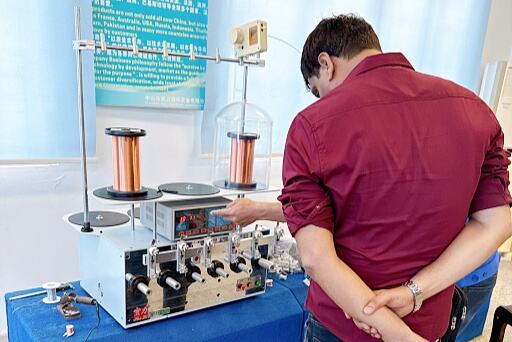
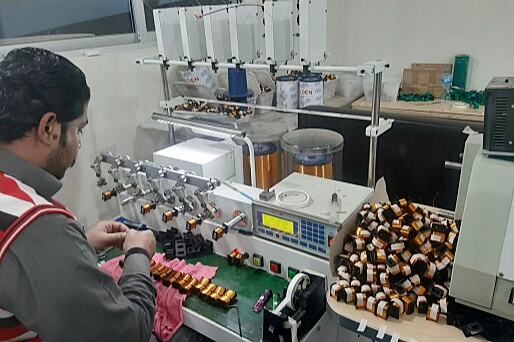
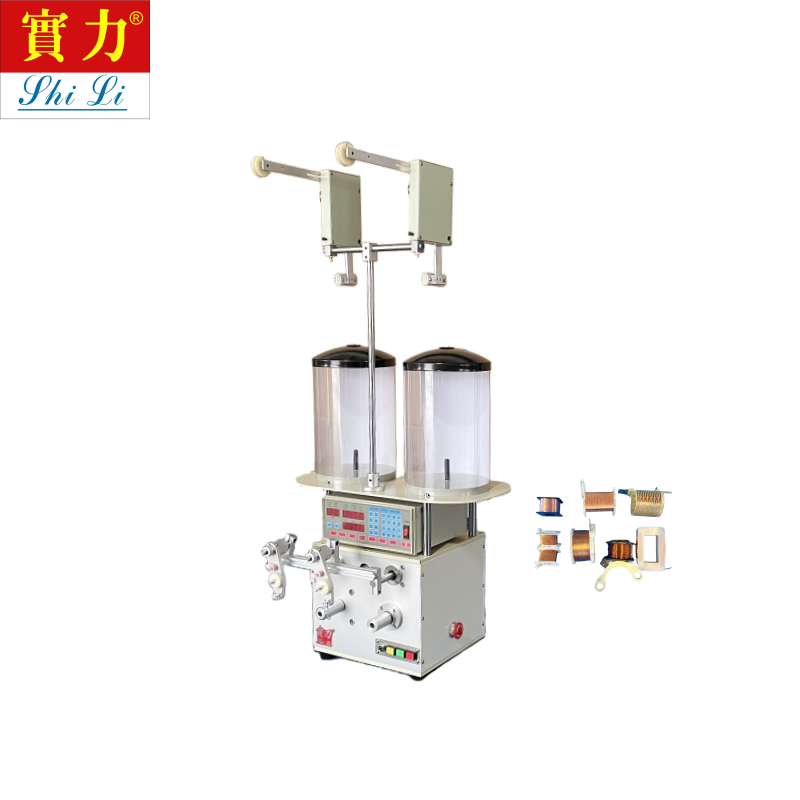
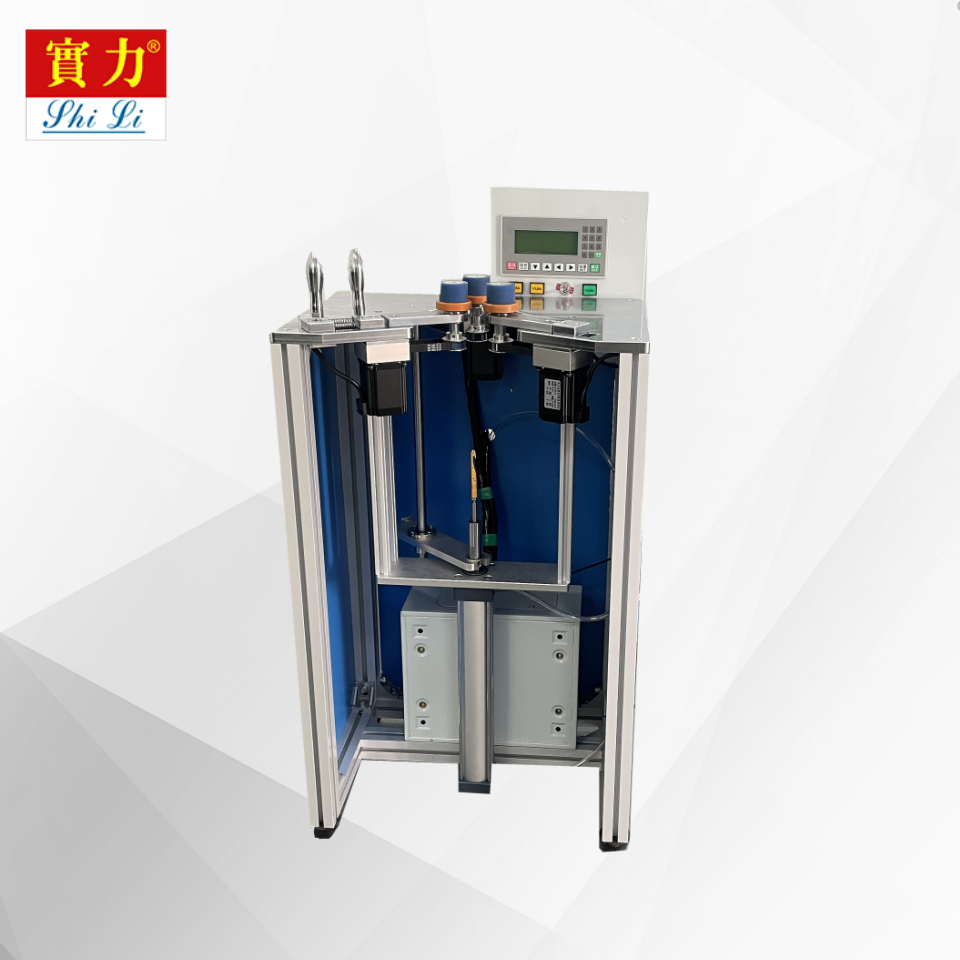
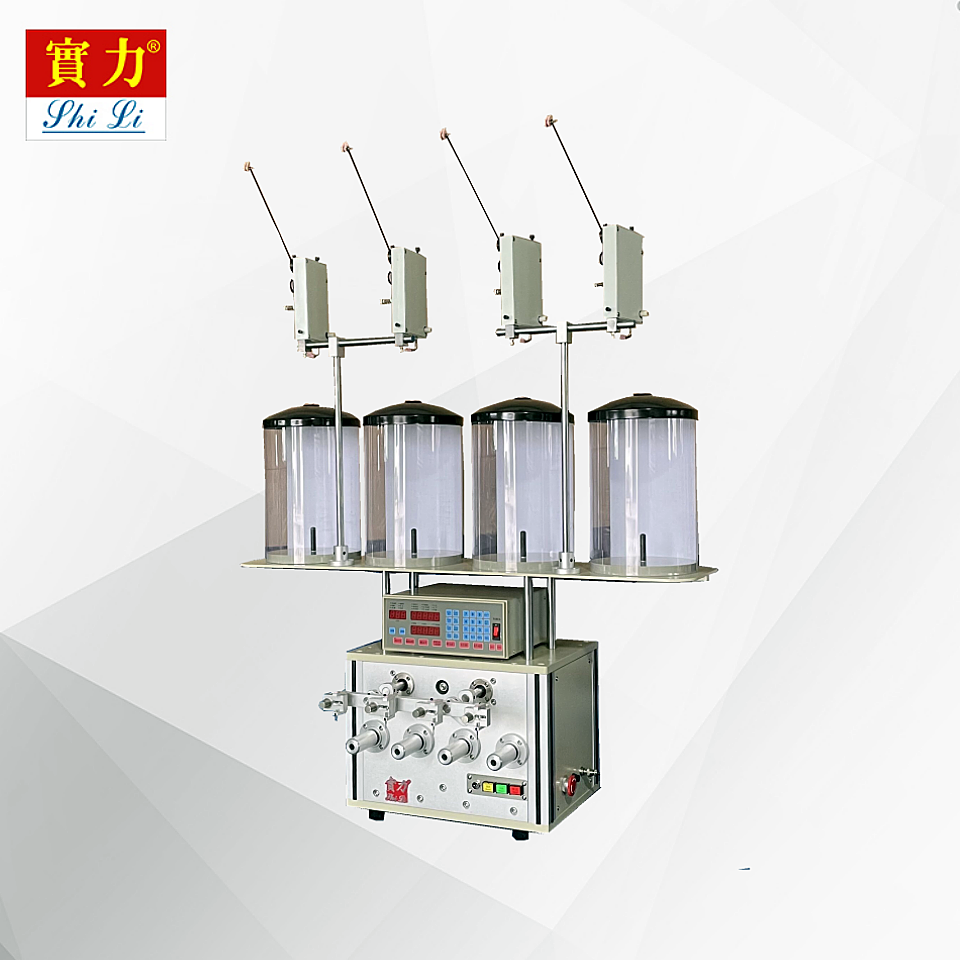
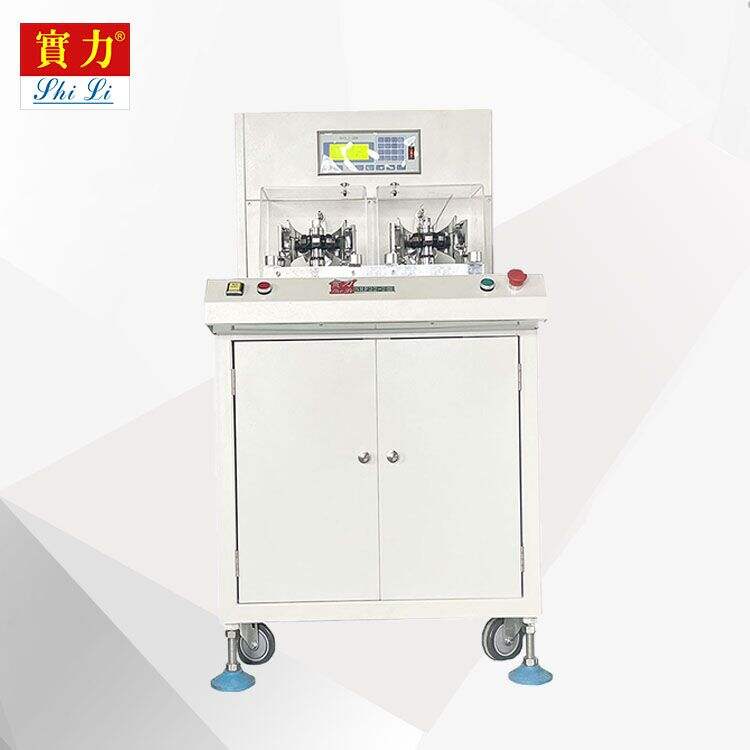
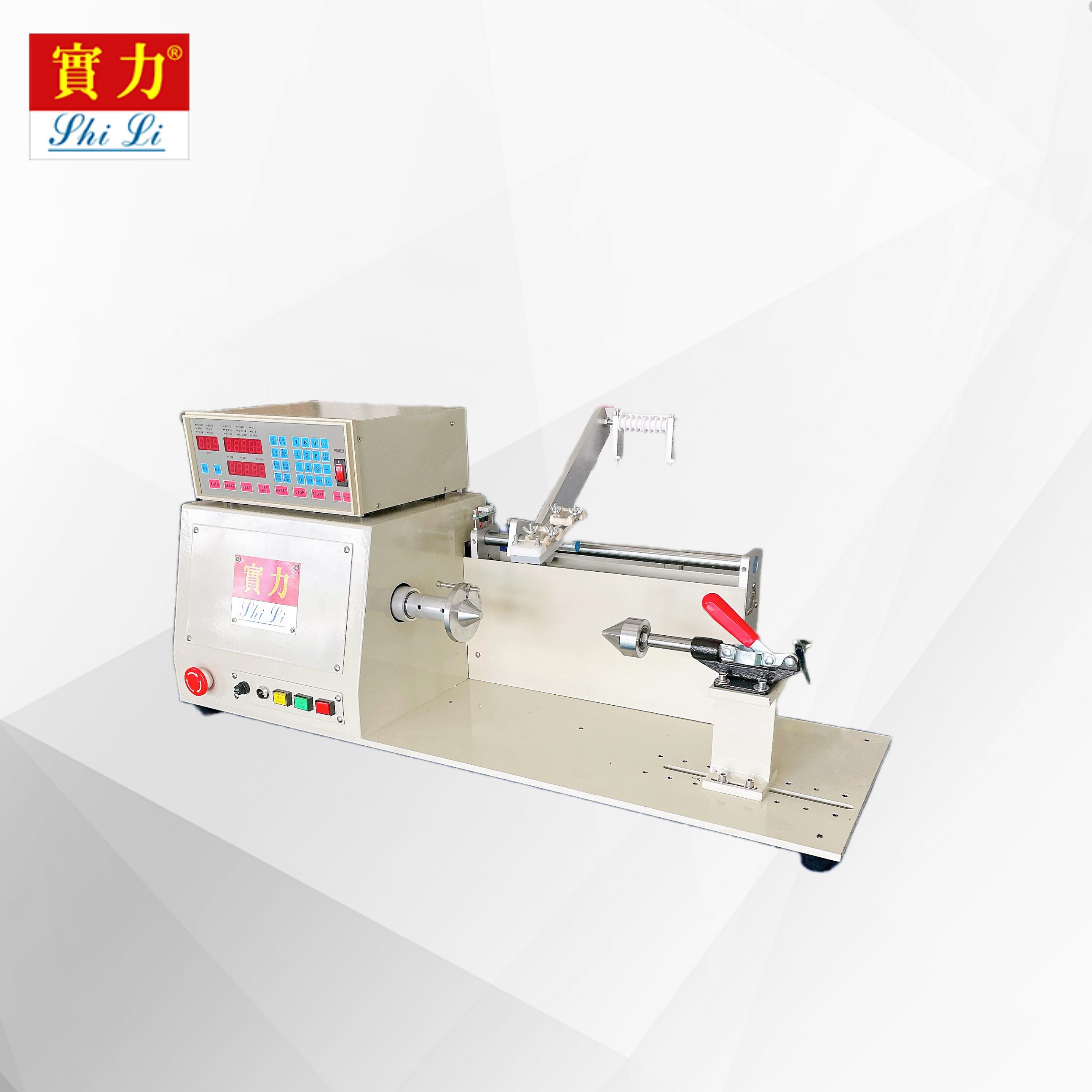
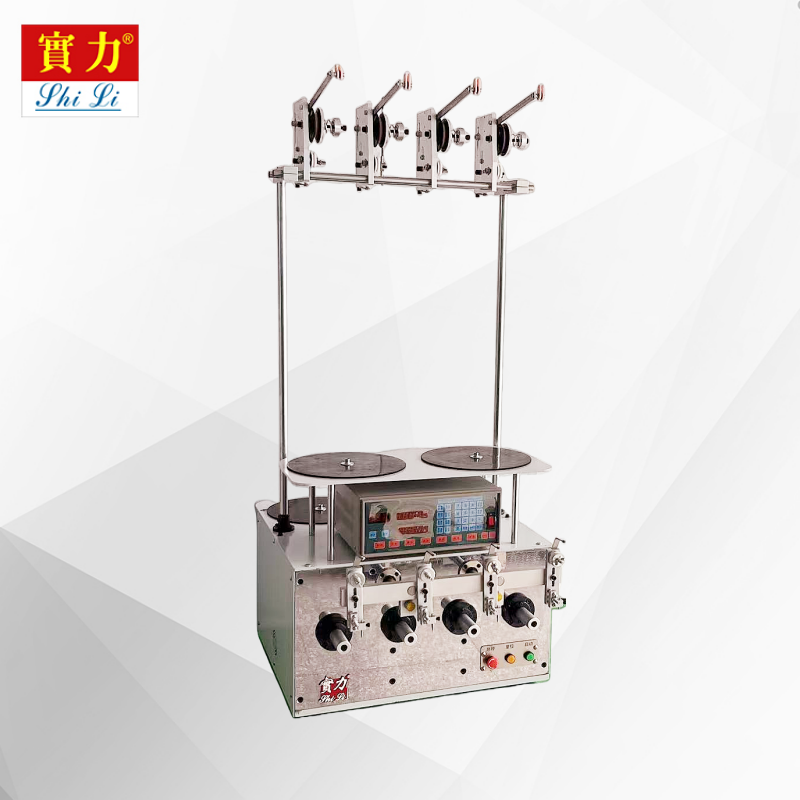
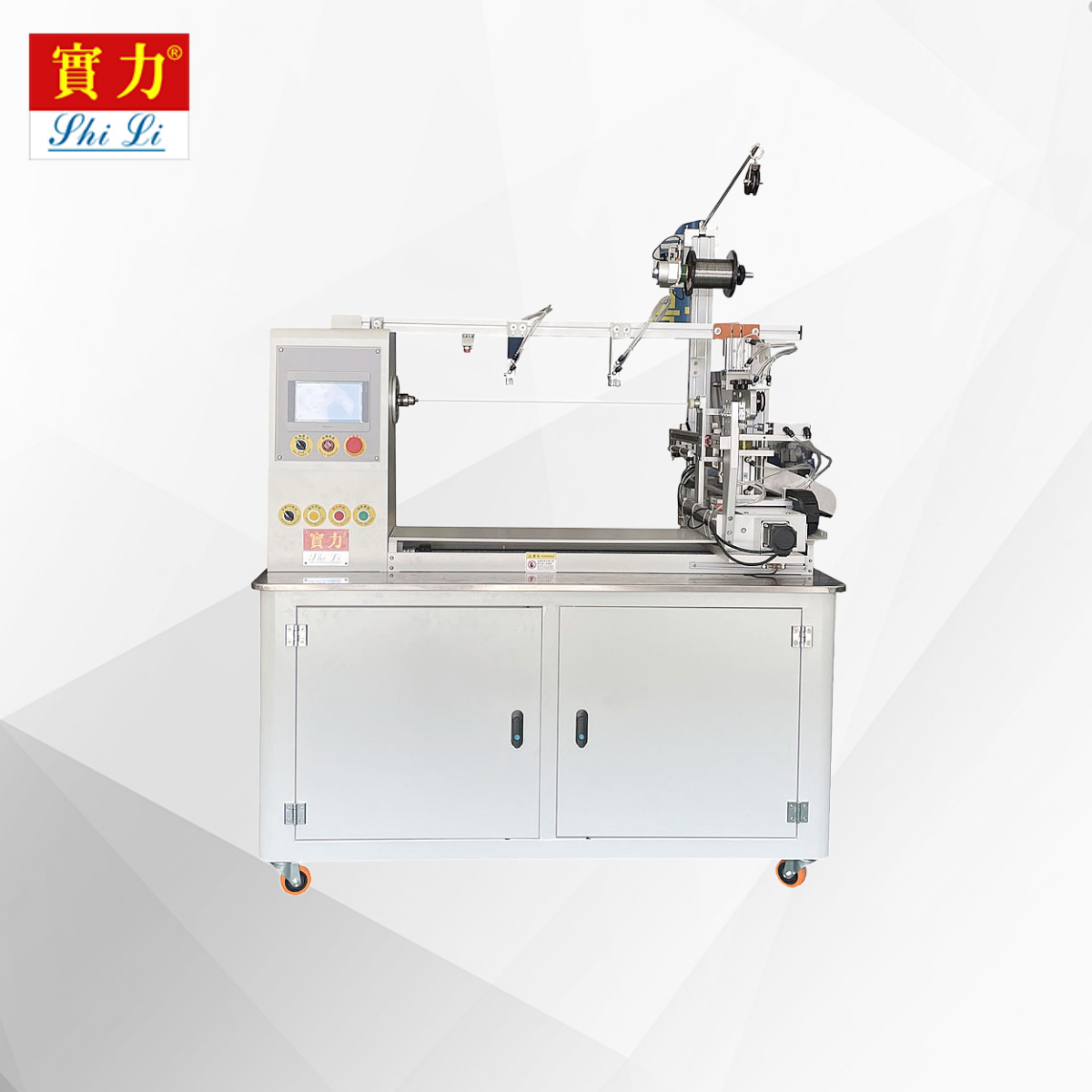
A manual coil winding machine represents a fundamental piece of equipment in electrical manufacturing, designed to create precise wire coils for transformers, inductors, motors, and various electromagnetic devices. This versatile apparatus operates through mechanical precision, allowing operators to wind copper or aluminum wire around cores with exceptional accuracy and consistency. The manual coil winding machine features robust construction with adjustable tension controls, variable speed settings, and ergonomic design elements that enhance operational efficiency. Its primary function involves wrapping conductive wire around magnetic cores to create electromagnetic components essential in electrical systems. The machine incorporates a spindle mechanism that rotates the core while guiding wire placement through specialized tensioning systems. Advanced models include digital counters for precise turn counting, automatic wire guides for uniform winding patterns, and adjustable clamping systems to accommodate various core sizes and shapes. The technological framework of the manual coil winding machine integrates mechanical engineering principles with electrical manufacturing requirements. Key components include the main drive shaft, tension adjustment mechanisms, wire feeding systems, and core mounting fixtures. These elements work together to ensure consistent wire placement and optimal coil performance. The machine supports multiple winding techniques including layer winding, random winding, and progressive winding methods. Applications span across industries including automotive manufacturing for ignition coils, electrical appliance production for motor windings, and electronic device manufacturing for transformer construction. The manual coil winding machine proves invaluable in prototype development, small-batch production, and specialized manufacturing scenarios where automated systems may be impractical or cost-prohibitive. Its versatility extends to educational institutions for training purposes and research facilities for experimental coil development.

Popular Products

The manual coil winding machine delivers exceptional value through its cost-effective approach to coil manufacturing. Unlike automated systems requiring substantial capital investment, this equipment provides affordable entry into professional coil production while maintaining high-quality standards. Small manufacturers and startups benefit from lower initial costs and reduced operational complexity. The machine offers remarkable flexibility in handling diverse coil specifications without expensive retooling or programming requirements. Operators can easily adjust parameters for different wire gauges, core sizes, and winding patterns within minutes rather than hours required for automated equipment setup. This adaptability proves crucial for custom manufacturing and prototype development where specifications frequently change. Precision control represents another significant advantage of the manual coil winding machine. Experienced operators achieve exceptional accuracy through direct tactile feedback and visual monitoring throughout the winding process. This hands-on approach enables real-time adjustments to maintain optimal tension and wire placement, resulting in superior coil quality compared to some automated alternatives. The machine requires minimal maintenance due to its straightforward mechanical design, reducing downtime and operational costs. Simple lubrication schedules and basic cleaning procedures keep the equipment functioning reliably for years. Training requirements remain manageable, allowing new operators to become proficient quickly without extensive technical education. Space efficiency makes the manual coil winding machine ideal for smaller workshops and laboratories where floor space is limited. Its compact footprint and standalone operation eliminate the need for extensive support infrastructure required by larger automated systems. Energy consumption stays minimal compared to complex automated equipment, contributing to reduced operating costs and environmental impact. Quality control becomes more intuitive with manual operation, as skilled operators can detect and correct irregularities immediately during the winding process. This immediate feedback loop prevents defective coils and reduces material waste. The manual coil winding machine also provides excellent learning opportunities for understanding coil construction principles, making it valuable for educational and training purposes where theoretical knowledge meets practical application.

Tips And Tricks

Solve Solenoid Valve Coil Production Pain Points for India | Easy Operation Guide

05

Feb

Solve Solenoid Valve Coil Production Pain Points for India | Easy Operation Guide

View More
Bangladesh Client Raves: Efficiency + Stable Quality

05

Feb

Bangladesh Client Raves: Efficiency + Stable Quality

View More
Turkey Full Container Shipment: Rave Reviews & Repeat Orders

05

Feb

Turkey Full Container Shipment: Rave Reviews & Repeat Orders

View More

Get a Free Quote

Our representative will contact you soon.
Email
Name
Company Name
Message
0/1000

manual coil winding machine

Precision Control and Versatility in Coil Manufacturing

Precision Control and Versatility in Coil Manufacturing

The manual coil winding machine excels in delivering precise control over every aspect of the coil manufacturing process, making it an indispensable tool for quality-focused manufacturers. This precision stems from the direct operator involvement in each winding operation, allowing for real-time adjustments and immediate quality assessment. The machine's design incorporates adjustable tension controls that enable operators to maintain consistent wire tension throughout the winding process, preventing loose turns that could compromise electromagnetic performance. Variable speed controls allow operators to adjust winding speed based on wire gauge, core material, and specific application requirements, ensuring optimal results across diverse manufacturing scenarios. The versatility of the manual coil winding machine becomes apparent when considering its ability to handle various wire types and gauges without requiring expensive tooling changes. From fine magnet wire used in precision instruments to heavier gauge wire for power applications, the machine accommodates different specifications through simple adjustments. Core compatibility extends from small ferrite cores used in electronic circuits to larger laminated cores for transformer applications. This adaptability eliminates the need for multiple specialized machines, making it cost-effective for manufacturers working with diverse product lines. The machine's precision extends to turn counting capabilities, with many models featuring mechanical or digital counters that ensure exact specifications are met consistently. This accuracy proves crucial in applications where electromagnetic properties depend on precise turn ratios and winding geometry. Layer control mechanisms enable uniform wire distribution, preventing hot spots and ensuring optimal electrical performance. The manual coil winding machine also supports various winding patterns including helical, orthocyclic, and random winding techniques, allowing manufacturers to optimize coil design for specific applications. Quality control becomes integrated into the manufacturing process as operators can visually inspect each layer during winding, identifying and correcting potential issues before they compromise the final product. This level of precision and versatility makes the manual coil winding machine particularly valuable for custom manufacturing, prototype development, and applications requiring specialized coil configurations that automated systems might not accommodate efficiently.
Cost-Effective Solution for Small to Medium Production Runs

Cost-Effective Solution for Small to Medium Production Runs

The manual coil winding machine represents an optimal balance between manufacturing capability and economic investment, particularly benefiting small to medium-sized manufacturers who require professional-grade coil production without the substantial capital expenditure associated with automated systems. This cost-effectiveness extends beyond the initial purchase price to encompass reduced operational expenses, minimal infrastructure requirements, and lower maintenance costs throughout the equipment's operational life. Unlike automated winding systems that often require significant upfront investment in programming, tooling, and specialized training, the manual coil winding machine offers immediate productivity with basic operator training. The learning curve remains manageable, allowing manufacturers to achieve proficient operation within days rather than weeks or months required for complex automated systems. This rapid deployment translates to faster return on investment and reduced time-to-market for new products. Maintenance requirements stay minimal due to the machine's straightforward mechanical design, eliminating the need for specialized technicians or expensive service contracts common with sophisticated automated equipment. Regular maintenance typically involves basic lubrication, cleaning, and occasional adjustment of mechanical components that most in-house maintenance staff can handle competently. This simplicity reduces long-term operational costs and minimizes unexpected downtime that could disrupt production schedules. The manual coil winding machine also provides excellent scalability for growing businesses. As production demands increase, manufacturers can easily add additional machines to expand capacity without the exponential cost increases associated with upgrading to larger automated systems. This modular approach allows organic growth aligned with business development and cash flow capabilities. Energy consumption remains significantly lower compared to automated alternatives, contributing to reduced operational costs and supporting environmental sustainability goals. The machine's efficiency in material utilization also contributes to cost savings, as skilled operators can minimize wire waste and optimize material usage through careful control of the winding process. For manufacturers serving niche markets or producing specialized coils with varying specifications, the manual coil winding machine offers economic advantages that automated systems cannot match, particularly when production volumes don't justify the investment in complex automation.
Educational Value and Skill Development Opportunities

Educational Value and Skill Development Opportunities

The manual coil winding machine serves as an exceptional educational platform for understanding fundamental electromagnetic principles and manufacturing processes, making it invaluable for technical schools, universities, and training facilities focused on electrical and mechanical engineering education. This hands-on learning approach provides students with tangible experience in coil construction, allowing them to observe directly how theoretical electromagnetic concepts translate into practical applications. The tactile nature of manual winding operations helps students understand the relationship between wire tension, winding geometry, and final coil performance in ways that purely theoretical instruction cannot achieve. Students gain appreciation for manufacturing precision requirements and quality control processes essential in electrical component production. The machine enables educators to demonstrate various winding techniques and their effects on electromagnetic properties, creating memorable learning experiences that enhance comprehension of complex engineering principles. This practical exposure proves particularly valuable for students who learn better through hands-on activities rather than traditional classroom instruction. The manual coil winding machine also facilitates research and development activities in academic and industrial settings. Researchers can quickly prototype different coil configurations to test theoretical models or explore new electromagnetic designs without the time and cost associated with programming automated equipment. This flexibility accelerates innovation cycles and enables rapid iteration through design variations. The immediate feedback provided by manual operation allows researchers to observe the effects of parameter changes in real-time, supporting more intuitive understanding of electromagnetic behavior. For industrial training programs, the manual coil winding machine provides essential skills development for technicians and engineers who may later work with more sophisticated automated systems. Understanding manual winding principles creates a foundation for troubleshooting automated equipment and optimizing production processes. The skills developed through manual operation transfer effectively to automated systems, as operators who understand the fundamental processes can better program and maintain complex equipment. This educational foundation proves particularly valuable in industries where coil quality directly impacts product performance and safety. The manual coil winding machine therefore represents not just manufacturing equipment but an investment in workforce development and technical education that benefits organizations long-term through improved technical competency and innovation capabilities.

Get a Free Quote

Our representative will contact you soon.
Email
Name
Company Name
Message
0/1000
Newsletter
Please Leave A Message With Us