Advanced Coil Winding Equipment - Precision Manufacturing Solutions for Electromagnetic Components

Get a Free Quote

Our representative will contact you soon.
Email
Name
Company Name
Message
0/1000

coil winding equipment

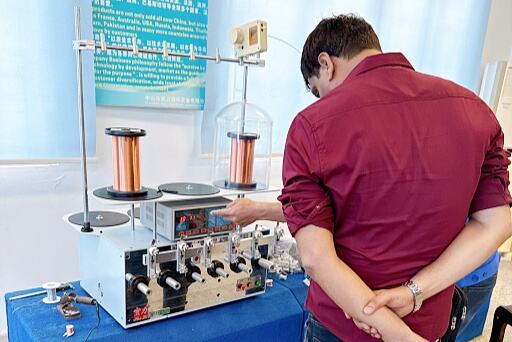
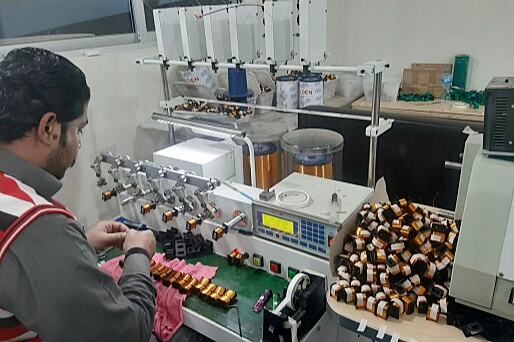
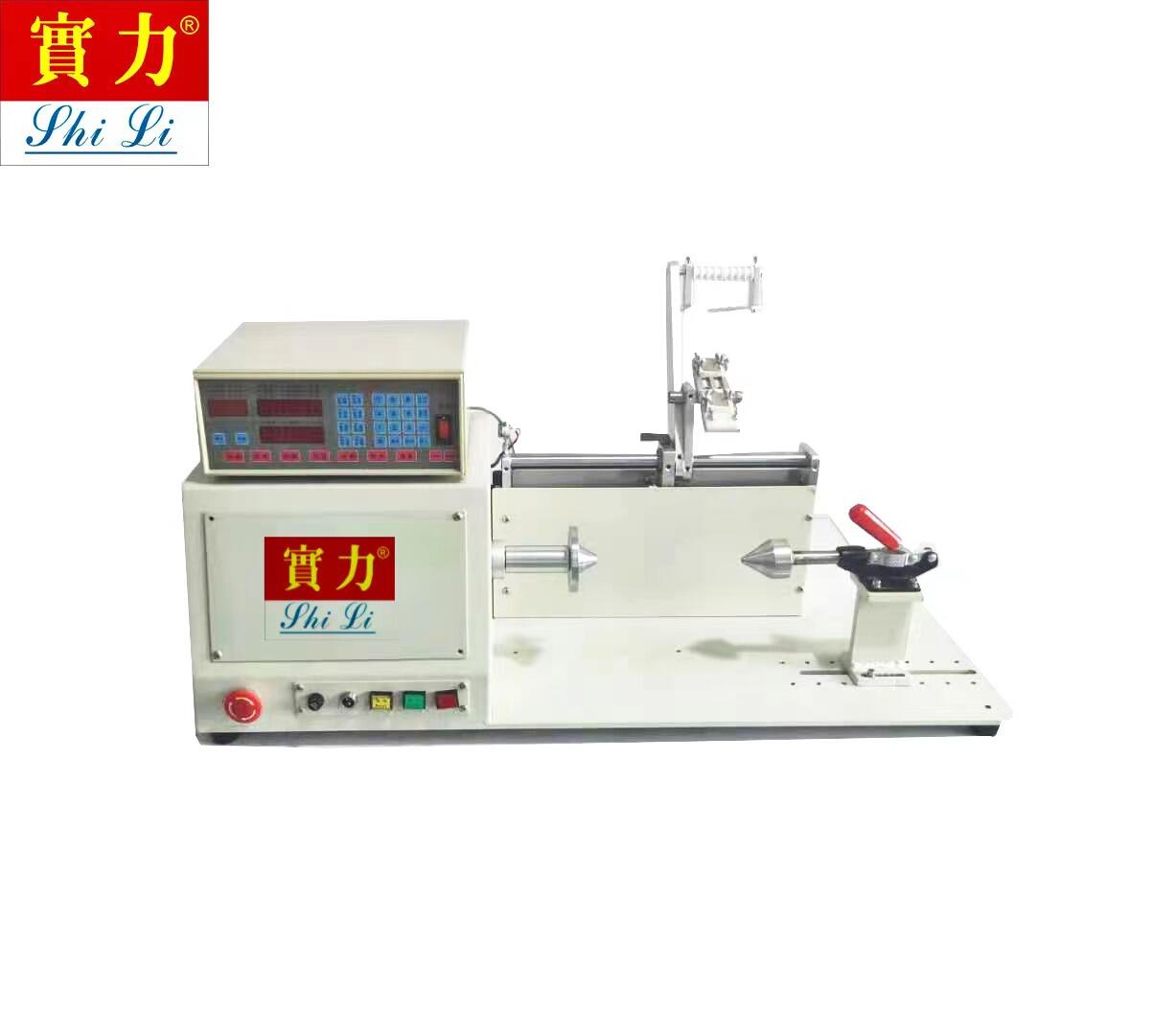
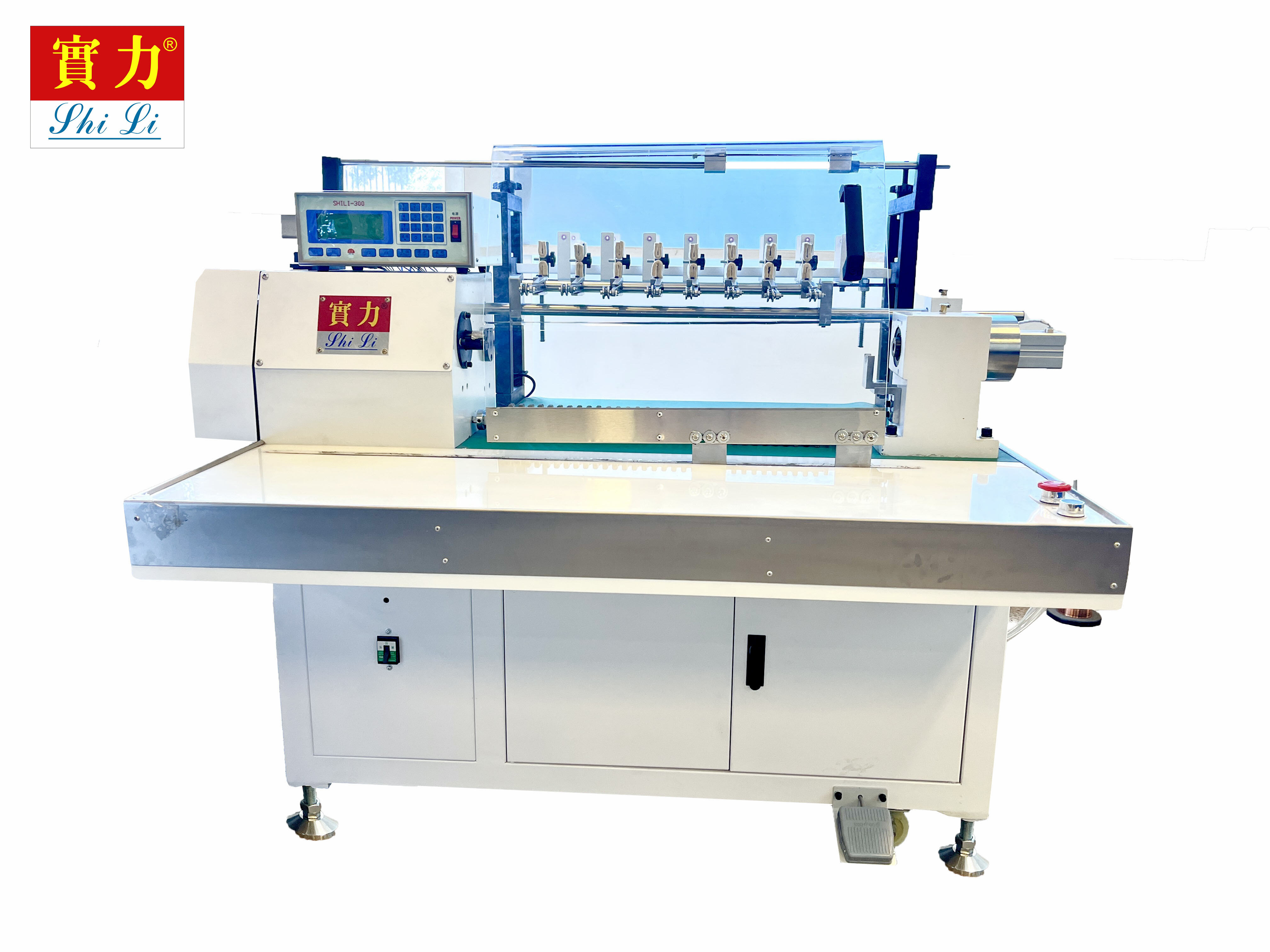
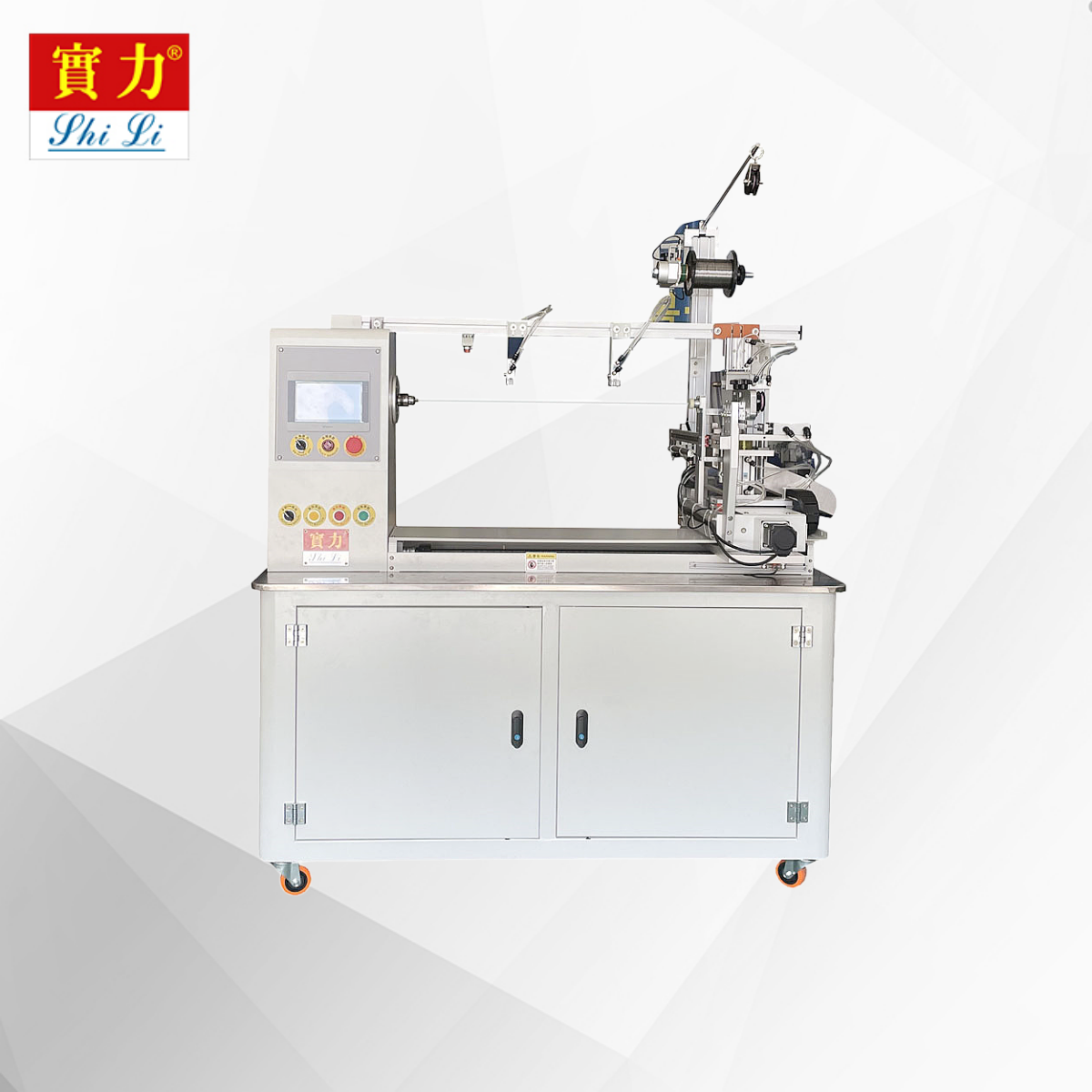
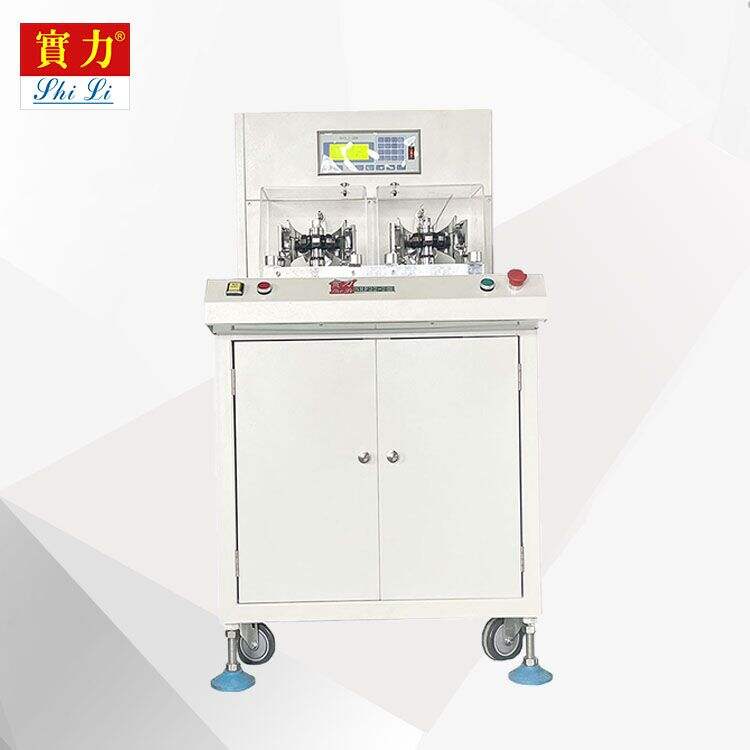
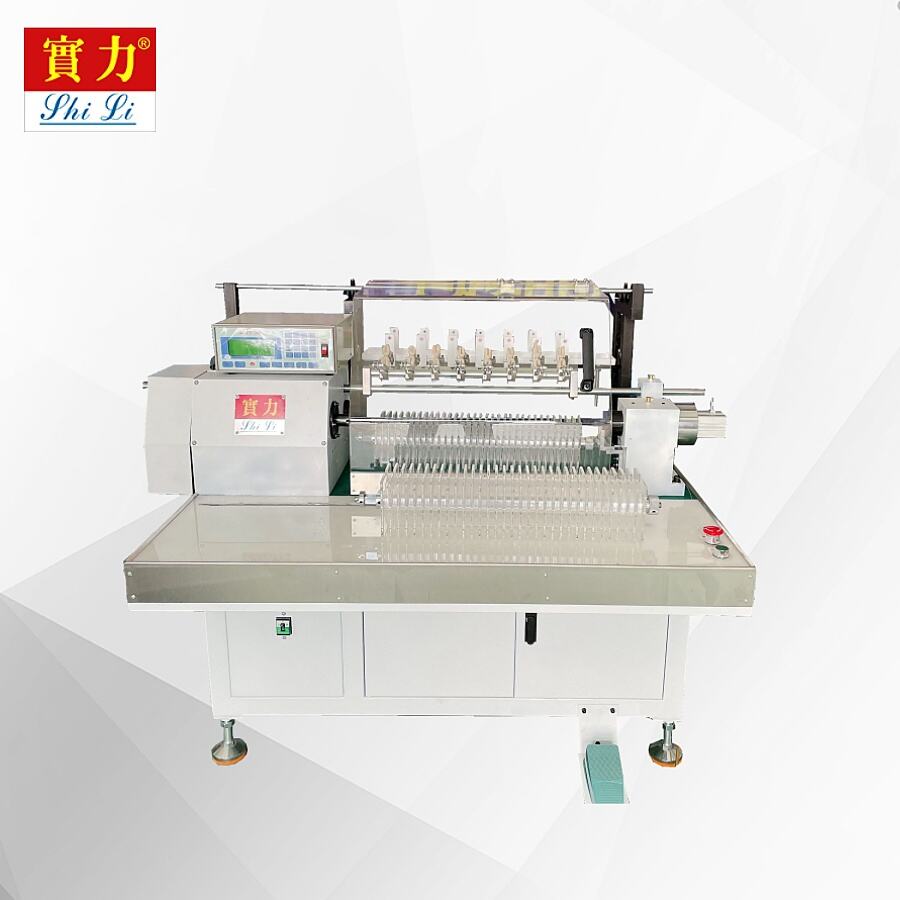
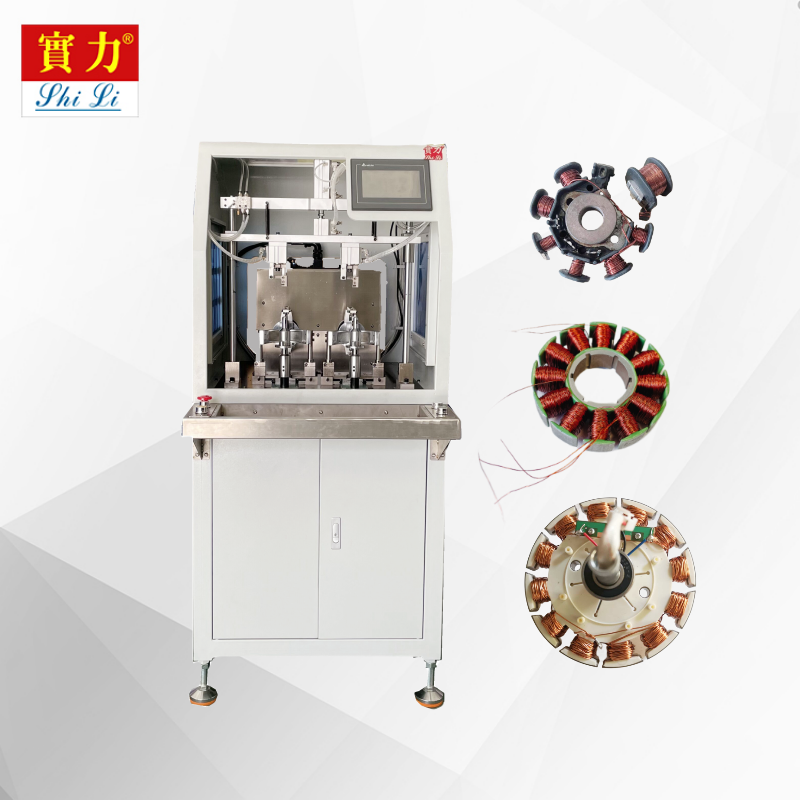
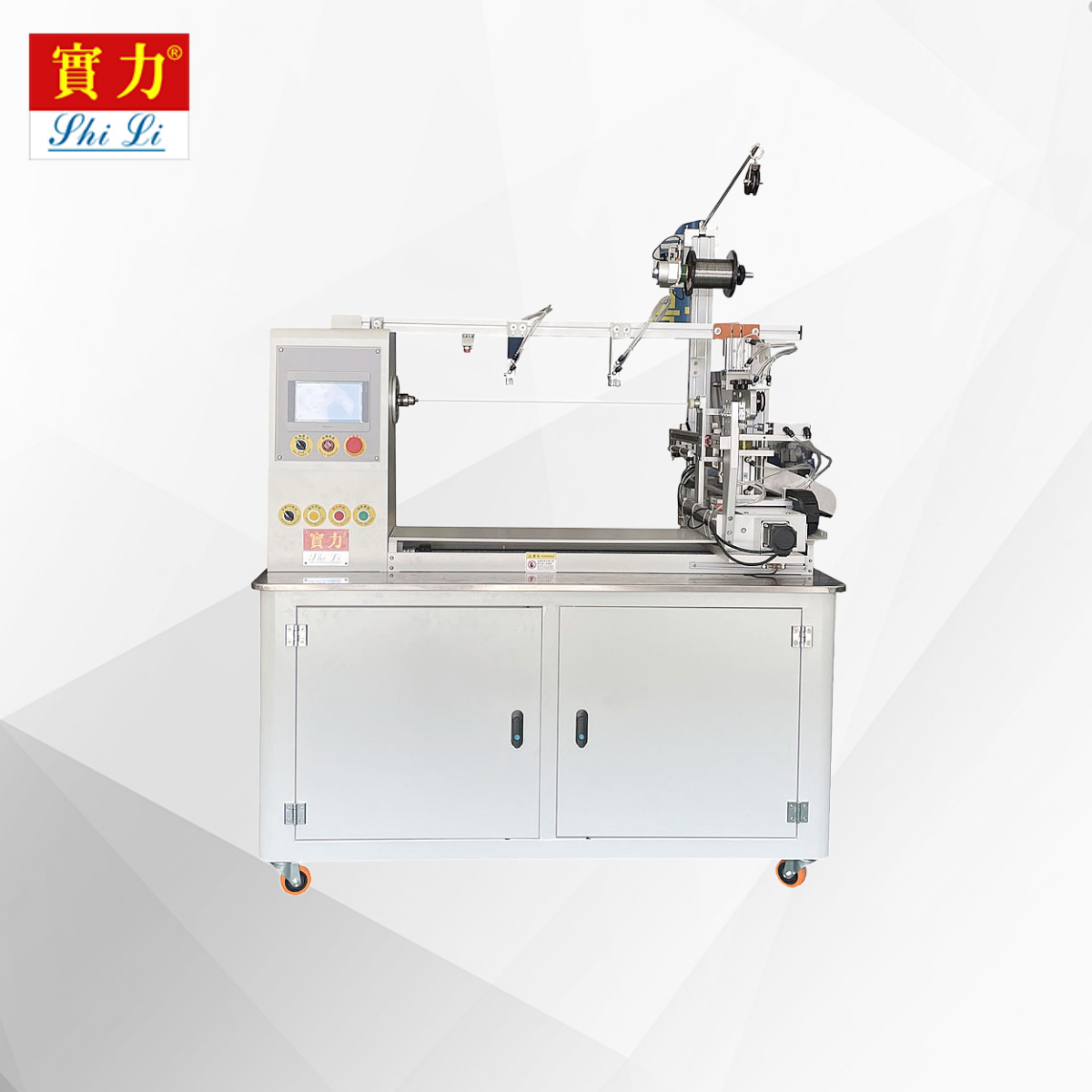
Coil winding equipment represents sophisticated machinery designed to manufacture electromagnetic coils used across various industries and applications. This specialized equipment automates the process of winding copper wire, aluminum wire, or other conductive materials around cores to create inductors, transformers, motors, and other electromagnetic components. Modern coil winding equipment incorporates advanced control systems that ensure precise wire placement, consistent tension control, and accurate layer distribution throughout the winding process. The primary function of coil winding equipment involves feeding wire from supply spools through tension control mechanisms onto rotating spindles or mandrels. These machines can handle multiple wire gauges simultaneously and accommodate various core shapes including cylindrical, rectangular, and custom geometries. Advanced models feature programmable logic controllers that store winding patterns, automatically adjust parameters, and monitor production quality in real-time. Technological features of contemporary coil winding equipment include servo-driven motors for precise positioning, automatic wire feeding systems, programmable tension control, and integrated quality monitoring sensors. Many units incorporate touchscreen interfaces that simplify operation and enable quick pattern changes. Safety features such as emergency stops, wire break detection, and protective enclosures ensure operator protection during operation. The equipment finds extensive applications in manufacturing industries producing electrical transformers, automotive components, aerospace systems, renewable energy equipment, and consumer electronics. Manufacturers utilize coil winding equipment to produce everything from small sensor coils to large power transformer windings. The versatility of modern coil winding equipment allows production facilities to handle diverse product lines while maintaining consistent quality standards and meeting strict dimensional tolerances required in today's competitive markets.

New Product Releases

Coil winding equipment delivers substantial productivity improvements that directly impact manufacturing efficiency and profitability. These machines operate continuously with minimal human intervention, producing consistent results at speeds far exceeding manual winding methods. Automated systems eliminate human error while maintaining precise wire placement and tension control throughout extended production runs. This reliability translates into reduced waste, lower rejection rates, and improved overall equipment effectiveness. Cost savings represent another significant advantage of implementing coil winding equipment in manufacturing operations. While initial investment may seem substantial, the long-term financial benefits become apparent through reduced labor costs, minimized material waste, and increased production capacity. Automated systems require fewer operators per unit of output, allowing companies to reallocate human resources to higher-value activities while reducing ongoing operational expenses. Quality consistency stands as perhaps the most compelling advantage of modern coil winding equipment. These machines maintain uniform wire tension, consistent layer distribution, and precise dimensional control that human operators cannot match over extended periods. This consistency results in electromagnetic components with predictable performance characteristics, reducing field failures and warranty claims. Built-in quality monitoring systems detect anomalies immediately, preventing defective products from advancing through production processes. Flexibility in production scheduling becomes achievable with programmable coil winding equipment that stores multiple winding patterns and adjusts parameters automatically. Manufacturers can quickly switch between different product specifications without extensive retooling or operator retraining. This capability enables efficient small-batch production and rapid response to customer demands. Modern equipment accommodates various wire types, core geometries, and winding patterns within single machines, maximizing utilization rates and minimizing floor space requirements. Scalability represents another practical benefit as production volumes increase. Additional coil winding equipment can be integrated into existing production lines without major infrastructure modifications. Standardized interfaces and compatible control systems ensure seamless integration while maintaining consistent quality standards across multiple machines. This scalability allows manufacturers to grow production capacity incrementally rather than requiring large capital investments.

Latest News

Solve Solenoid Valve Coil Production Pain Points for India | Easy Operation Guide

05

Feb

Solve Solenoid Valve Coil Production Pain Points for India | Easy Operation Guide

View More
Bangladesh Client Raves: Efficiency + Stable Quality

05

Feb

Bangladesh Client Raves: Efficiency + Stable Quality

View More
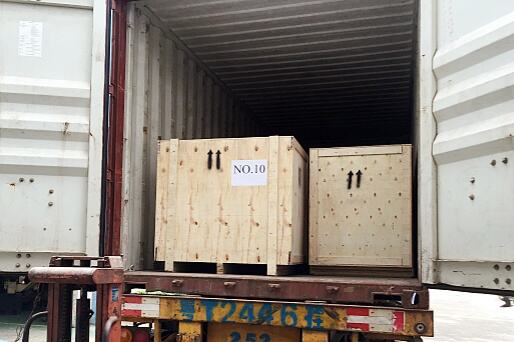
Turkey Full Container Shipment: Rave Reviews & Repeat Orders

05

Feb

Turkey Full Container Shipment: Rave Reviews & Repeat Orders

View More

Get a Free Quote

Our representative will contact you soon.
Email
Name
Company Name
Message
0/1000

coil winding equipment

Advanced Precision Control Technology

Advanced Precision Control Technology

Modern coil winding equipment incorporates state-of-the-art precision control technology that revolutionizes electromagnetic component manufacturing. This sophisticated system utilizes servo-driven motors, high-resolution encoders, and advanced algorithms to achieve unprecedented accuracy in wire placement and tension management. The precision control technology ensures each wire turn is positioned exactly where specified, maintaining consistent spacing and layer distribution throughout the entire winding process. This level of control becomes particularly crucial when manufacturing high-performance components where even minor variations can significantly impact electrical characteristics. The system continuously monitors and adjusts parameters in real-time, compensating for variables such as wire diameter variations, core irregularities, and environmental conditions. Integrated sensors provide feedback on wire tension, position accuracy, and winding quality, enabling immediate corrections when deviations occur. This real-time adjustment capability prevents the accumulation of small errors that could compromise final product performance. Programmable logic controllers store detailed winding recipes that include specific parameters for different product types, allowing operators to switch between configurations quickly and reliably. The precision control technology also incorporates predictive algorithms that anticipate potential issues before they occur, reducing downtime and improving overall equipment effectiveness. Quality assurance becomes inherent in the manufacturing process rather than requiring separate inspection steps. This integrated approach to quality control reduces production costs while ensuring consistent output that meets stringent industry standards. The precision control technology extends equipment lifespan by operating within optimal parameters and preventing mechanical stress that could lead to premature wear. Manufacturers benefit from reduced maintenance requirements, lower operating costs, and improved return on investment. The technology's adaptability allows accommodation of future product requirements without requiring complete equipment replacement, providing long-term value and flexibility for evolving manufacturing needs.
Automated Material Handling System

Automated Material Handling System

The automated material handling system integrated into modern coil winding equipment streamlines production workflows and eliminates manual material handling bottlenecks that traditionally limit manufacturing efficiency. This comprehensive system manages wire feeding, core positioning, and finished product removal without requiring constant operator intervention. The wire feeding mechanism maintains consistent tension while automatically compensating for spool depletion and wire characteristic variations. Multiple wire feeds can operate simultaneously, enabling complex winding patterns and reducing production time for multi-conductor applications. The system includes automatic spool changeover capabilities that prevent production interruptions when wire supplies are depleted. Sensors monitor remaining wire quantities and initiate changeover sequences at predetermined levels, ensuring continuous operation during extended production runs. Core handling automation positions winding mandrels or transformer cores with precise alignment, ensuring consistent winding geometry across all produced units. The system accommodates various core sizes and shapes through programmable positioning sequences that adjust automatically based on selected production recipes. Robotic handling capabilities can manage core insertion, positioning during winding, and removal upon completion. This automation reduces manual handling requirements and improves workplace ergonomics while maintaining consistent quality standards. Finished product removal systems transport completed coils to designated storage or processing areas, preventing accumulation at winding stations that could disrupt production flow. Integration with facility management systems enables automatic inventory tracking and production scheduling coordination. The material handling system incorporates safety features that protect operators while maintaining production efficiency. Emergency stop capabilities, safety interlocks, and protective barriers ensure compliance with industrial safety standards. The automation reduces repetitive manual tasks, lowering the risk of workplace injuries while improving job satisfaction for technical personnel. Production data collection becomes seamless through integrated monitoring systems that track material consumption, production rates, and quality metrics. This information enables continuous improvement initiatives and supports lean manufacturing principles by identifying optimization opportunities and eliminating waste sources throughout the production process.
Versatile Multi-Product Manufacturing Capability

Versatile Multi-Product Manufacturing Capability

The versatile multi-product manufacturing capability of advanced coil winding equipment enables manufacturers to produce diverse electromagnetic components using a single machine platform, maximizing equipment utilization and investment returns. This flexibility addresses the growing market demand for customized products while maintaining efficient production processes. The equipment accommodates an extensive range of wire gauges, from fine magnet wire used in precision sensors to heavy-duty conductors required for power applications. Adjustable tension control systems automatically compensate for different wire characteristics, ensuring optimal winding quality regardless of material specifications. Quick-change tooling systems enable rapid transitions between different core geometries and winding configurations. Modular spindle designs accept various mandrel types, allowing production of cylindrical coils, toroidal transformers, and custom-shaped components without extensive retooling. Programmable winding patterns store unlimited product configurations, enabling efficient switching between different specifications throughout production shifts. The multi-product capability extends to various winding techniques including layer winding, random winding, and specialized patterns for specific applications. Advanced programming interfaces allow operators to create custom winding sequences for unique product requirements, supporting innovation and customer-specific designs. The equipment handles both prototype development and high-volume production, making it valuable for companies serving diverse market segments. Quality control systems adapt automatically to different product specifications, maintaining appropriate inspection criteria and acceptance parameters for each configuration. This adaptability ensures consistent quality standards across all product types while reducing setup complexity. Production planning benefits significantly from this versatility as manufacturing schedules can accommodate mixed product runs without efficiency penalties. The ability to produce different products sequentially minimizes work-in-process inventory and enables responsive manufacturing strategies. Training requirements are minimized since operators learn one system capable of producing multiple product types rather than requiring expertise on separate machines. This cross-training capability improves workforce flexibility and reduces dependency on specialized personnel. The multi-product manufacturing capability supports business growth by enabling companies to expand product offerings without proportional increases in capital equipment investments, providing competitive advantages in dynamic market environments while maintaining operational efficiency and quality standards.

Get a Free Quote

Our representative will contact you soon.
Email
Name
Company Name
Message
0/1000
Newsletter
Please Leave A Message With Us