 EN
EN


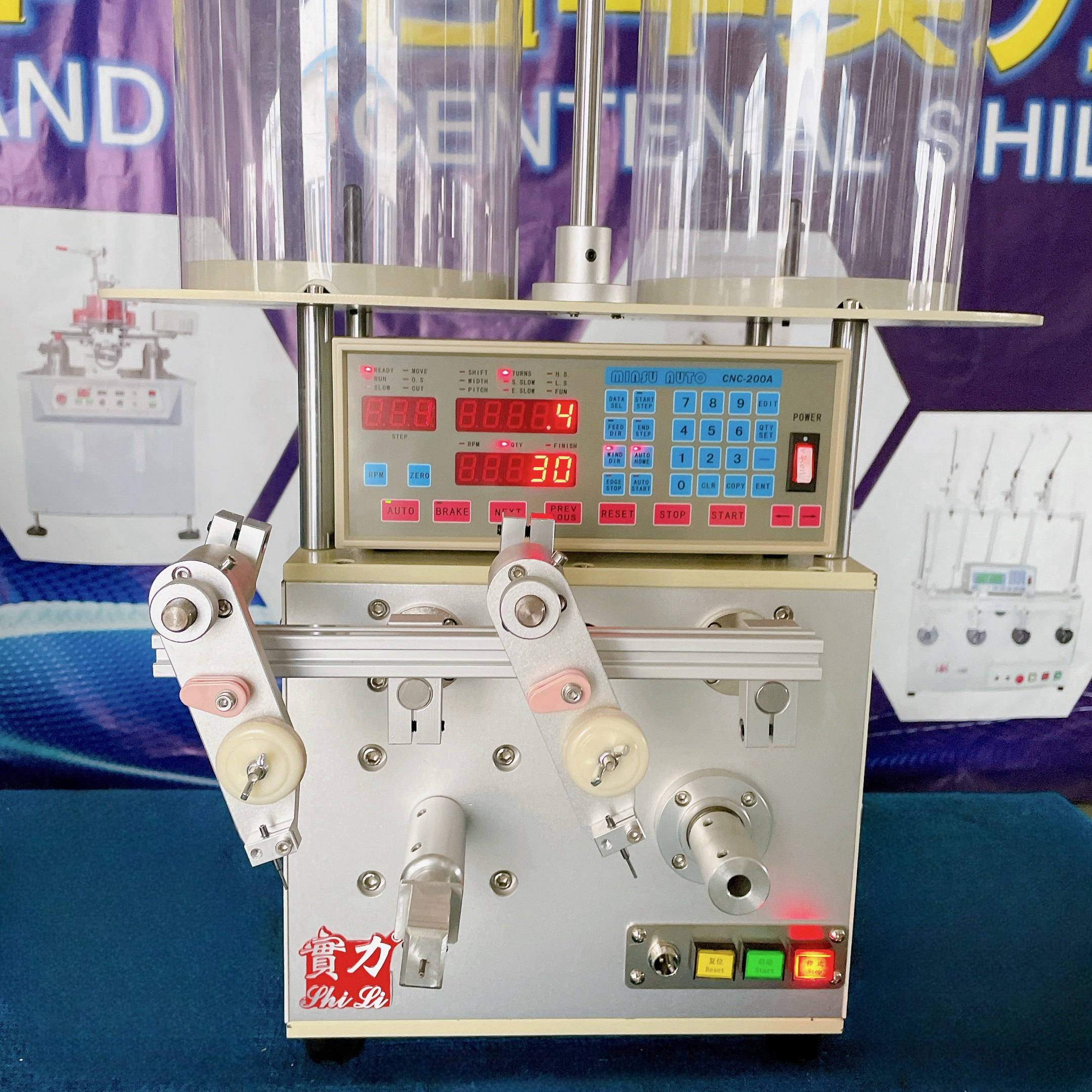
The automatic coil winding machine market offers two dominant mechanical architectures that serve distinct industrial needs: flyer-based systems and needle-based systems. Understanding the core differences between these automatic coil winding machine types is essential for manufacturers selecting equipment that aligns with production requirements, precision standards, and cost structures. Each automatic coil winding machine design brings specific advantages and limitations that directly impact coil quality, production speed, material compatibility, and long-term operational efficiency.
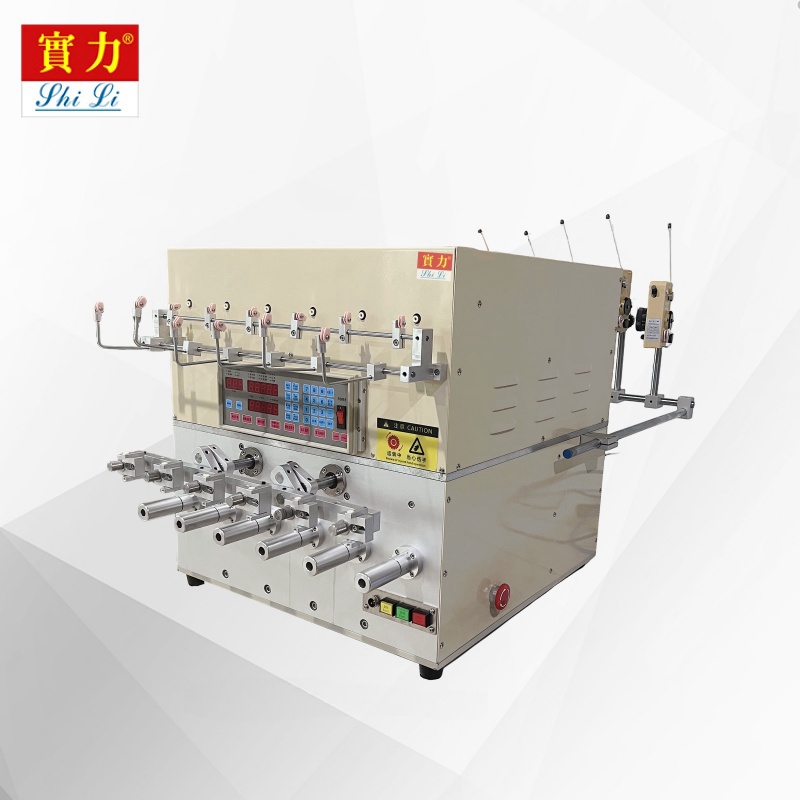
Industrial buyers often face confusion when comparing automatic coil winding machine configurations because both technologies can produce quality coils, yet their operational mechanics, speed profiles, and suitability vary significantly. This comparison examines the mechanical principles, performance characteristics, and practical applications that distinguish flyer-based automatic coil winding machine systems from needle-based designs, enabling informed equipment selection decisions.
Mechanical Architecture and Operating Principles
Flyer-Based Automatic Coil Winding Machine Design
Flyer-based automatic coil winding machine systems use a rotating arm or carousel mechanism to traverse wire across a stationary or rotating bobbin. In this automatic coil winding machine configuration, the flyer mechanism actively guides wire distribution as it rotates around the coil form, creating layered wraps with each revolution. The flyer-style automatic coil winding machine achieves consistent pitch and wire spacing through mechanical synchronization between flyer rotation speed and bobbin revolution cycles, making this automatic coil winding machine particularly effective for standard wire gauges and conventional coil geometries.
Needle-Based Automatic Coil Winding Machine Design
Needle-based automatic coil winding machine architectures employ a reciprocating needle or guide that moves linearly across the coil form while wire feeds through a central capstan. This automatic coil winding machine style maintains wire tension through the needle guide, enabling precise control over wire placement without requiring flyer rotation. Needle automatic coil winding machine systems excel at handling fragile, ultra-fine, or specialty wire materials because the linear guidance eliminates centrifugal forces associated with rotating flyers, making needle-type automatic coil winding machine the preferred choice for delicate conductor applications.
Performance Characteristics and Production Metrics
Speed and Throughput Differences
Flyer automatic coil winding machine systems typically achieve higher rotational speeds because centrifugal momentum assists continuous wire distribution across expanding coil diameters. The automatic coil winding machine flyer architecture scales efficiently from 500 to 3000 revolutions per minute depending on coil size and wire gauge. Needle automatic coil winding machine technology operates at more moderate speeds, typically 300 to 1500 revolutions per minute, because reciprocating needle motion requires controlled acceleration and deceleration to maintain precision. For high-volume commodity coil production, the automatic coil winding machine flyer configuration often delivers superior throughput, while needle automatic coil winding machine systems prioritize precision and material compatibility over raw speed.
Precision and Coil Quality
Needle automatic coil winding machine designs deliver superior dimensional consistency and tighter wire pitch control because linear motion eliminates the geometric variation inherent to rotating flyer mechanisms. The automatic coil winding machine needle style achieves pitch tolerances within 0.05 millimeters on precision coils, making needle-based automatic coil winding machine systems preferred for aerospace, medical device, and telecommunications applications. Flyer automatic coil winding machine configurations produce acceptable quality for most industrial applications but exhibit slightly higher pitch variation due to centrifugal effects and bobbin wobble. The automatic coil winding machine flyer approach remains standard for motor windings, transformer coils, and general-purpose inductors where pitch tolerance ranges of 0.2 to 0.5 millimeters prove acceptable.
Material Compatibility and Application Fit
Wire Material and Gauge Suitability
Flyer automatic coil winding machine technology performs optimally with medium-gauge copper and aluminum wire between 0.2 and 1.5 millimeters diameter, where rotational inertia aids consistent wire advancement. This automatic coil winding machine flyer style struggles with very fine wire below 0.1 millimeters or heavily enameled conductors due to centrifugal stress and drag inconsistency. Needle automatic coil winding machine systems accommodate a broader wire range, from ultra-fine 0.05 millimeter specialty conductors to heavy 3.0 millimeter gauge materials, because the capstan tensioning mechanism applies consistent force independent of rotational effects. The automatic coil winding machine needle configuration also handles brittle, stranded, ribbon-format, and composite conductors that the automatic coil winding machine flyer approach cannot process reliably.
Industry-Specific Applications
Flyer automatic coil winding machine systems dominate motor manufacturing, power transformer production, and industrial inductor fabrication where cost efficiency and established processes take priority. The automatic coil winding machine flyer architecture represents the historical standard, supported by widespread spare parts availability and operator familiarity across generations of manufacturing plants. Needle automatic coil winding machine technology increasingly serves medical device coil production, precision instrumentation, high-frequency transformers, and automotive sensor manufacturing where dimensional accuracy, material sensitivity, and specialized conductor requirements demand superior control. Progressive industries investing in flexible automatic coil winding machine capabilities adopt needle systems to support emerging applications in renewable energy electronics, telecommunication infrastructure, and advanced semiconductor packaging.
Cost, Maintenance, and Long-Term Economics
Capital Investment and Operating Costs
Flyer automatic coil winding machine equipment carries lower initial purchase costs, typically 15 to 30 percent below comparable needle systems, because flyer mechanisms employ simpler rotational bearings and proven mechanical designs. Maintenance expenses for flyer automatic coil winding machine installations remain modest due to minimal moving parts and established service procedures familiar to industrial maintenance technicians. Needle automatic coil winding machine systems require higher capital investment but deliver superior cost-per-coil economics on precision applications because reduced scrap rates and superior first-pass quality offset equipment premiums. The automatic coil winding machine needle technology supports rapid product changeover, enabling small-batch and custom coil production that generates higher profit margins per unit.
Scalability and Production Flexibility
Flyer automatic coil winding machine configurations lock manufacturers into commodity production economics once installed because geometric constraints and speed ranges limit adaptation to changing product specifications. Needle automatic coil winding machine systems exhibit superior flexibility because reciprocating motion, capstan speed control, and programmable needle positioning enable production of diverse coil geometries without mechanical rebuild. Modern needle automatic coil winding machine technology integrates servo motors, touch-screen programming, and digital tension monitoring, facilitating rapid product transitions that protect competitive position in fluctuating markets. Forward-thinking manufacturers increasingly prioritize needle automatic coil winding machine platforms to balance quality requirements with operational agility demanded by contemporary supply chain dynamics.
FAQ
What is the primary operational difference between flyer and needle automatic coil winding machine systems?
Flyer automatic coil winding machine systems use a rotating arm that traverses wire across a stationary bobbin through centrifugal motion, while needle automatic coil winding machine designs employ a reciprocating linear guide that moves across the coil form during fixed-speed bobbin rotation. The automatic coil winding machine flyer approach achieves speed through rotational inertia, whereas the automatic coil winding machine needle style achieves precision through controlled linear motion and capstan tensioning.
Which automatic coil winding machine type should handle fine gauge or specialty wire materials?
Needle automatic coil winding machine technology is the superior choice for fine gauge wire below 0.1 millimeters, enameled conductors, stranded materials, and composite wires because the reciprocating needle mechanism eliminates centrifugal stress and maintains constant tension through capstan control. Flyer automatic coil winding machine systems cannot reliably process these delicate materials due to rotational forces and inconsistent drag that damage specialty conductors.
Which automatic coil winding machine configuration offers better long-term production economics?
Flyer automatic coil winding machine equipment supports lower per-unit costs on high-volume commodity production due to superior speed and minimal maintenance requirements. Needle automatic coil winding machine systems deliver superior economics on precision and custom coil applications because reduced scrap rates, higher first-pass quality, and rapid product changeover capabilities generate better profit margins that offset higher capital costs.
Table of Contents
- Mechanical Architecture and Operating Principles
- Performance Characteristics and Production Metrics
- Material Compatibility and Application Fit
- Cost, Maintenance, and Long-Term Economics
-
FAQ
- What is the primary operational difference between flyer and needle automatic coil winding machine systems?
- Which automatic coil winding machine type should handle fine gauge or specialty wire materials?
- Which automatic coil winding machine configuration offers better long-term production economics?