Professional Toroid Winder Machine - Advanced Automated Winding Solutions

Get a Free Quote

Our representative will contact you soon.
Email
Name
Company Name
Message
0/1000

toroid winder machine

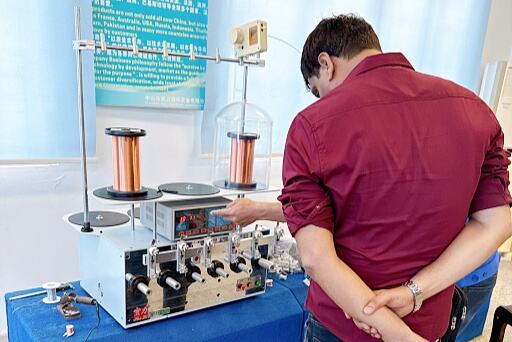
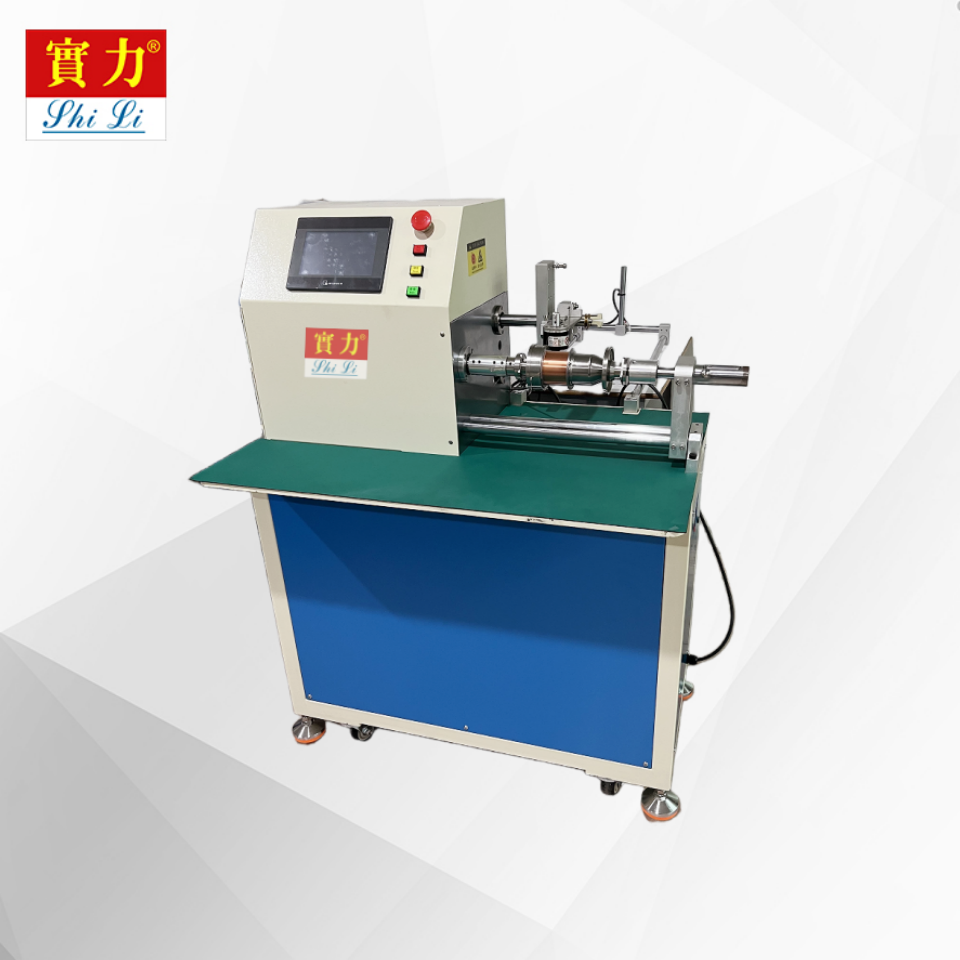
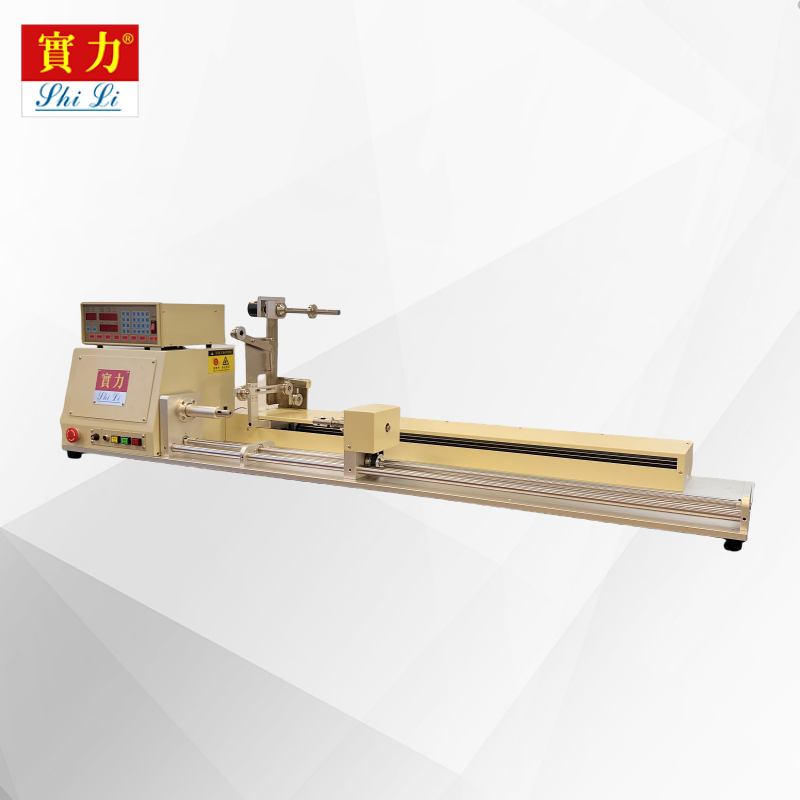
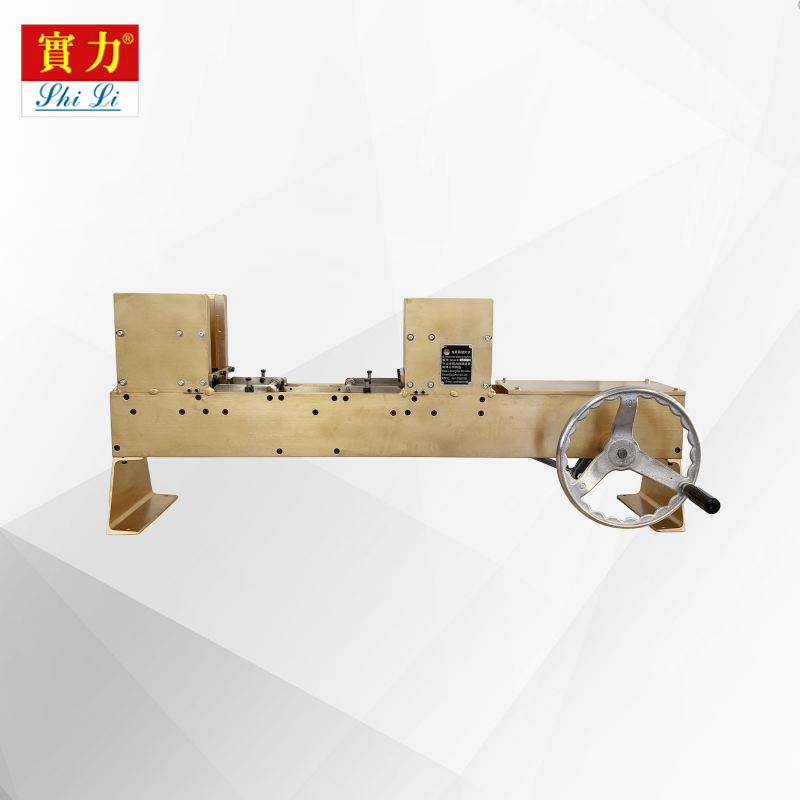
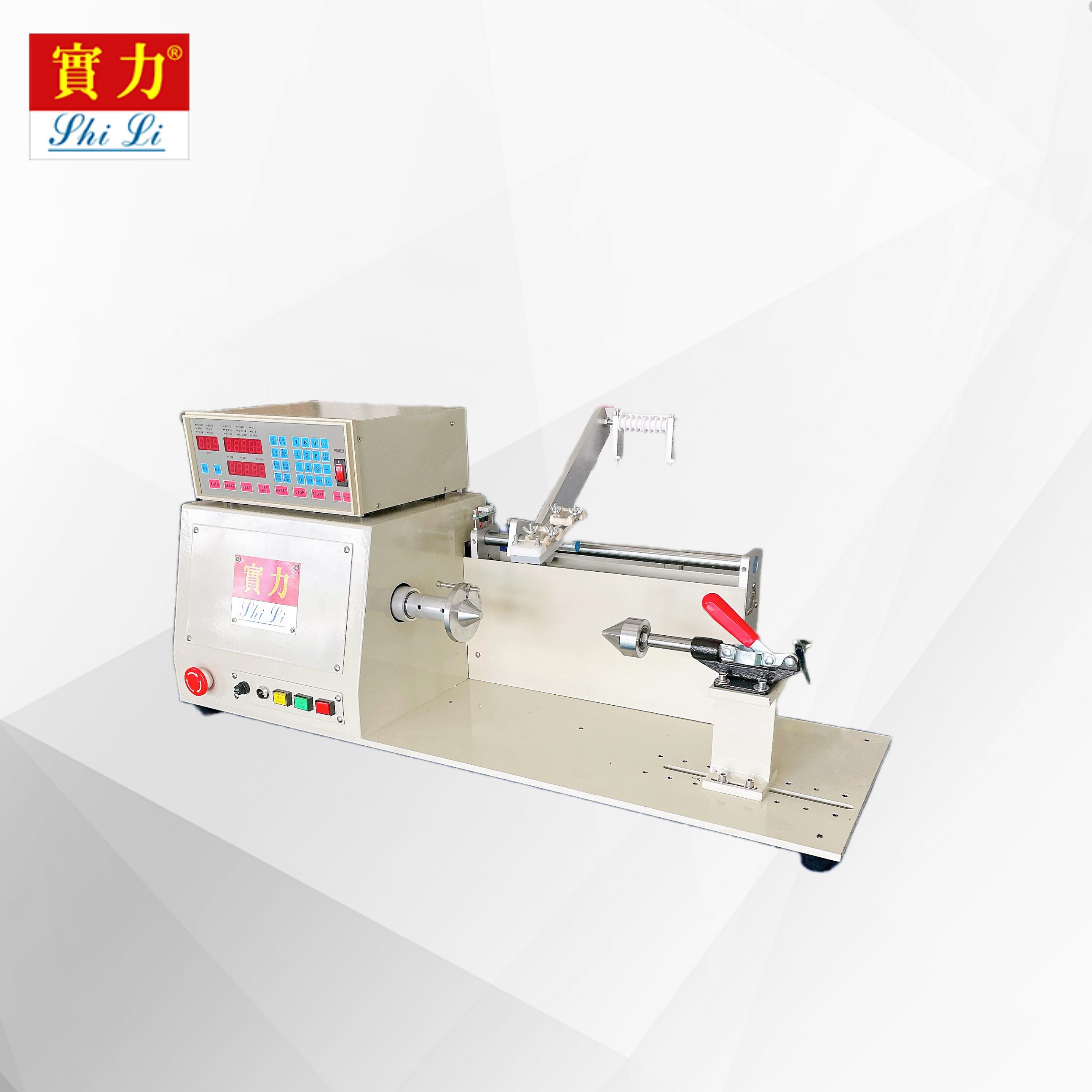
The toroid winder machine represents a sophisticated piece of manufacturing equipment specifically designed to wind wire, cable, or thread around toroidal cores with precision and efficiency. This specialized machinery operates by rotating the toroidal core while simultaneously feeding wire through its center opening, creating uniform windings that are essential for transformers, inductors, and various electromagnetic components. Modern toroid winder machines incorporate advanced automation technologies including programmable logic controllers, servo motors, and digital tension control systems that ensure consistent winding quality throughout the production process. These machines feature adjustable winding speeds, programmable turn counters, and precise wire positioning mechanisms that accommodate different core sizes and wire gauges. The technological framework includes integrated sensors that monitor wire tension, detect breaks, and automatically adjust parameters to maintain optimal winding conditions. Many contemporary models offer multi-spindle configurations that enable simultaneous winding of multiple toroids, significantly increasing production capacity. The control interface typically features user-friendly touchscreen displays that allow operators to input winding specifications, monitor progress, and troubleshoot issues efficiently. Advanced toroid winder machines incorporate wire feeding systems with automatic wire strippers and welding capabilities for seamless start and finish connections. The applications span across various industries including power electronics, telecommunications, automotive systems, renewable energy equipment, and consumer electronics. These machines excel in producing high-frequency transformers, power inductors, current transformers, and choke coils that require precise winding patterns and consistent electrical characteristics. The versatility of modern toroid winder machines allows manufacturers to process various materials including copper wire, aluminum conductors, and specialized alloys while maintaining tight tolerances and quality standards essential for critical electronic applications.

New Product Recommendations

The toroid winder machine delivers substantial operational benefits that directly impact manufacturing efficiency and product quality. First, these machines dramatically reduce production time compared to manual winding methods, with some models completing complex winding patterns in minutes rather than hours. The automated process eliminates human error and ensures consistent tension control throughout each winding cycle, resulting in uniform electrical characteristics across all produced units. This consistency translates to reduced rejection rates and improved overall product reliability. The precision engineering of toroid winder machines enables manufacturers to work with extremely fine wires and tight tolerance requirements that would be impossible to achieve manually. Cost savings become immediately apparent through reduced labor requirements, as a single operator can monitor multiple machines simultaneously while maintaining high production standards. The machines offer remarkable flexibility in handling various toroidal core sizes and shapes, from small ferrite cores used in switching power supplies to large steel cores for power transformers. Material waste decreases significantly due to precise wire cutting and positioning systems that minimize excess wire usage. Quality control improves through built-in monitoring systems that detect anomalies during the winding process and automatically adjust parameters or halt production to prevent defective units. The repeatability factor ensures that each toroidal component meets exact specifications, which is crucial for applications requiring matched electrical characteristics. Energy efficiency represents another significant advantage, as modern toroid winder machines consume less power than traditional winding methods while producing higher output volumes. Maintenance requirements remain minimal due to robust construction and quality components, resulting in extended operational periods between service intervals. The compact footprint of most toroid winder machines allows efficient use of factory floor space while maximizing production capacity. Safety features protect operators from potential hazards associated with wire handling and machine operation, creating a safer working environment. Documentation and traceability capabilities enable manufacturers to maintain detailed production records for quality assurance and regulatory compliance. The return on investment typically occurs within the first year of operation due to increased productivity, reduced labor costs, and improved product quality standards.

Practical Tips

Solve Solenoid Valve Coil Production Pain Points for India | Easy Operation Guide

05

Feb

Solve Solenoid Valve Coil Production Pain Points for India | Easy Operation Guide

View More
Bangladesh Client Raves: Efficiency + Stable Quality

05

Feb

Bangladesh Client Raves: Efficiency + Stable Quality

View More
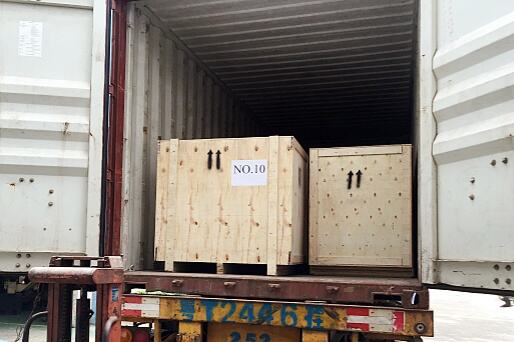
Turkey Full Container Shipment: Rave Reviews & Repeat Orders

05

Feb

Turkey Full Container Shipment: Rave Reviews & Repeat Orders

View More

Get a Free Quote

Our representative will contact you soon.
Email
Name
Company Name
Message
0/1000

toroid winder machine

Advanced Programmable Control Systems

Advanced Programmable Control Systems

Modern toroid winder machines incorporate sophisticated programmable control systems that revolutionize the winding process through intelligent automation and precise parameter management. These advanced control systems feature multi-axis servo motor coordination that ensures perfect synchronization between core rotation, wire feeding, and positioning mechanisms throughout the entire winding cycle. The programmable logic controllers allow operators to create and store multiple winding programs for different toroidal specifications, enabling quick changeovers between production runs without manual recalibration. Touch-screen interfaces provide intuitive access to all machine functions, displaying real-time production data including turn counts, winding speed, wire tension, and cycle completion status. The control systems incorporate adaptive algorithms that automatically adjust winding parameters based on wire diameter, core material, and desired electrical characteristics. Error detection capabilities monitor critical parameters continuously, immediately alerting operators to potential issues such as wire breaks, tension variations, or core positioning problems. These systems maintain comprehensive production logs that track every aspect of the winding process, providing valuable data for quality control and process optimization. The programmable nature allows for complex winding patterns including multiple layers, varied spacing, and specific start-stop positions that meet exacting electrical requirements. Remote monitoring capabilities enable supervisors to oversee multiple machines from a central location, improving overall production efficiency. The control systems support integration with factory automation networks, enabling seamless communication with inventory management systems and production planning software. Diagnostic functions provide detailed troubleshooting information that reduces downtime and maintenance costs. The user-friendly programming interface allows operators with minimal technical training to create and modify winding programs quickly. Safety interlocks built into the control system prevent operation under unsafe conditions and protect both equipment and personnel from potential hazards.
Precision Wire Tension Management

Precision Wire Tension Management

The precision wire tension management system represents one of the most critical technological advances in modern toroid winder machines, ensuring consistent winding quality and optimal electrical performance in finished components. This sophisticated system employs multiple tension sensors positioned strategically along the wire path to continuously monitor and adjust tension levels with remarkable accuracy. The tension control mechanism utilizes servo-driven dancers and electromagnetic brakes that respond instantaneously to variations in wire characteristics, core geometry, or winding speed changes. Advanced feedback loops maintain constant tension throughout the entire winding process, preventing issues such as loose windings, wire stretching, or insulation damage that can compromise component reliability. The system accommodates various wire types and diameters automatically, adjusting tension parameters based on material properties and specified winding requirements. Programmable tension profiles allow different tension levels during various phases of the winding cycle, optimizing performance for specific applications such as high-frequency transformers or power inductors. Real-time tension monitoring displays provide operators with immediate feedback on system performance, enabling proactive adjustments before quality issues develop. The precision control system prevents overwinding stress that can damage delicate cores or cause wire insulation failure. Wire break detection capabilities immediately halt the machine and alert operators, preventing production of defective units and minimizing material waste. The tension management system compensates for wire spool variations, maintaining consistent performance as wire diameter changes throughout the spool. Temperature compensation algorithms account for environmental factors that might affect wire properties and tension requirements. Multiple tension zones can be programmed for complex winding patterns that require different tension levels in various sections of the toroidal component. The system maintains detailed tension logs for quality assurance documentation and process optimization analysis. Calibration procedures ensure long-term accuracy and repeatability of tension control systems, supporting consistent production quality over extended operational periods.
Multi-Core Processing Capabilities

Multi-Core Processing Capabilities

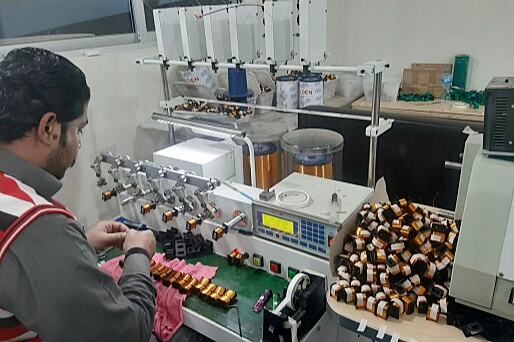
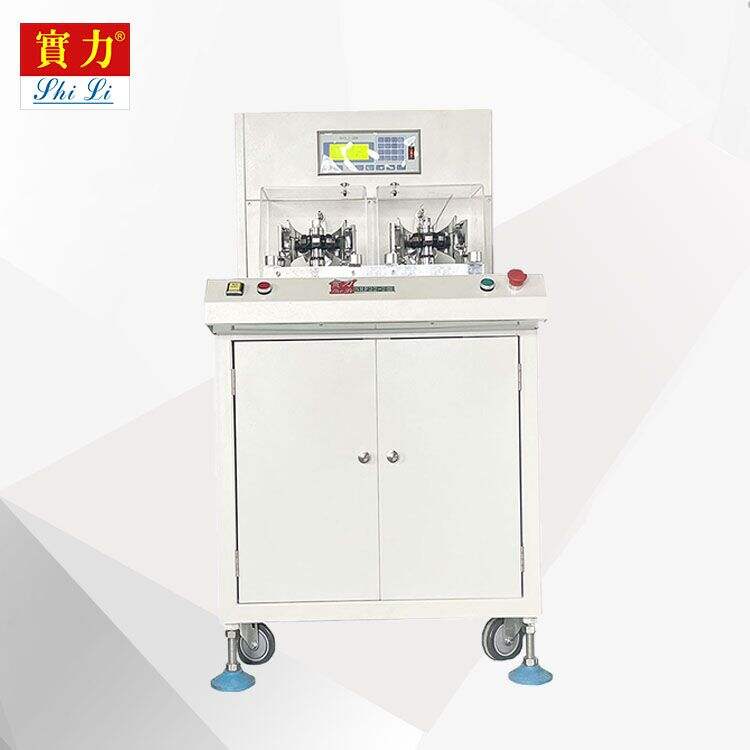
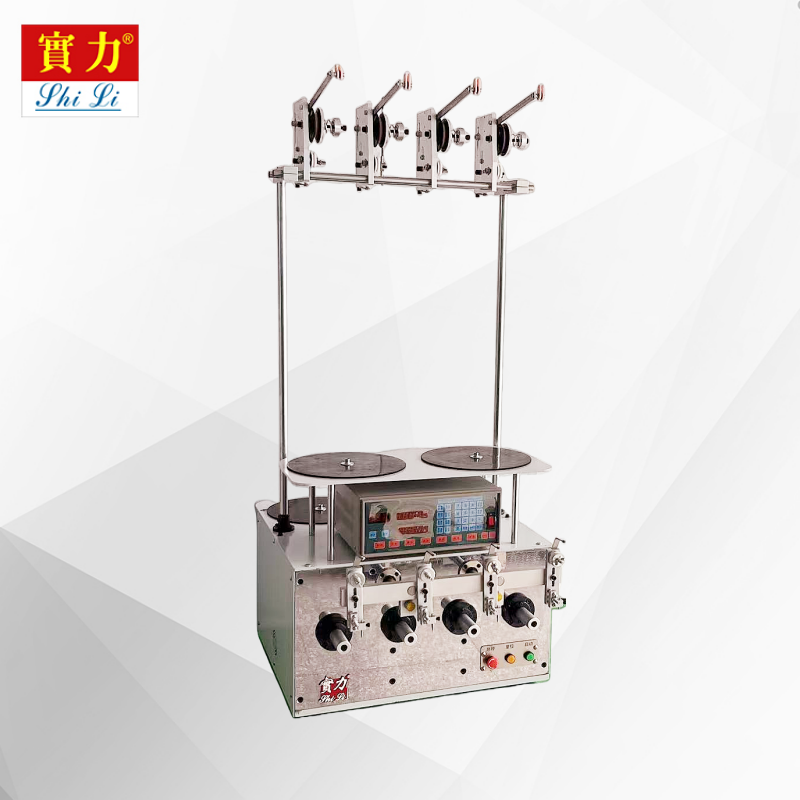
The multi-core processing capabilities of advanced toroid winder machines represent a significant breakthrough in manufacturing efficiency, enabling simultaneous production of multiple toroidal components while maintaining individual quality control for each unit. These sophisticated systems feature independent spindle assemblies that can operate at different speeds and with varying winding parameters, accommodating diverse production requirements within a single machine setup. Each processing core maintains its own wire feeding system, tension control, and monitoring equipment, ensuring that quality standards remain consistent across all simultaneously produced units. The multi-core configuration typically ranges from dual-spindle to eight-spindle arrangements, with some specialized models offering even higher capacity options for high-volume production environments. Independent control systems for each core allow operators to run different winding programs simultaneously, maximizing production flexibility and reducing changeover times between product variants. Load balancing algorithms optimize machine utilization by automatically distributing production tasks across available cores based on complexity and completion times. The system monitors each core independently, providing detailed status information and performance metrics for every production position. Quality control sensors at each processing station ensure that all toroidal components meet specified requirements regardless of simultaneous production activities. Automatic core loading and unloading mechanisms further enhance productivity by minimizing manual intervention and reducing cycle times. The multi-core design incorporates modular components that facilitate maintenance and allow for capacity expansion as production demands increase. Synchronized operations ensure that all cores complete their cycles efficiently while maintaining optimal wire utilization and minimizing waste. The processing capabilities extend to handling different core sizes and materials simultaneously, providing unprecedented production flexibility. Error isolation features prevent issues at one processing core from affecting operations at other stations, maintaining overall system productivity even during troubleshooting activities. Production scheduling algorithms optimize core utilization by analyzing order requirements and automatically assigning jobs to appropriate processing stations. Statistical process control features track performance metrics across all cores, identifying trends and optimization opportunities that enhance overall manufacturing efficiency.

Get a Free Quote

Our representative will contact you soon.
Email
Name
Company Name
Message
0/1000
Newsletter
Please Leave A Message With Us