enrollador de bobinas de alambre
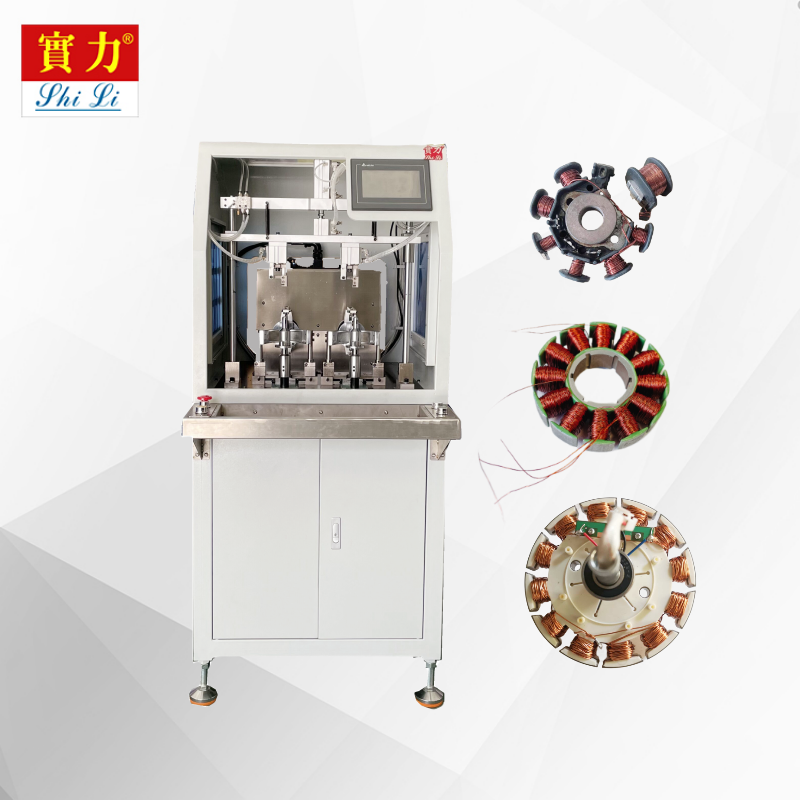
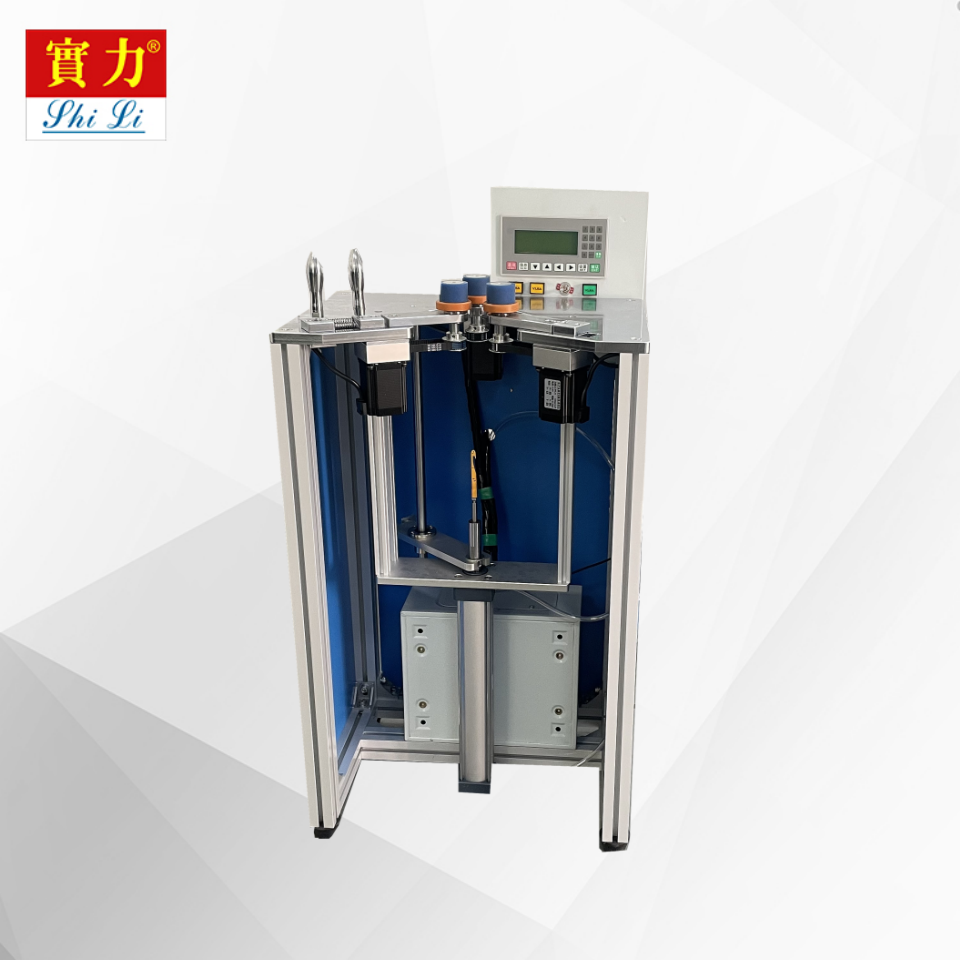
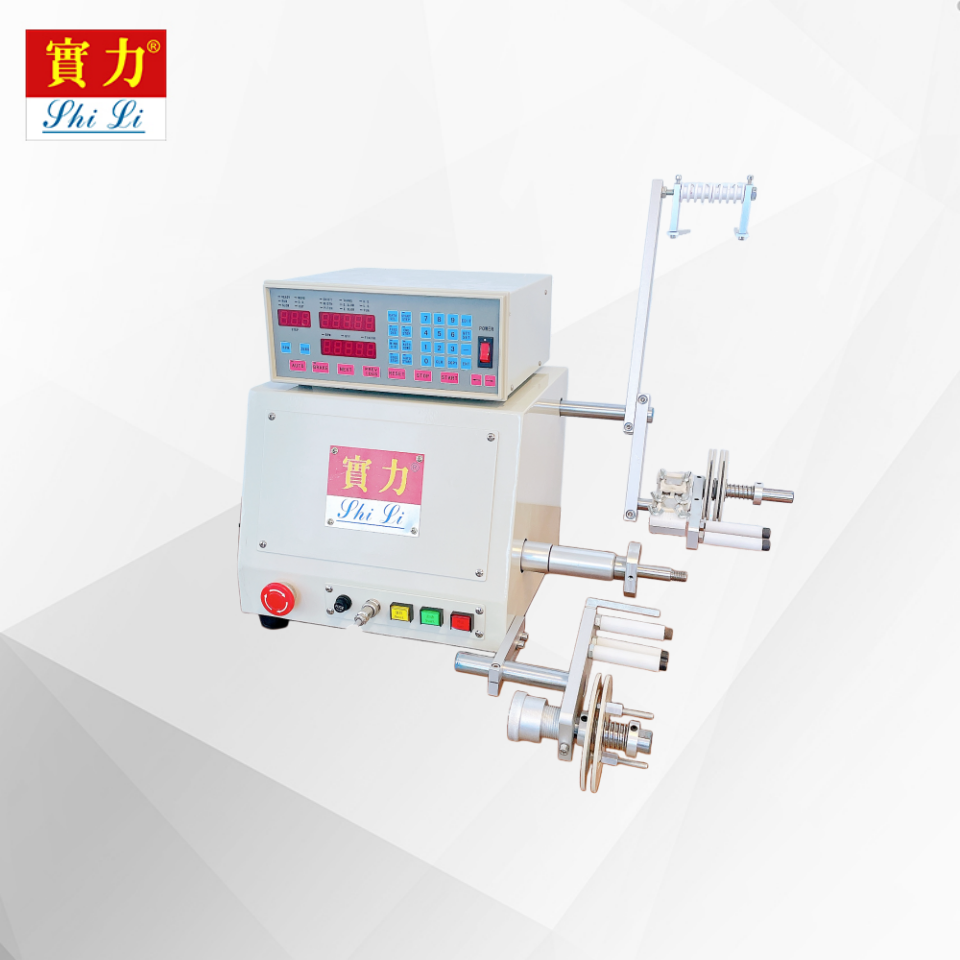
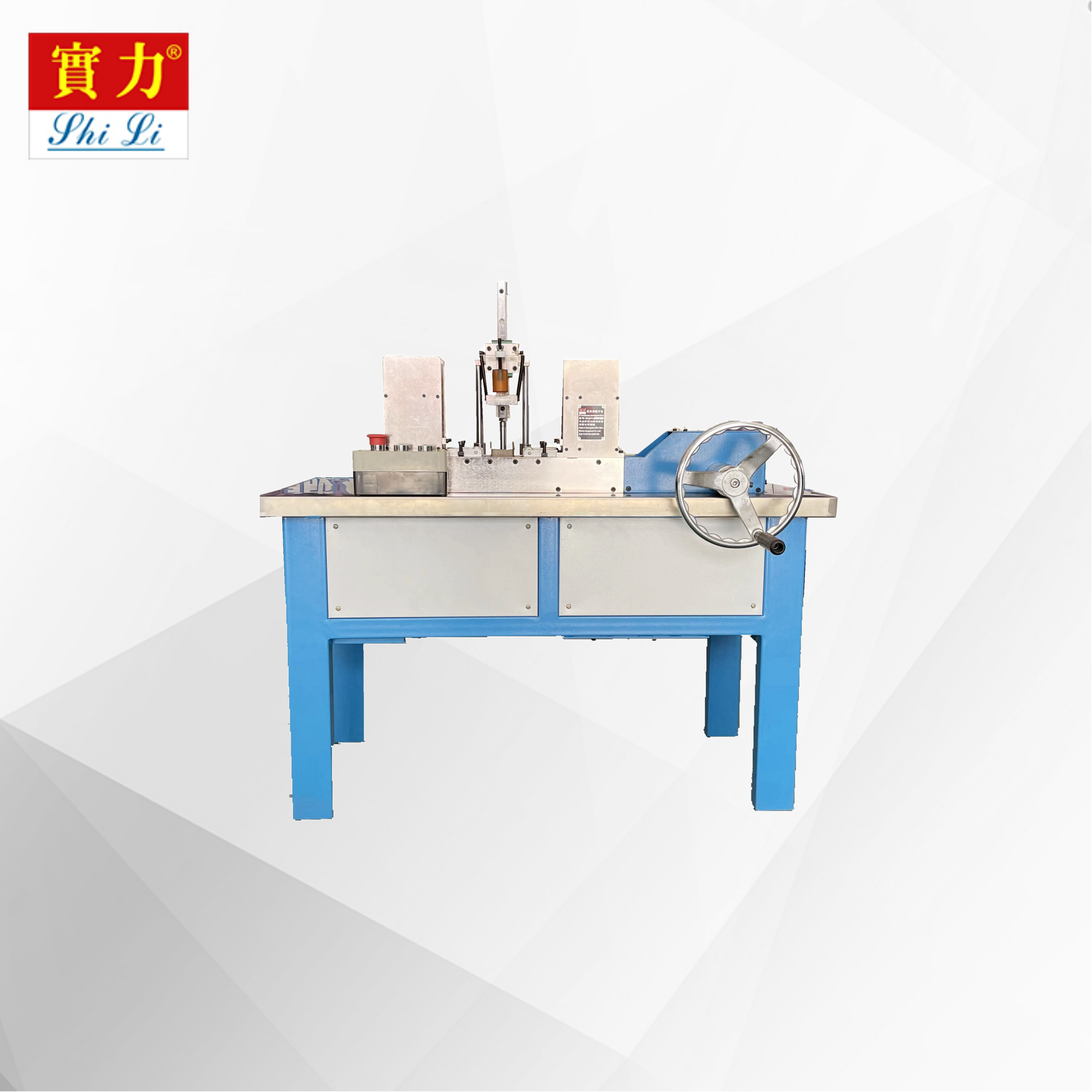
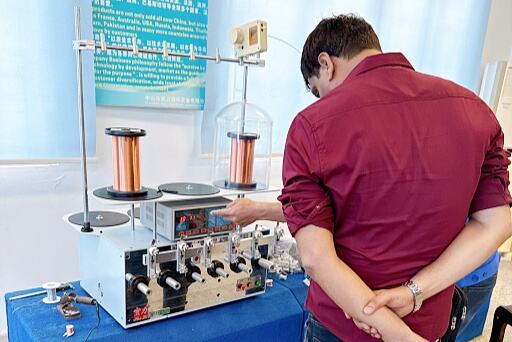
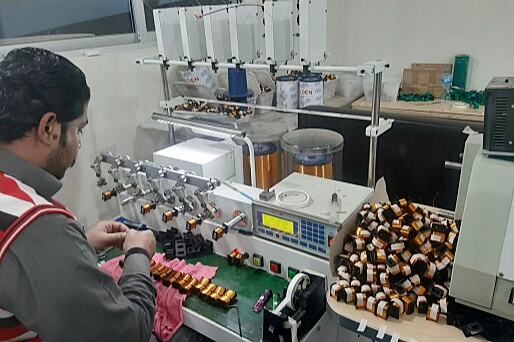
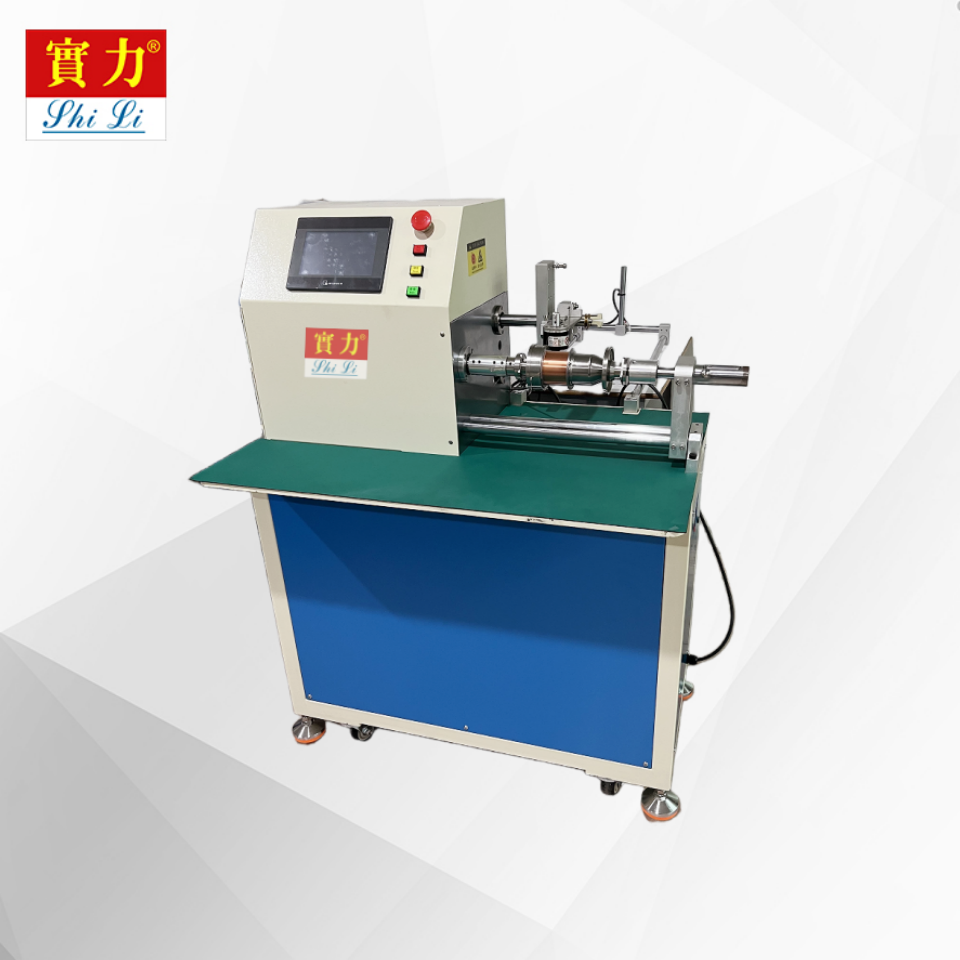
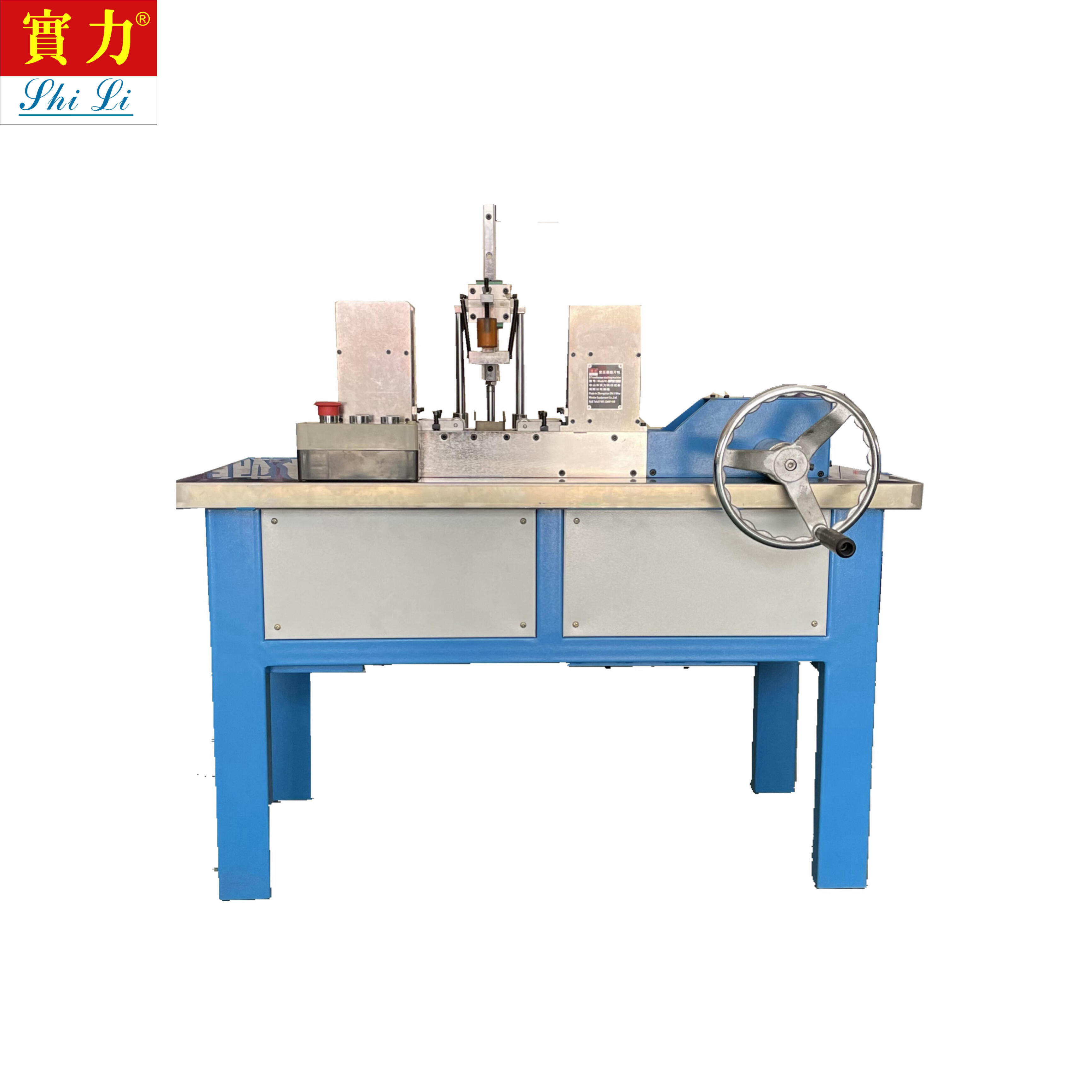
Un devanador de bobinas representa una herramienta esencial de fabricación diseñada para crear bobinas precisas y uniformes a partir de diversos materiales de alambre, como cobre, aluminio y aleaciones especiales. Esta sofisticada máquina automatiza el proceso complejo de enrollar alambre alrededor de mandriles o formas para producir patrones de bobinado consistentes, requeridos en numerosas aplicaciones industriales. El devanador de bobinas opera mediante una combinación de precisión mecánica y sistemas de control electrónico que garantizan la colocación exacta del alambre, el mantenimiento adecuado de la tensión y una distribución uniforme de las capas durante todo el proceso de bobinado. Los sistemas modernos de devanadores de bobinas incorporan avanzados motores servo, controladores lógicos programables (PLC) e interfaces digitales que permiten a los operarios configurar parámetros específicos de bobinado, como el calibre del alambre, el diámetro de la bobina, el número de capas y la velocidad de bobinado. Estas máquinas suelen disponer de sistemas de tensado ajustables que evitan la rotura del alambre mientras mantienen una tensión óptima durante la operación de bobinado. La base tecnológica de un devanador de bobinas incluye conjuntos de husillos de precisión, mecanismos de alimentación de alambre y sistemas de desplazamiento programables que guían la colocación del alambre con una precisión excepcional. Muchos modelos actuales integran interfaces táctiles que simplifican el ajuste de parámetros y ofrecen supervisión en tiempo real del proceso de bobinado. La versatilidad del equipo devanador de bobinas se extiende a múltiples sectores, entre ellos la industria automotriz, la electrónica, las telecomunicaciones y la generación de energía. Estas máquinas producen eficientemente bobinas para transformadores, componentes inductivos, devanados para motores y dispositivos electromagnéticos especializados. Las funciones de control de calidad integradas en los sistemas de devanadores de bobinas incluyen detección de rotura del alambre, verificación del recuento de capas y capacidad de ajuste automático de la tensión, lo que minimiza los defectos de producción y asegura una calidad constante en la salida. La construcción robusta de los equipos profesionales de devanadores de bobinas permite su funcionamiento continuo en entornos de fabricación exigentes, manteniendo al mismo tiempo tolerancias precisas esenciales para aplicaciones críticas que requieren especificaciones de rendimiento electromagnético.

 EN
EN