máquina de devanado de bobinas manual
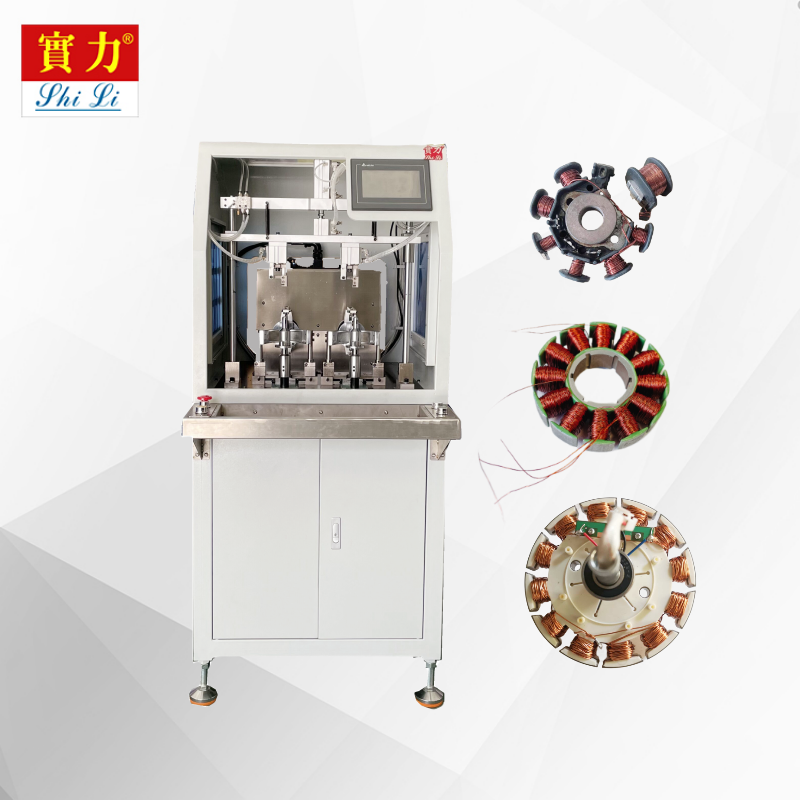
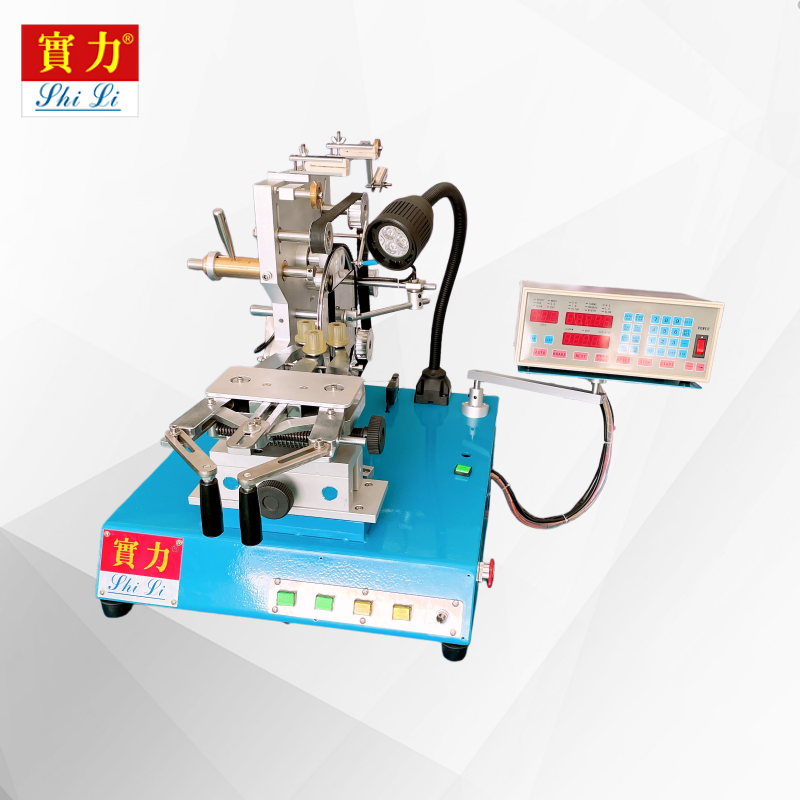
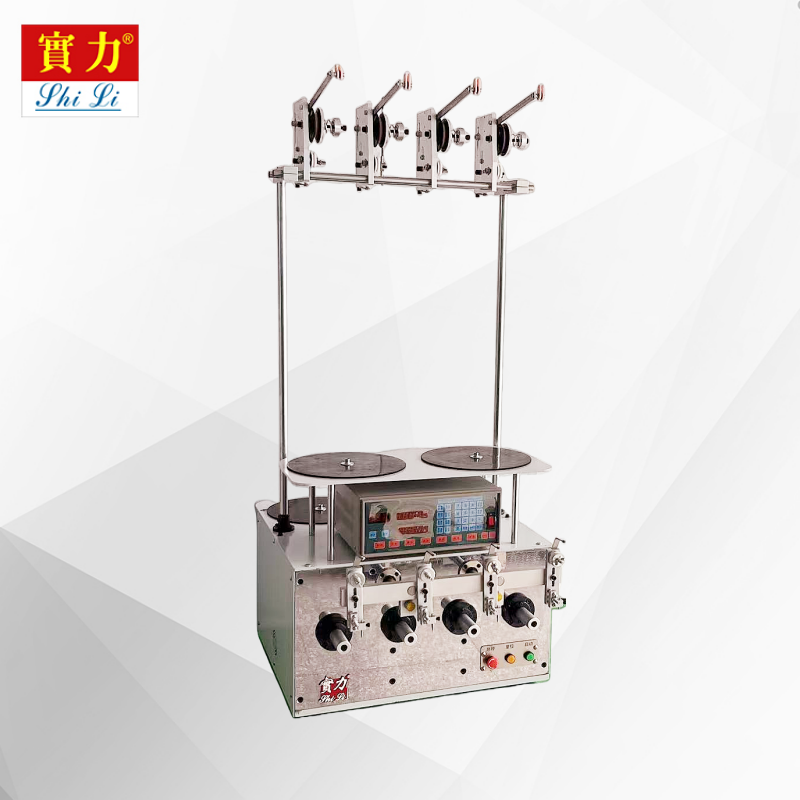
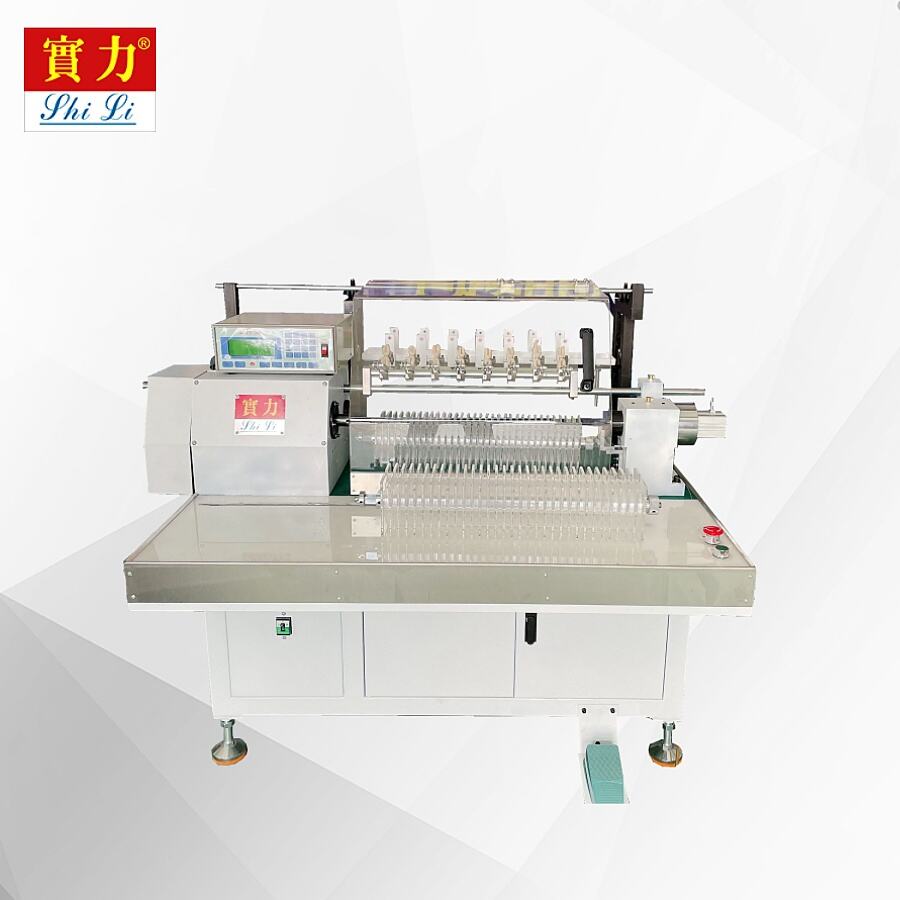
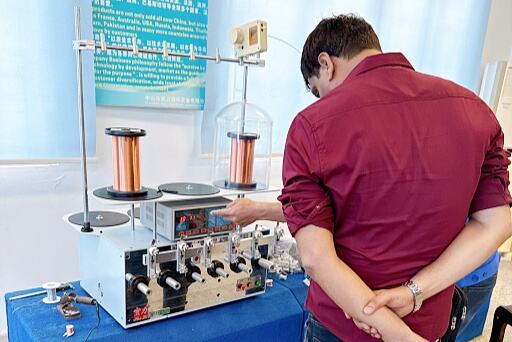
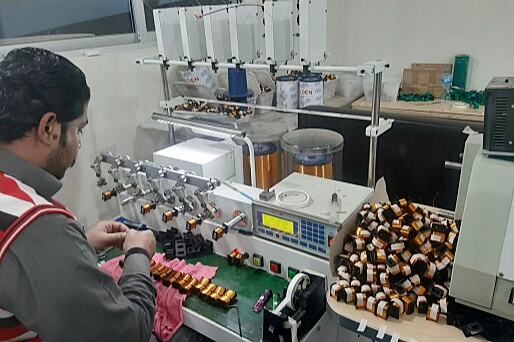
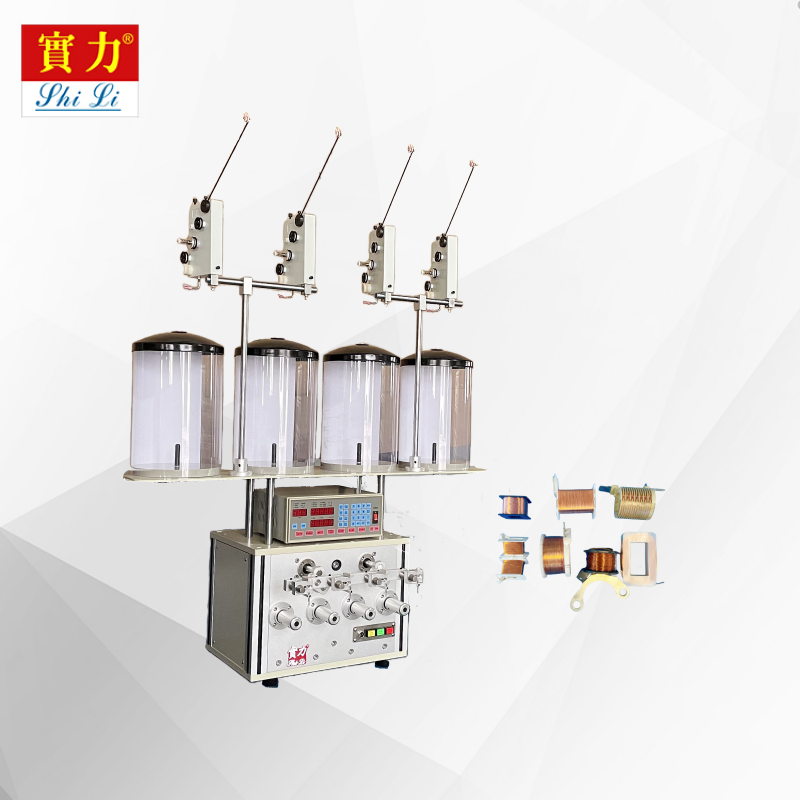
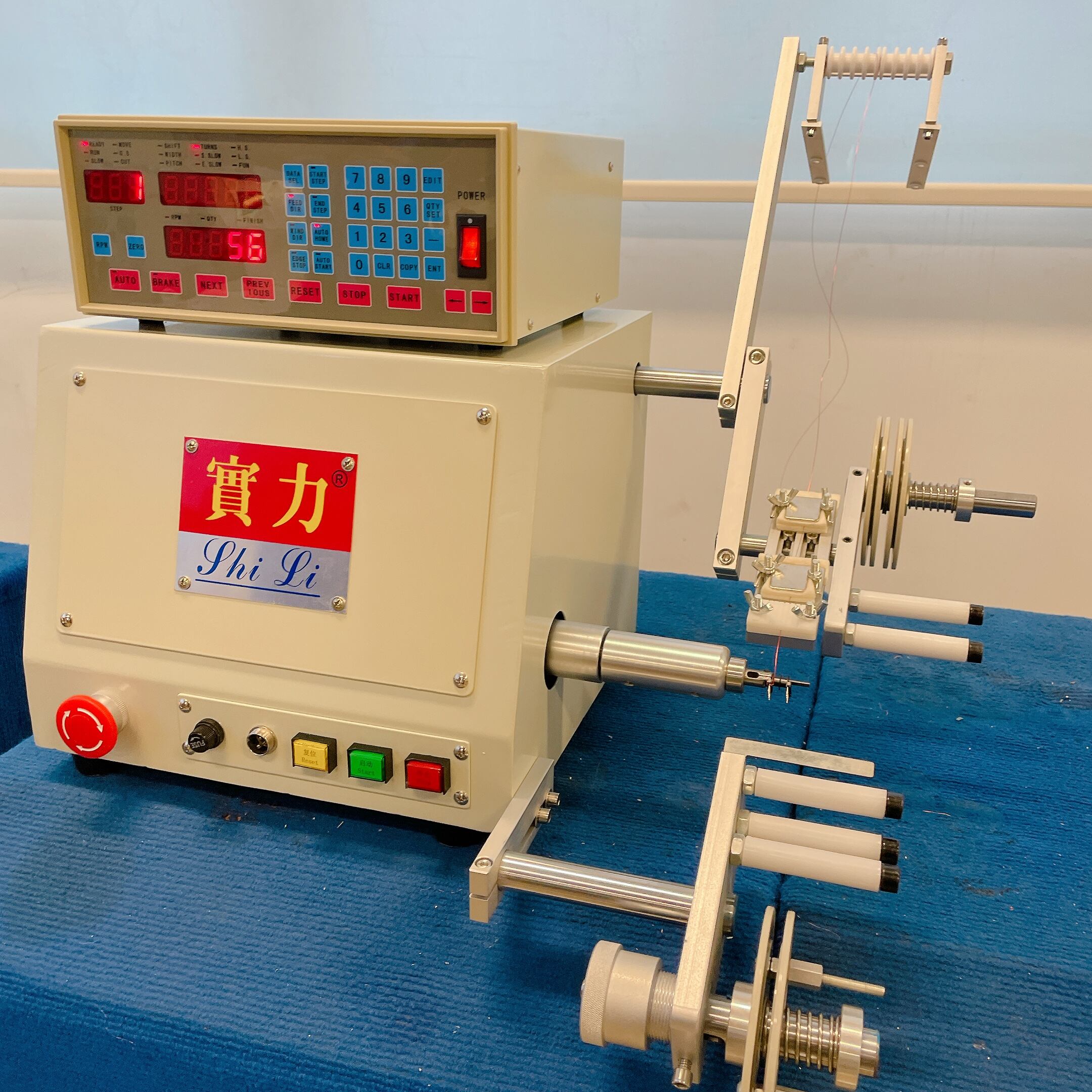
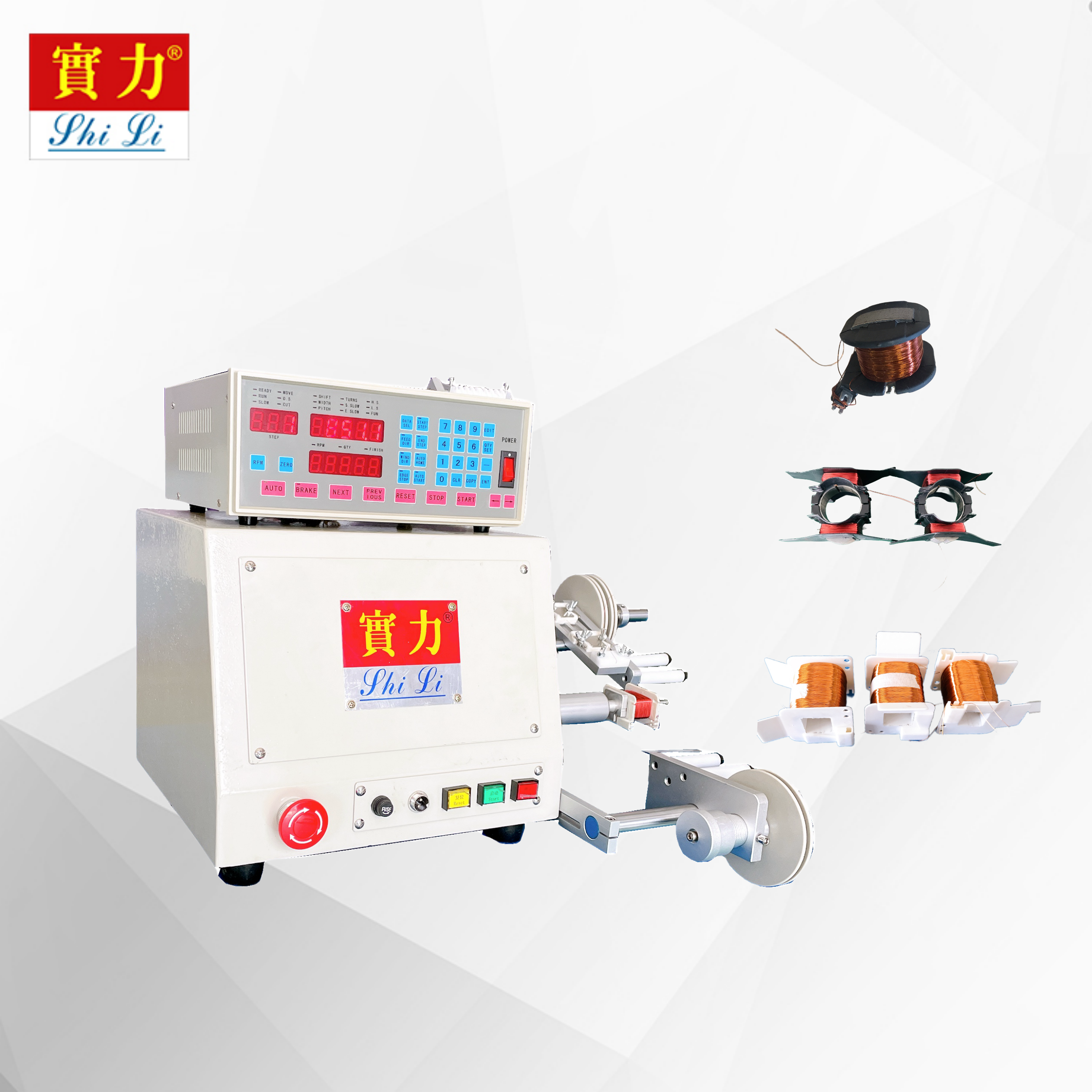
Una máquina manual de devanado de bobinas representa un equipo esencial en la industria manufacturera, diseñada específicamente para crear bobinas precisas destinadas a diversas aplicaciones eléctricas y electrónicas. Este dispositivo especializado funciona mediante mecanismos de control manuales que permiten a los operadores devanar alambre de cobre, alambre de aluminio u otros materiales conductores alrededor de núcleos con una precisión excepcional. La máquina manual de devanado de bobinas constituye una herramienta fundamental para la producción de inductores, transformadores, motores y numerosos componentes electromagnéticos que alimentan la tecnología moderna. Su función principal consiste en convertir alambre recto en formaciones organizadas de bobinas mediante procesos de devanado controlados. Los operadores pueden ajustar los parámetros de tensión, la velocidad de devanado y la dirección para adaptarse a distintos calibres de alambre y especificaciones de bobina. Normalmente, la máquina incorpora un mecanismo de husillo que hace girar el núcleo mientras el alambre se alimenta a través de canales guiados, garantizando un espaciado constante entre las vueltas. La mayoría de las máquinas manuales de devanado de bobinas incluyen guías de alambre ajustables que mantienen una alineación adecuada durante todo el proceso de devanado, evitando solapamientos o distribuciones irregulares. Su marco tecnológico comprende sistemas de conteo de precisión que registran el número de vueltas, lo que permite obtener resultados reproducibles en múltiples series de producción. Los modelos avanzados cuentan con controles programables que almacenan parámetros específicos de devanado para distintos tipos de bobina, agilizando así el proceso de configuración para pedidos repetidos. Su construcción suele basarse en estructuras robustas de acero que aportan estabilidad durante la operación, mientras que los elementos de diseño ergonómico garantizan la comodidad del operador durante periodos prolongados de uso. Los sistemas de tensado del alambre mantienen una fuerza de tracción constante para evitar devanados flojos o roturas del alambre, lo que podría comprometer la calidad de la bobina. La máquina manual de devanado de bobinas encuentra amplias aplicaciones en diversos sectores industriales, como la fabricación automotriz, los sistemas aeroespaciales, los equipos de telecomunicaciones y la producción de electrónica de consumo. Estas máquinas resultan especialmente valiosas en entornos de desarrollo de prototipos, donde la flexibilidad y la posibilidad de realizar cambios rápidos en la configuración son fundamentales para probar distintas configuraciones de bobina.

 EN
EN