Advanced Coil Winding Machine for Transformers - Precision Manufacturing Solutions

Get a Free Quote

Our representative will contact you soon.
Email
Name
Company Name
Message
0/1000

coil winding machine for transformers

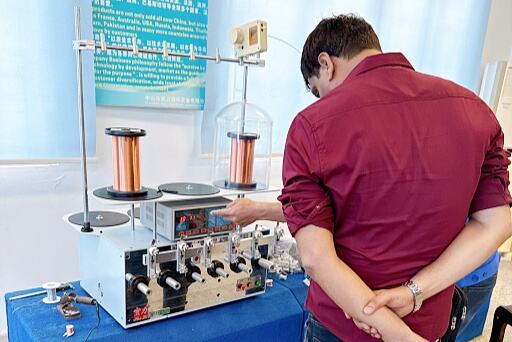
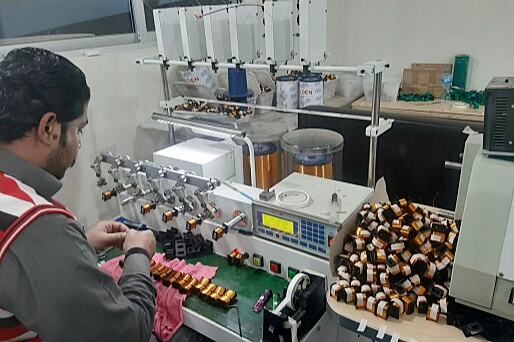
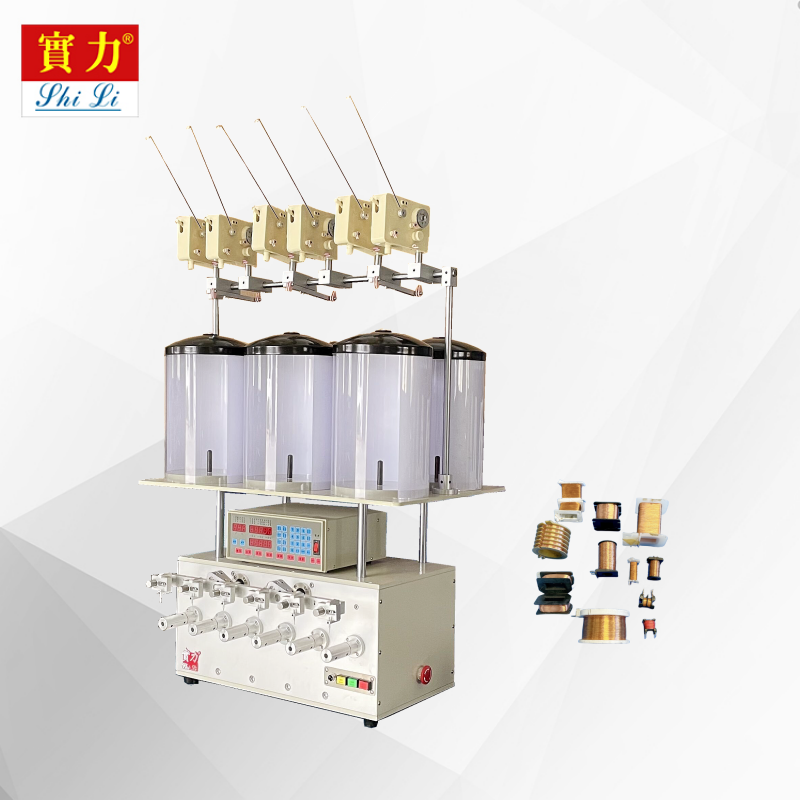
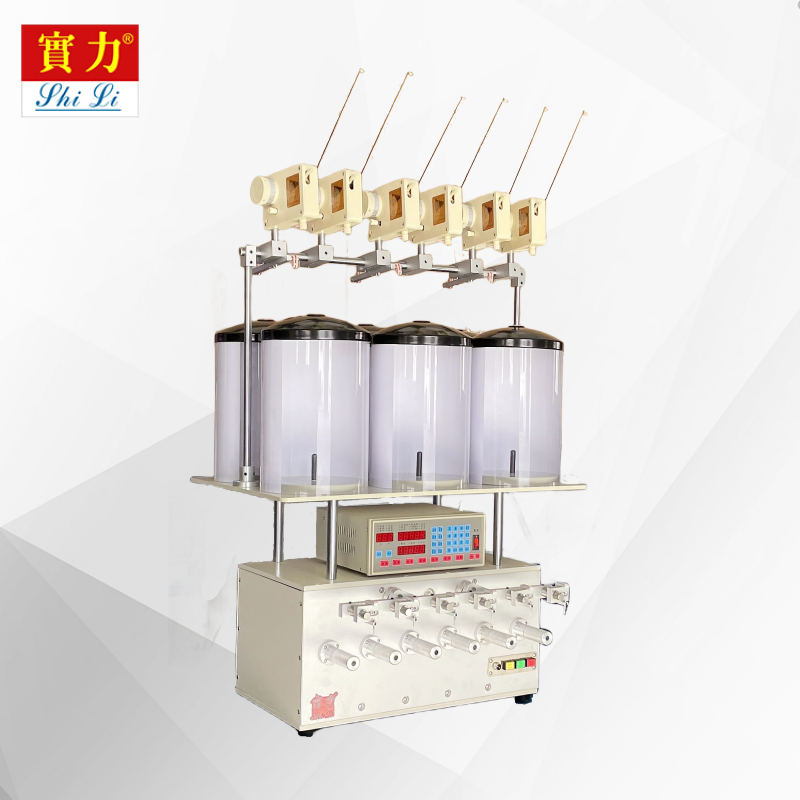
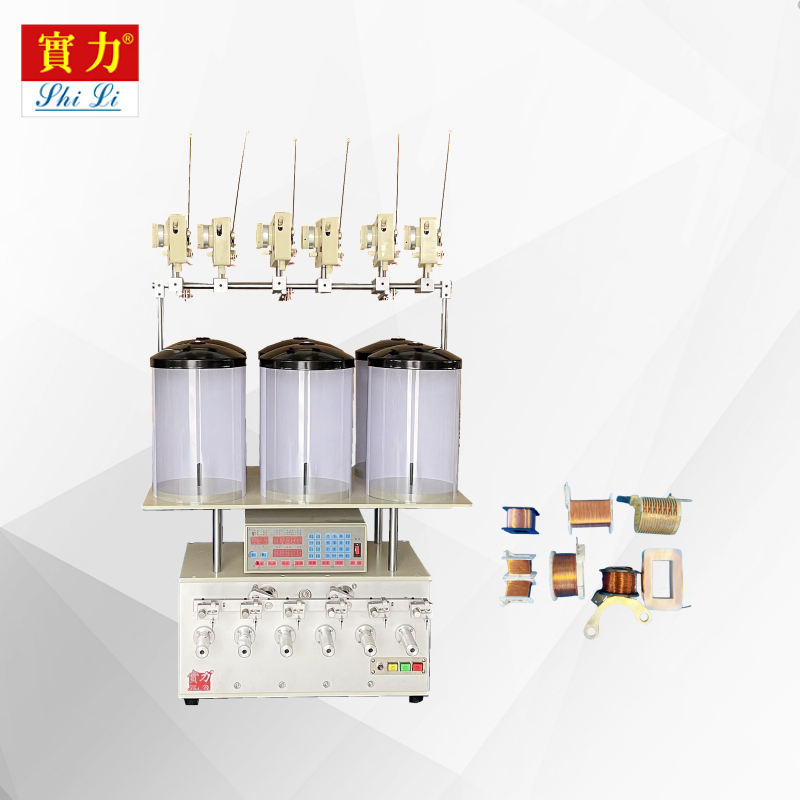
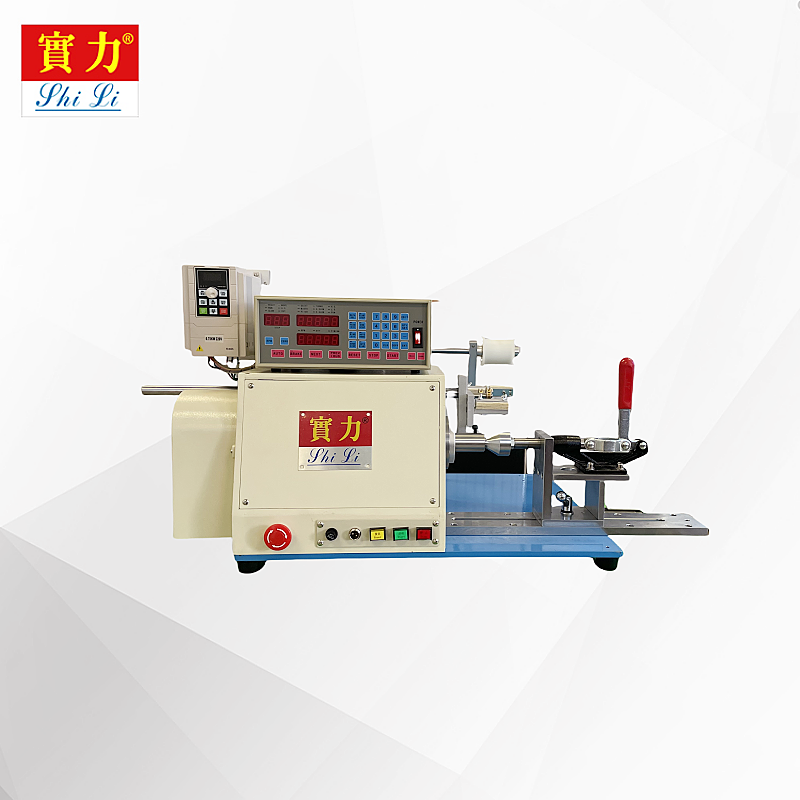
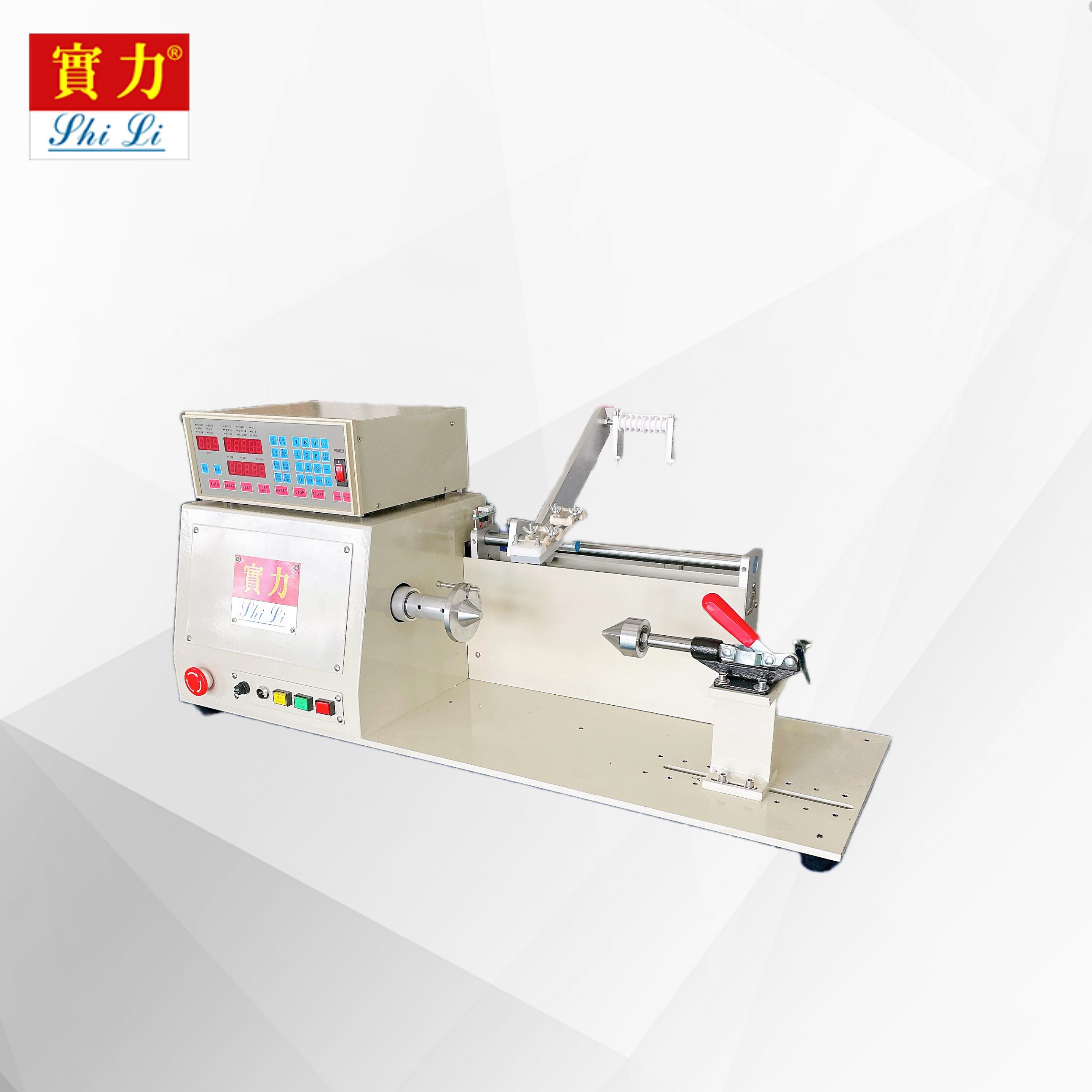
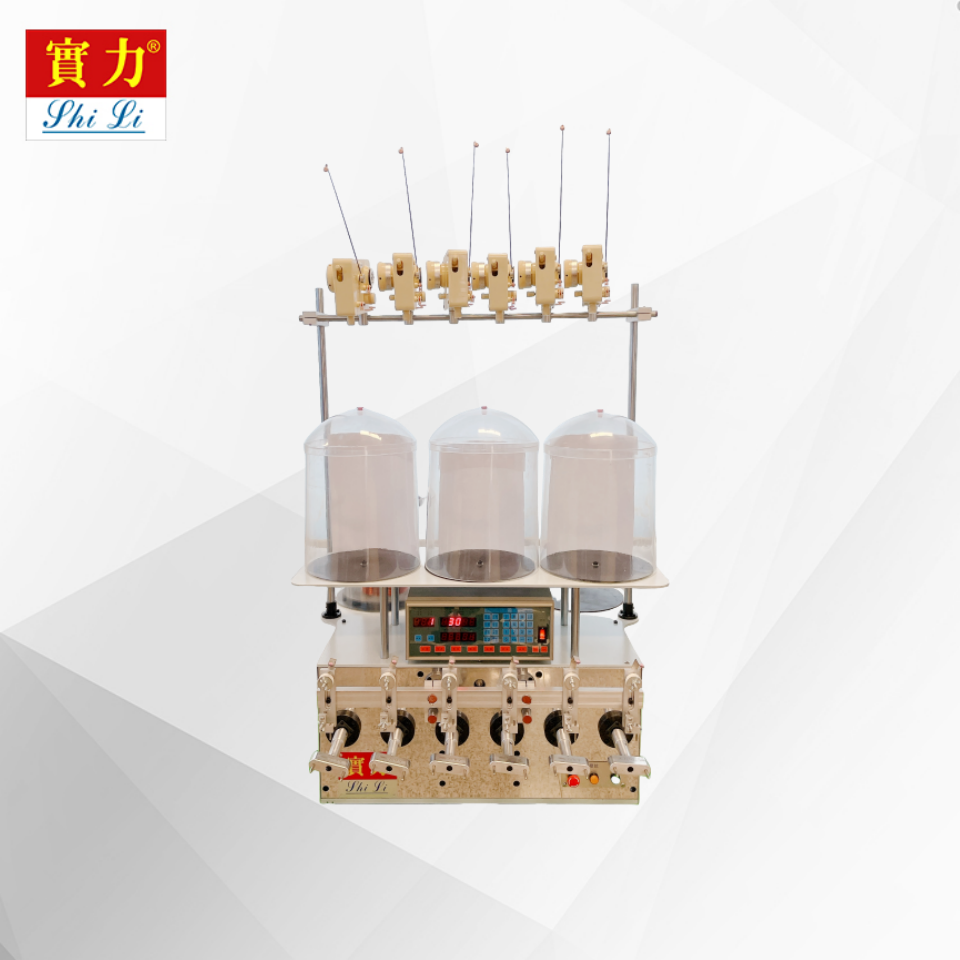
A coil winding machine for transformers represents a sophisticated piece of industrial equipment designed to automate the precise winding of copper or aluminum wire around transformer cores. This specialized machinery serves as the backbone of transformer manufacturing, ensuring consistent quality and efficiency in electrical component production. The primary function of a coil winding machine for transformers involves creating primary and secondary windings with exact specifications, maintaining proper tension control, and achieving uniform layer distribution. These machines incorporate advanced servo motor systems that provide precise speed control and positioning accuracy, enabling manufacturers to produce transformers with optimal electrical characteristics. The technological features of modern coil winding machines for transformers include programmable logic controllers that store multiple winding patterns, automatic wire tensioning systems that prevent breakage during operation, and digital counting mechanisms that ensure accurate turn counts. Many units feature variable speed drives that allow operators to adjust winding speeds based on wire gauge and core dimensions. The machines often incorporate wire guiding systems that maintain consistent spacing between turns and layers, preventing short circuits and ensuring proper insulation. Temperature monitoring systems protect against overheating during extended operation cycles. Applications for coil winding machines for transformers span across various industries including power distribution, electronics manufacturing, automotive systems, and renewable energy sectors. These machines produce distribution transformers, power transformers, instrument transformers, and specialty transformers used in medical equipment and aerospace applications. The versatility of modern coil winding machines for transformers allows manufacturers to handle different core shapes, wire gauges, and winding configurations, making them essential for both high-volume production and custom transformer manufacturing. Quality control features ensure consistent electrical properties and mechanical integrity across production runs.

New Product Releases

The coil winding machine for transformers delivers significant cost savings through automated production processes that reduce labor requirements and minimize material waste. These machines eliminate human error in turn counting and wire placement, resulting in consistent product quality that reduces rejection rates and rework costs. Manufacturers benefit from increased production speeds, with modern coil winding machines for transformers capable of completing complex windings in a fraction of the time required for manual operations. The precise tension control systems prevent wire breakage, reducing material consumption and downtime associated with restarting interrupted winding processes. Investment in a coil winding machine for transformers improves workplace safety by removing operators from repetitive motion tasks that can cause strain injuries. The automated systems reduce exposure to sharp wire ends and eliminate the need for workers to handle heavy transformer cores manually. Safety interlocks and emergency stop functions protect operators from mechanical hazards during machine operation. Quality improvements represent another major advantage of coil winding machines for transformers. The consistent winding patterns and uniform tension distribution result in transformers with predictable electrical characteristics and improved reliability. Digital control systems maintain exact specifications across production runs, ensuring that each transformer meets design requirements. The machines produce tighter windings with better mechanical stability, reducing the risk of winding displacement during transport or installation. Flexibility in production scheduling becomes possible with programmable coil winding machines for transformers. Operators can quickly switch between different winding programs, accommodating various transformer designs without extensive setup changes. This adaptability supports both large-scale production and custom orders, allowing manufacturers to respond effectively to market demands. The machines support lean manufacturing principles by reducing work-in-progress inventory and enabling just-in-time production strategies. Maintenance costs remain low due to robust construction and reliable component selection in quality coil winding machines for transformers. Preventive maintenance schedules help maximize uptime and extend equipment life, providing excellent return on investment for transformer manufacturers.

Latest News

Solve Solenoid Valve Coil Production Pain Points for India | Easy Operation Guide

05

Feb

Solve Solenoid Valve Coil Production Pain Points for India | Easy Operation Guide

View More
Bangladesh Client Raves: Efficiency + Stable Quality

05

Feb

Bangladesh Client Raves: Efficiency + Stable Quality

View More
Turkey Full Container Shipment: Rave Reviews & Repeat Orders

05

Feb

Turkey Full Container Shipment: Rave Reviews & Repeat Orders

View More

Get a Free Quote

Our representative will contact you soon.
Email
Name
Company Name
Message
0/1000

coil winding machine for transformers

Advanced Precision Control Technology

Advanced Precision Control Technology

The precision control technology integrated into modern coil winding machines for transformers represents a revolutionary advancement in manufacturing accuracy and consistency. These sophisticated systems employ high-resolution servo motors coupled with precision encoders that deliver positioning accuracy within micrometers, ensuring that each wire turn is placed exactly where specified in the design parameters. The advanced control algorithms continuously monitor and adjust winding speed, tension, and positioning throughout the entire production cycle, compensating for variables such as wire elasticity, temperature changes, and core variations. This level of precision directly translates into superior transformer performance, as consistent winding geometry ensures optimal magnetic coupling and minimal losses. The programmable logic controllers featured in these coil winding machines for transformers store hundreds of different winding patterns, allowing manufacturers to switch between product lines with minimal setup time. Operators can fine-tune parameters such as wire tension, traversing speed, and layer transitions through intuitive touchscreen interfaces, making adjustments in real-time based on material properties or environmental conditions. The precision control technology also includes automatic wire break detection systems that immediately halt operation when discontinuities occur, preventing damage to partially completed windings and reducing material waste. Advanced tension monitoring systems maintain consistent wire stress throughout the winding process, preventing loose turns that could compromise electrical performance or create mechanical instabilities. The integration of feedback control loops ensures that the coil winding machine for transformers maintains specified parameters even as conditions change during extended production runs. Quality assurance features include real-time monitoring of turn counts, layer heights, and winding density, with automatic alerts when parameters drift outside acceptable tolerances. This technological sophistication enables manufacturers to achieve Six Sigma quality levels in their transformer production, significantly reducing defect rates and improving customer satisfaction while maintaining competitive production costs.
Versatile Multi-Configuration Capability

Versatile Multi-Configuration Capability

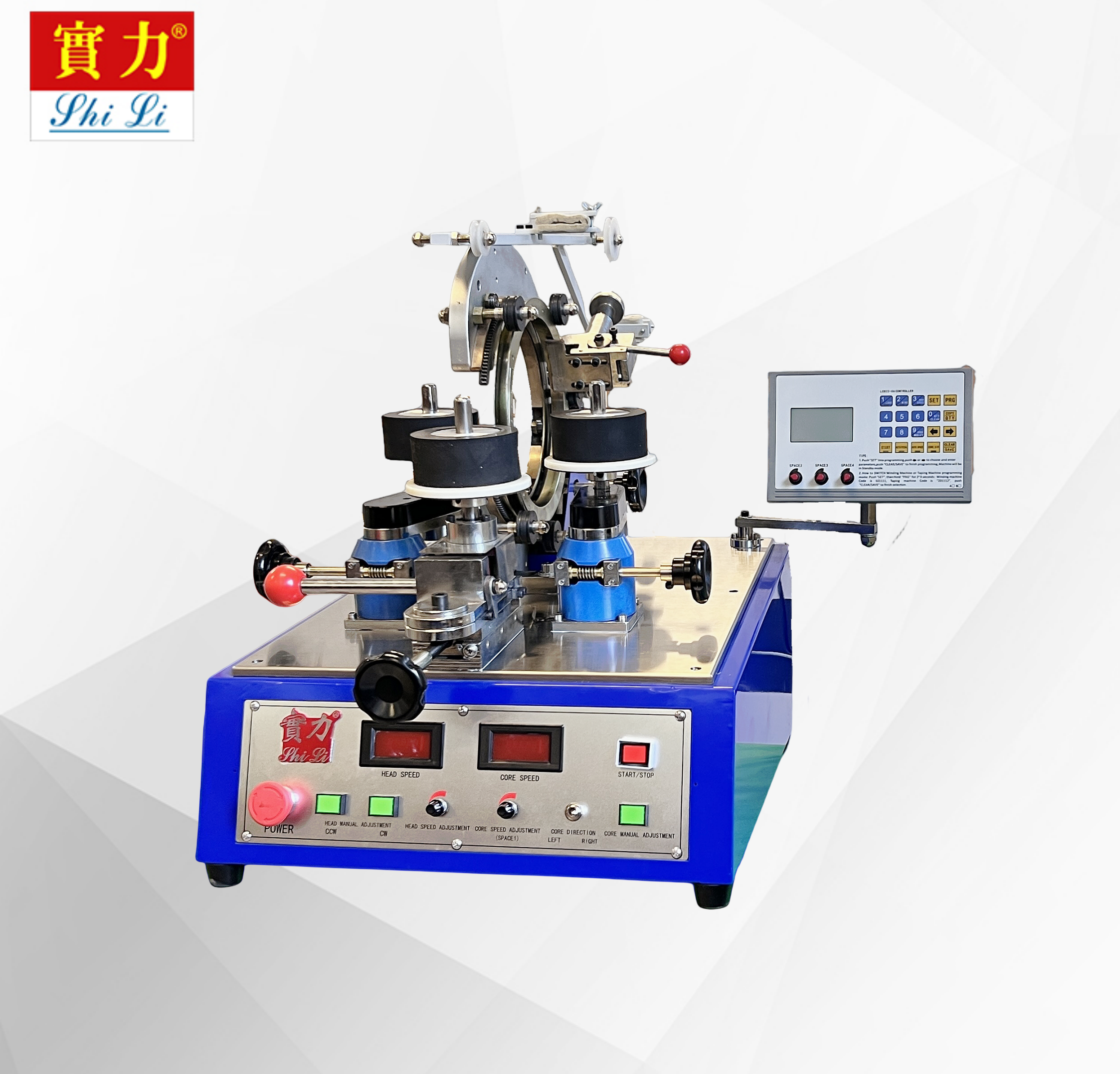
The versatile multi-configuration capability of modern coil winding machines for transformers enables manufacturers to produce a wide range of transformer types using a single platform, maximizing equipment utilization and return on investment. This adaptability stems from modular design approaches that allow quick reconfiguration of winding heads, core holding fixtures, and wire guidance systems to accommodate different transformer geometries and specifications. The machines support various core shapes including toroidal, EI laminations, pot cores, and custom configurations, making them suitable for applications ranging from small signal transformers to large power distribution units. Wire handling capabilities span from fine gauge magnet wire used in precision instruments to heavy conductors required for high-current applications. The coil winding machine for transformers incorporates adjustable tensioning systems that automatically compensate for different wire materials and gauges, ensuring optimal winding quality regardless of conductor specifications. Programmable wire laying patterns enable the production of complex winding arrangements including multiple taps, interleaved layers, and sectional windings required for specialized transformer applications. The multi-configuration capability extends to insulation handling, with integrated systems for applying tape insulation, inserting barriers, and managing lead wire positioning during the winding process. This comprehensive approach reduces the need for secondary operations and improves overall production efficiency. Changeover procedures between different transformer configurations have been streamlined through quick-release mechanisms and automated setup sequences that minimize downtime between production runs. The coil winding machine for transformers stores configuration data for each product type, enabling rapid recall of optimal settings when switching between orders. This capability proves particularly valuable for manufacturers serving diverse markets with varying transformer requirements, from automotive applications requiring compact designs to industrial installations demanding high power handling capacity. The versatility also supports prototype development and small-batch production, allowing engineers to test new designs without committing to specialized tooling. Advanced coil winding machines for transformers include simulation capabilities that validate new winding programs before production begins, reducing development time and ensuring first-run success rates.
Enhanced Production Efficiency and Throughput

Enhanced Production Efficiency and Throughput

Enhanced production efficiency and throughput capabilities of advanced coil winding machines for transformers deliver measurable improvements in manufacturing output while maintaining consistent quality standards. These machines achieve production rates significantly higher than manual winding methods through optimized motion profiles and reduced cycle times between operations. The automated systems eliminate non-productive activities such as manual wire handling, turn counting, and layer positioning, allowing continuous operation throughout the production shift. High-speed traversing mechanisms move wire guides rapidly between positions while maintaining precise placement accuracy, minimizing the time required for complex winding patterns. The coil winding machine for transformers incorporates rapid acceleration and deceleration capabilities that reduce overall cycle times without compromising winding quality or creating excessive wire stress. Intelligent scheduling algorithms optimize the sequence of operations within each winding cycle, overlapping activities where possible to maximize productive time. Automated wire feeding systems maintain consistent supply pressure and eliminate delays associated with manual wire threading or tension adjustments. The enhanced efficiency extends to material utilization through precise wire length calculations and optimized cutting sequences that minimize waste. Advanced coil winding machines for transformers include predictive maintenance systems that monitor component wear and schedule service activities during planned downtime, preventing unexpected failures that could interrupt production schedules. Real-time production monitoring provides operators with immediate feedback on throughput rates, quality metrics, and equipment performance, enabling rapid response to process variations. The machines support continuous improvement initiatives through data logging capabilities that identify optimization opportunities and track performance trends over time. Energy efficiency features reduce operational costs while supporting environmental sustainability goals, with power-saving modes that automatically reduce consumption during idle periods. Integration capabilities allow the coil winding machine for transformers to communicate with enterprise resource planning systems, providing real-time production data for scheduling and inventory management. The combination of increased speed, reduced downtime, and improved material utilization results in substantially lower per-unit production costs, enhancing competitive positioning in the transformer market while supporting profitable growth strategies for manufacturing operations.

Get a Free Quote

Our representative will contact you soon.
Email
Name
Company Name
Message
0/1000
Newsletter
Please Leave A Message With Us