handbedryfde windmasjien
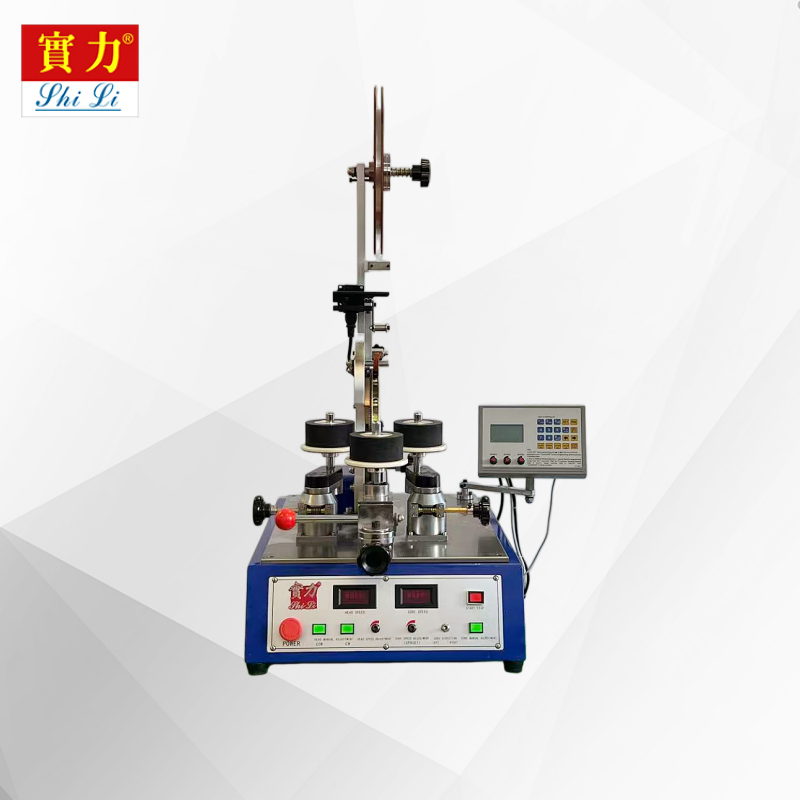
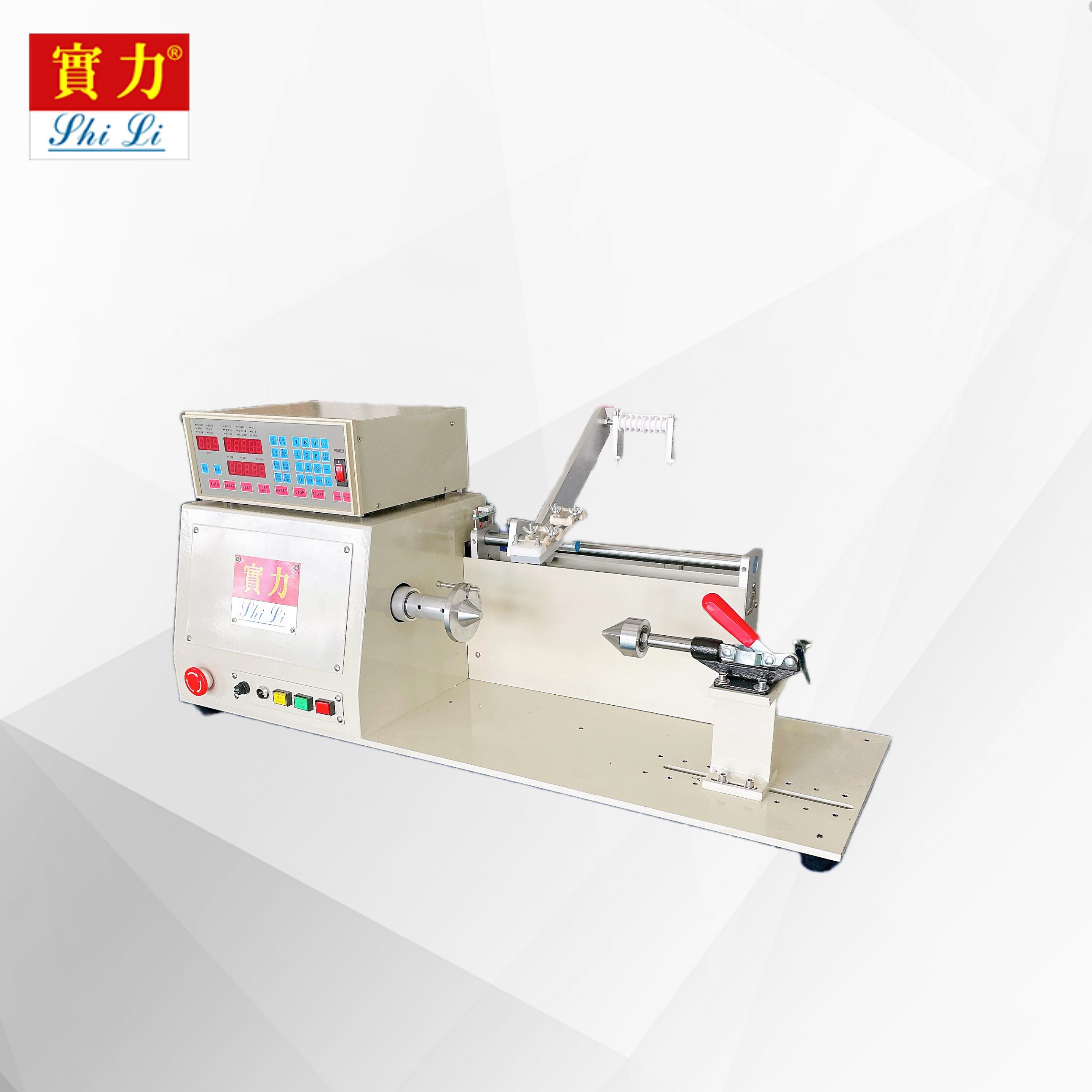
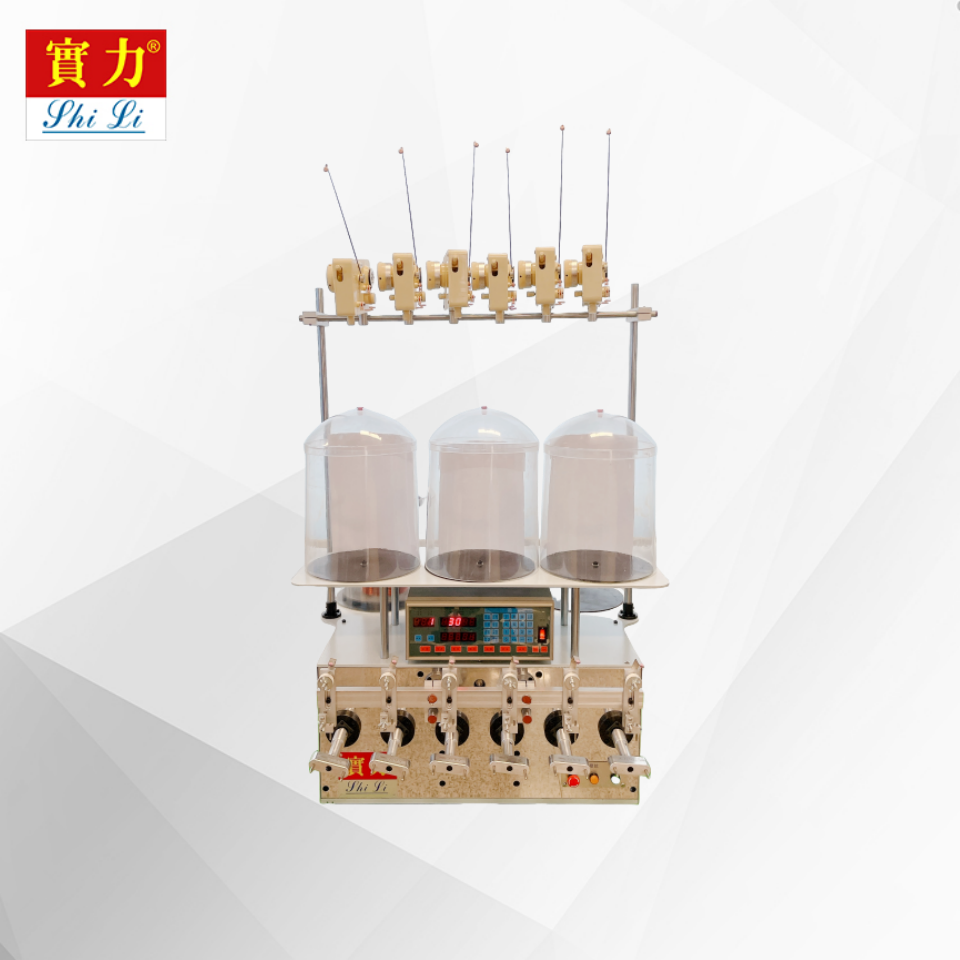
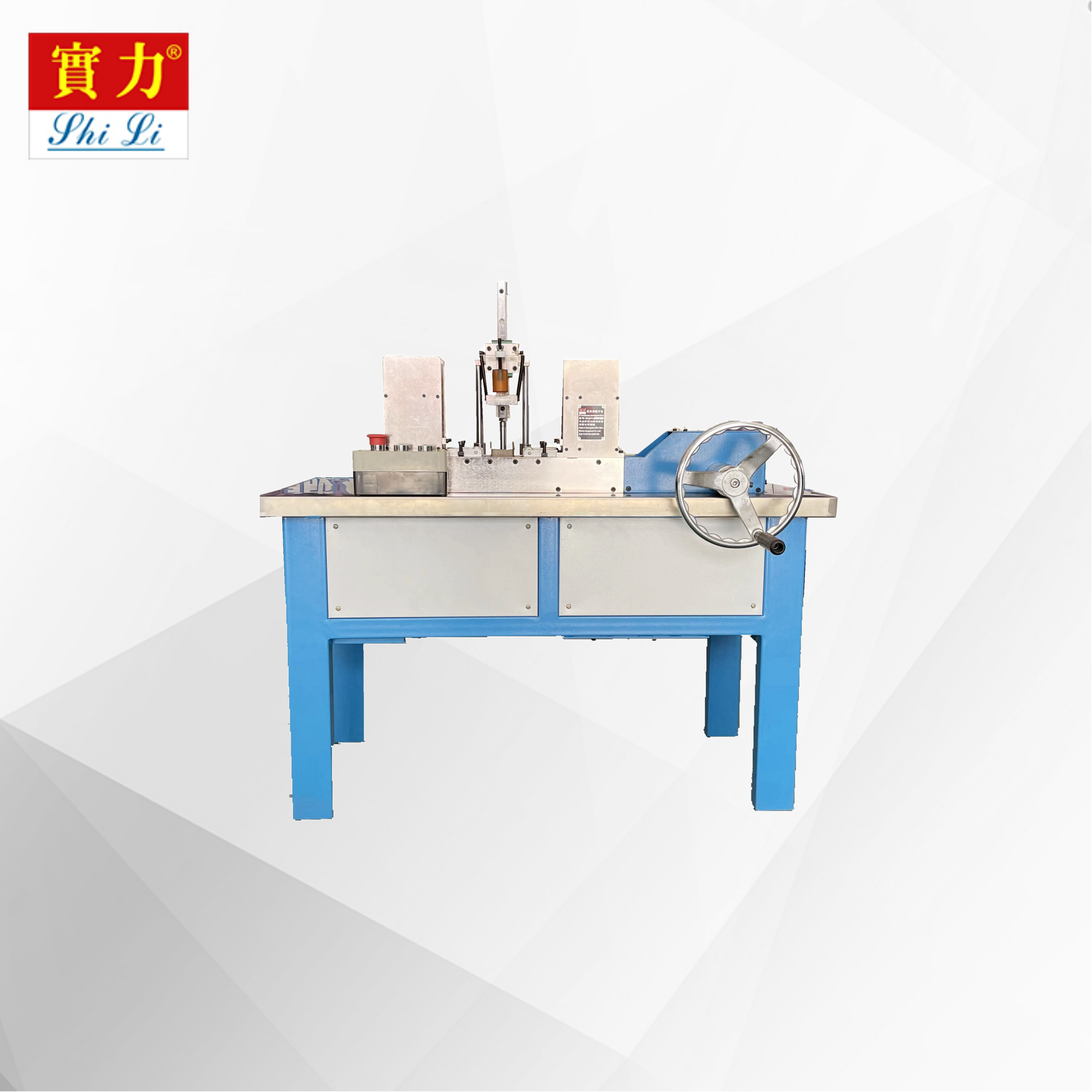
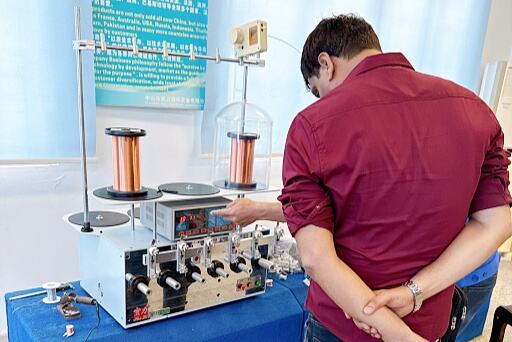
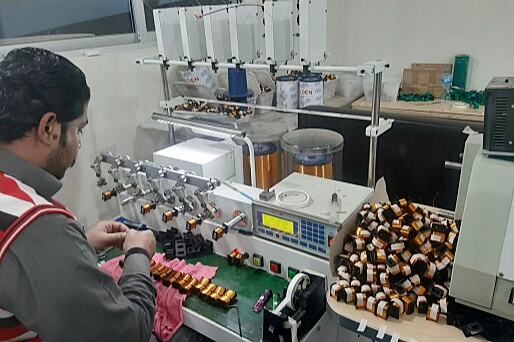
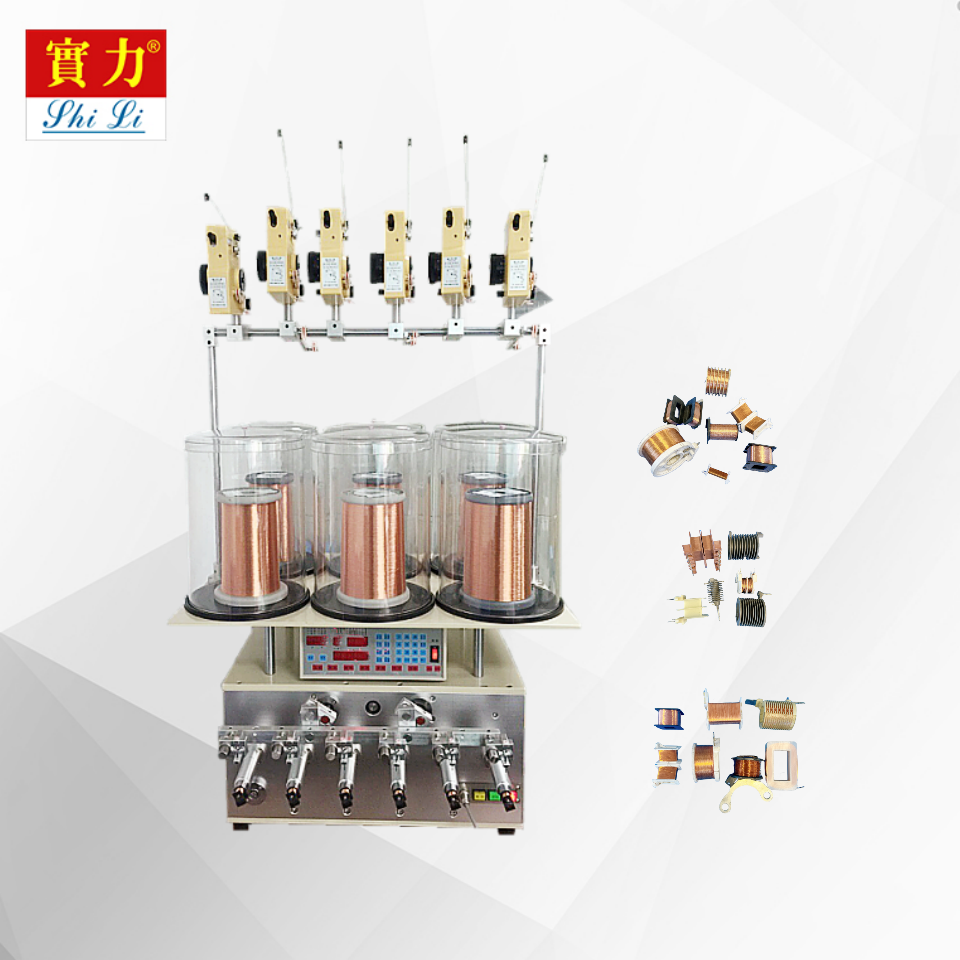
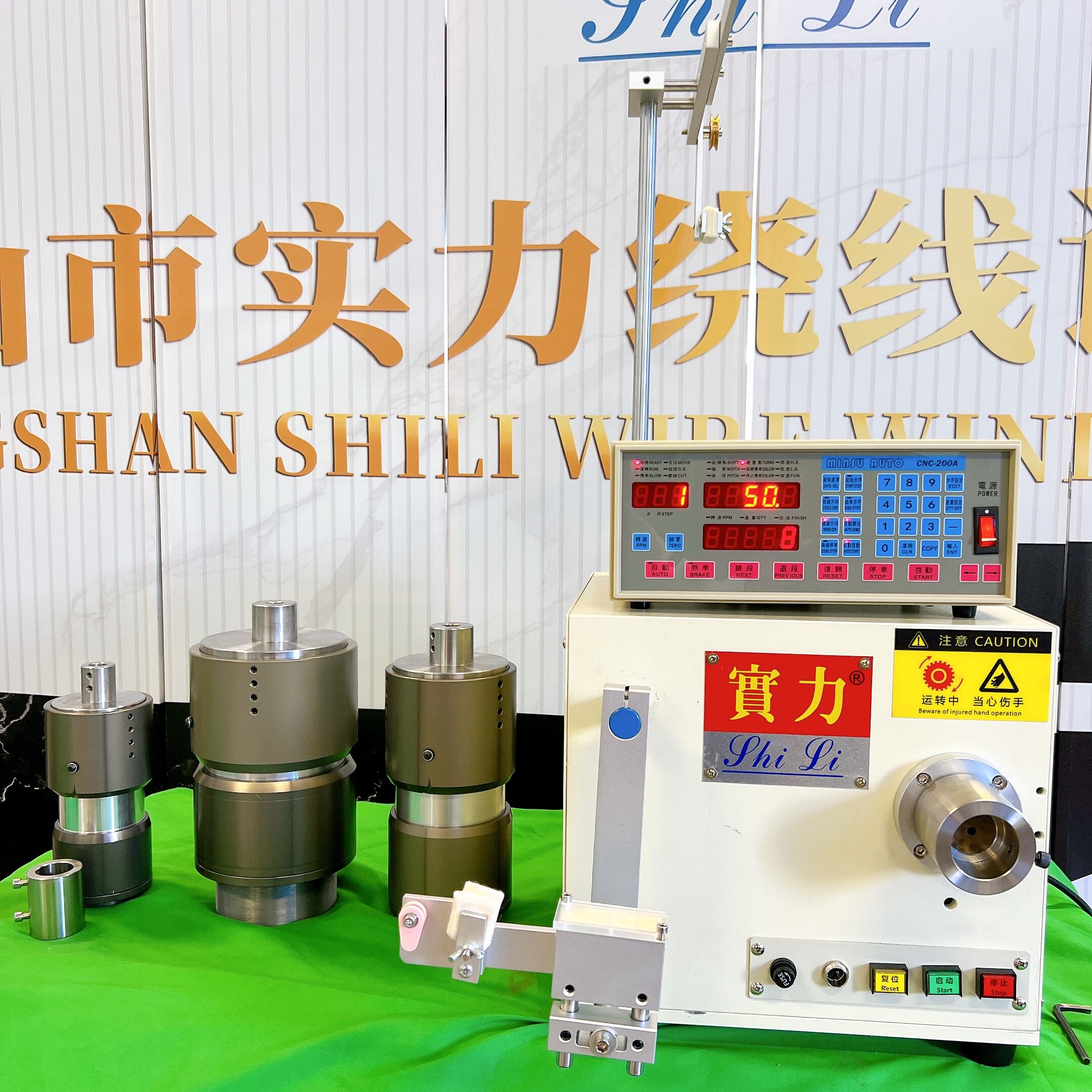
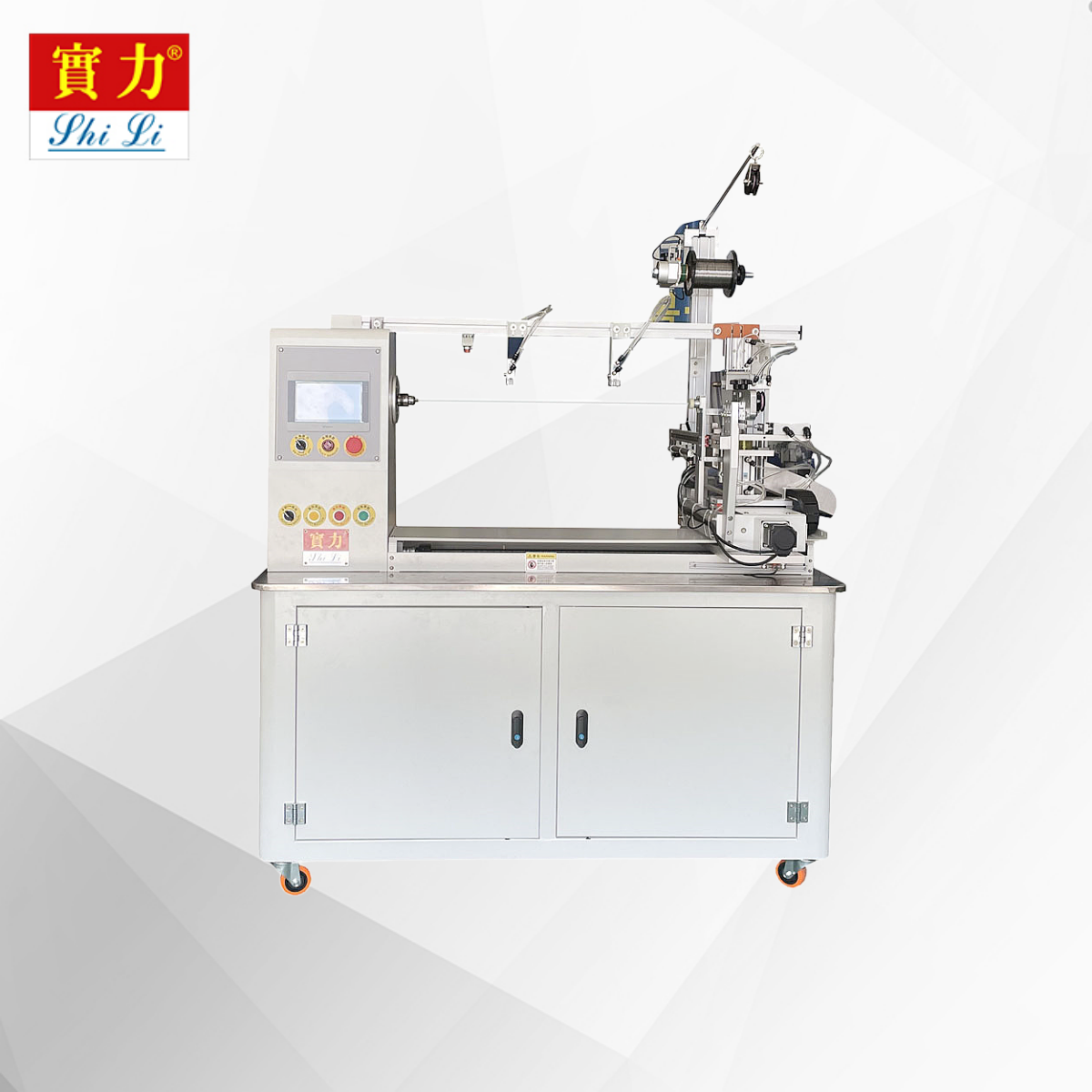
Die handbedryfde windmasjien verteenwoordig 'n fundamentele stuk toerusting in die tekstiel- en draadvervaardigingsindustrieë, ontwerp om verskeie materiale doeltreffend op spoel, klosse of rolle te wind deur middel van handbedryf. Hierdie veelsoortige toestel dien as 'n noodsaaklike hulpmiddel vir die skep van georganiseerde, eenvormige windings van draad, gare, draad, kabel en ander buigsame materiale. Die handbedryfde windmasjien werk deur 'n eenvoudige meganiese stelsel wat bediener toe laat om die windproses met presisie en konsekwentheid te beheer. By sy kern beskik die masjien oor 'n roterende spil-meganisme wat die spoel of klos vasvat, terwyl 'n spanningstelsel behoorlike materiaalplasing tydens die windoperasie verseker. Die toestel sluit gewoonlik verstellbare rigters in wat die materiaal na die teikenoppervlak lei in 'n eenvormige verspreidingspatroon. Die meeste handbedryfde windmasjiene sluit 'n ratstelsel in wat meganiese voordeel bied, wat die fisieke poging wat van bediener vereis word verminder, terwyl dit gladde, beheerde rotasie behou. Die konstruksie behels gewoonlik duursame metaalkomponente wat ontwerp is om herhaalde gebruik in industriële omgewings te weerstaan. Belangrike tegnologiese eienskappe sluit in veranderlike spoedbeheer deur ratverhoudings, verstellbare spanningmeganismes vir verskillende materiaaltipes, en uitruilbare spiladaptere om verskillende spoelgroottes te akkommodeer. Baie modelle beskik oor tellermeganismes wat die aantal omwentelings of die gewinde materiaallengte byhou, wat presiese metings vir gehaltebeheeldoeleindes moontlik maak. Die winddwarsbewegingsmeganisme verseker eenvormige verspreiding oor die spoelwydte en voorkom dat materiaal op spesifieke areas opbou. Veiligheidsfunksies sluit dikwels beskermende skerms en noodgevalstoppe in om bediener tydens bedryf te beskerm. Toepassings strek oor talle industrieë, insluitend tekstielvervaardiging, elektriese draadverwerking, tou- en touwerkproduksie, en spesialiteitsmateriaalhantering. In tekstielaanlegte verwerk die handbedryfde windmasjien katoen, sied, sintetiese vesels en gemengde materiale op klosse vir daaropvolgende weef- of breioperasies. Elektroniekvervaardigers gebruik hierdie masjiene vir die winding van koperdraad, optiese vesels en spesialiteitskabels op rolle vir berging en vervoer. Die toerusting bly onskatbaar in navorsings- en ontwikkelingsomgewings waar klein partye noukeurige hantering en presiese beheer vereis wat outomatiese stelsels nie kan voorsien nie.
 ×
×
 EN
EN